Gaming
Gaming hardware carries the most aggressive marketing in consumer tech, and the widest gap between a benchmark number and how a setup actually feels to use.
- 10 guides
- 2 head-to-heads
- 45 products priced
Every Gaming guide
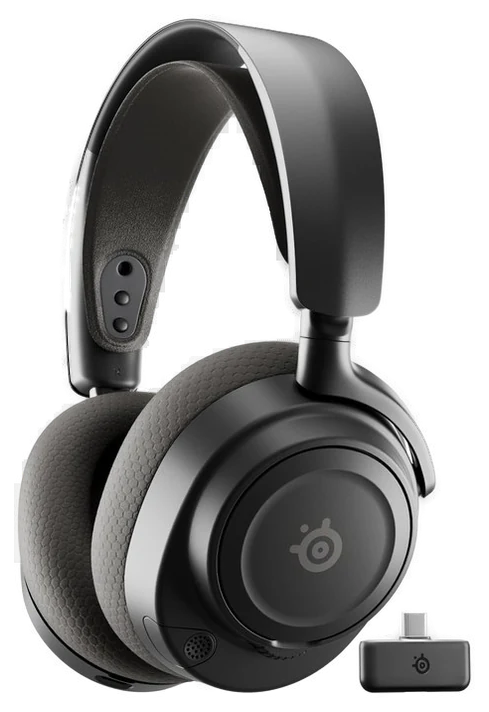
Headsets & Audio
1 guide · 1 head-to-head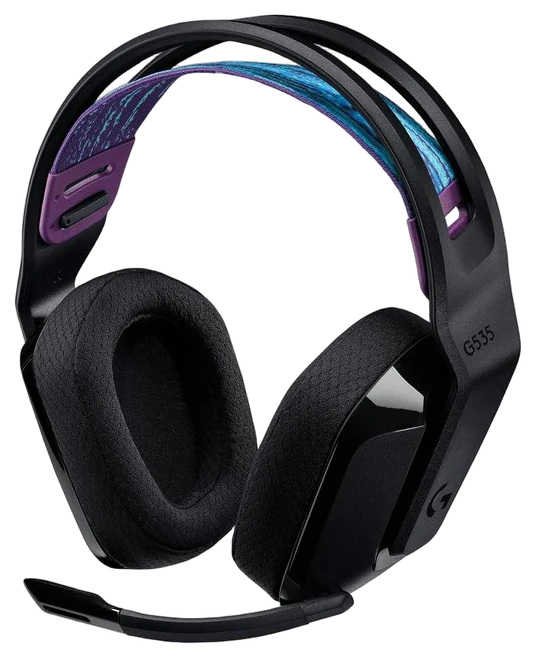
Gaming Gear
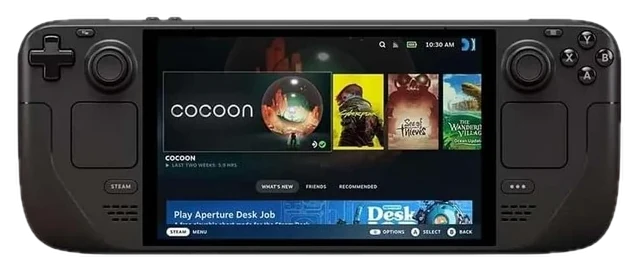
4 guides- Gaming HandheldsSteam deck, windows and mobileNo. 1 Steam Deck OLED~$790–9505 picks
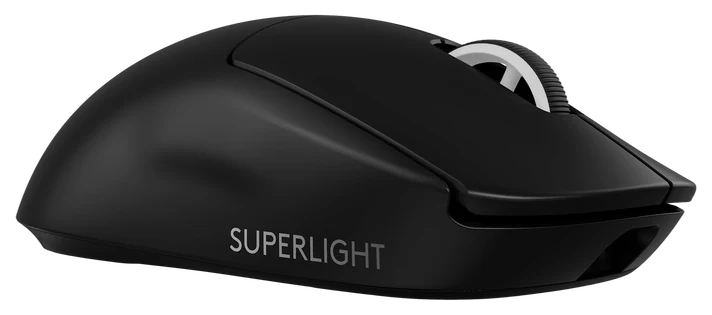
- Gaming Mice and KeyboardsWhat pros use vs. what you needNo. 1 Logitech G Pro X Superlight 2~$130–1605 picks
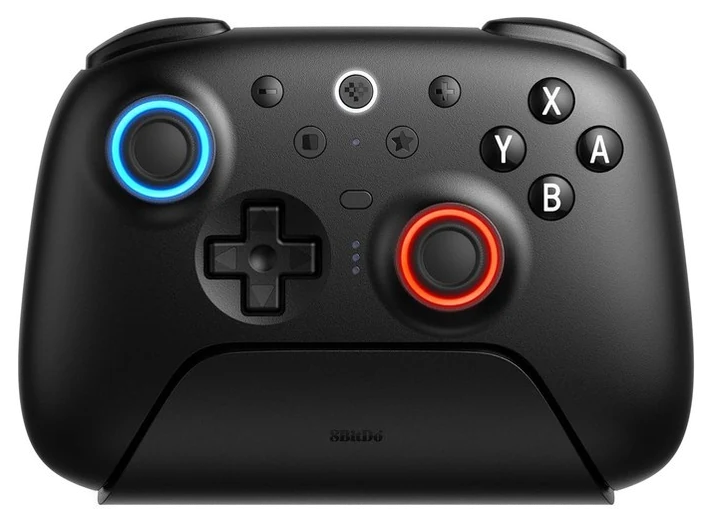
- Game Controllers of 2026, From Budget Spares to Pro-grade PadsFrom budget spares to pro-grade padsNo. 1 8BitDo Ultimate 2~$45–605 picks
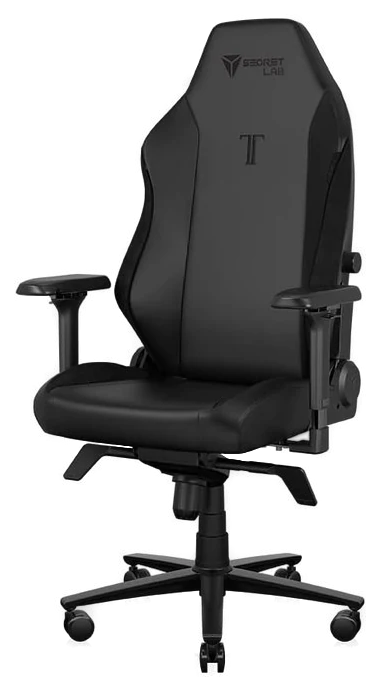
- Gaming ChairsRacing style against true ergonomicsNo. 1 Secretlab Titan Evo~$520–6705 picks
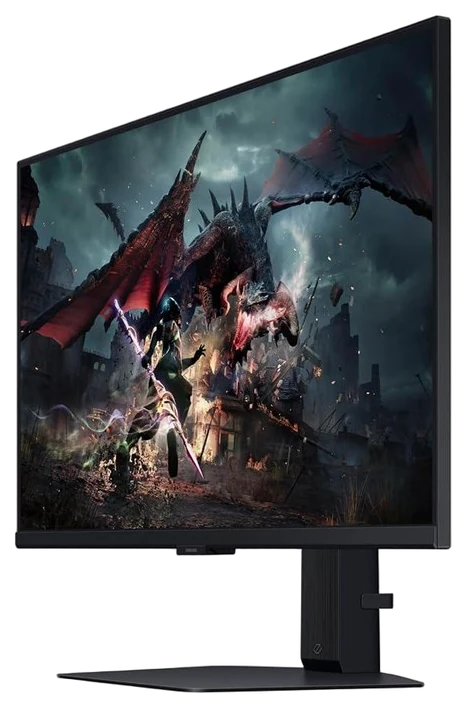
Gaming Monitors
1 guide · 1 head-to-head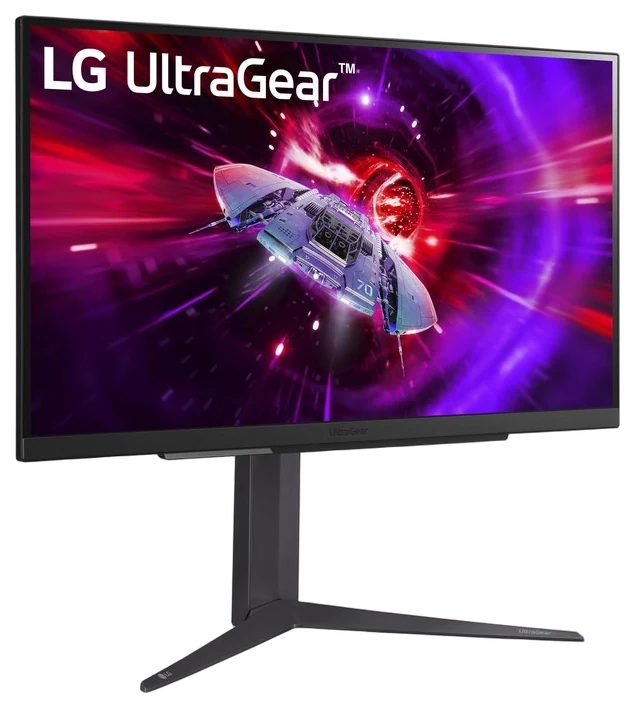
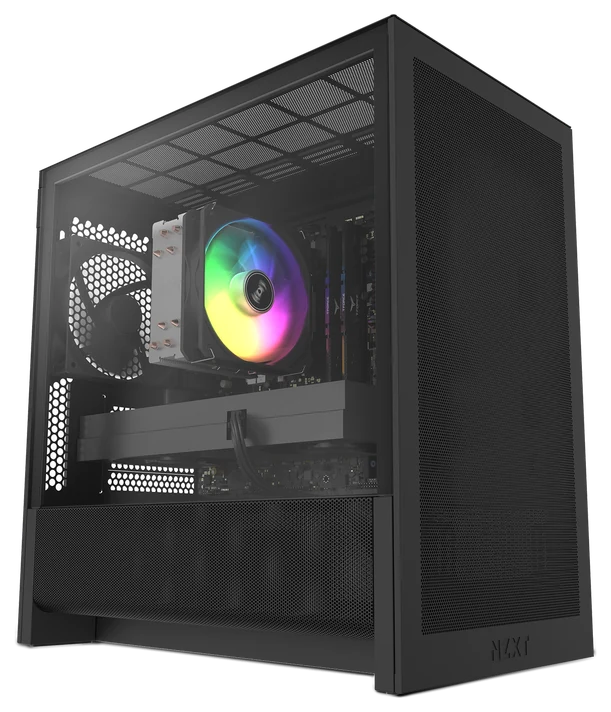
Gaming PCs
2 guides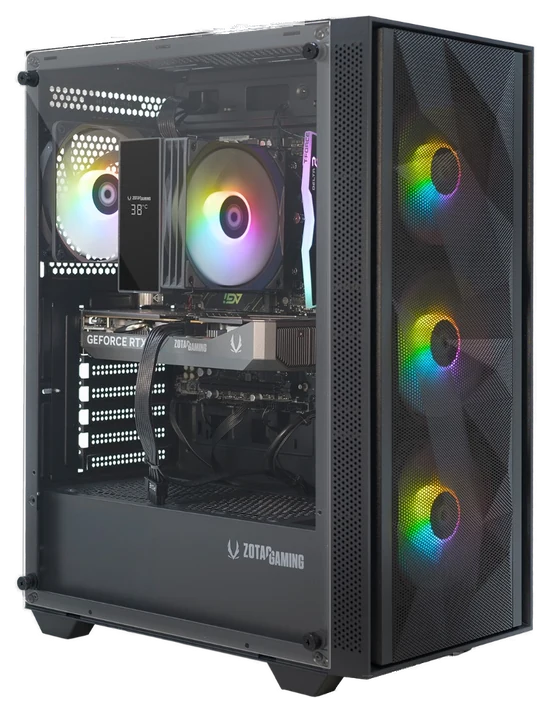
More Gaming
2 guides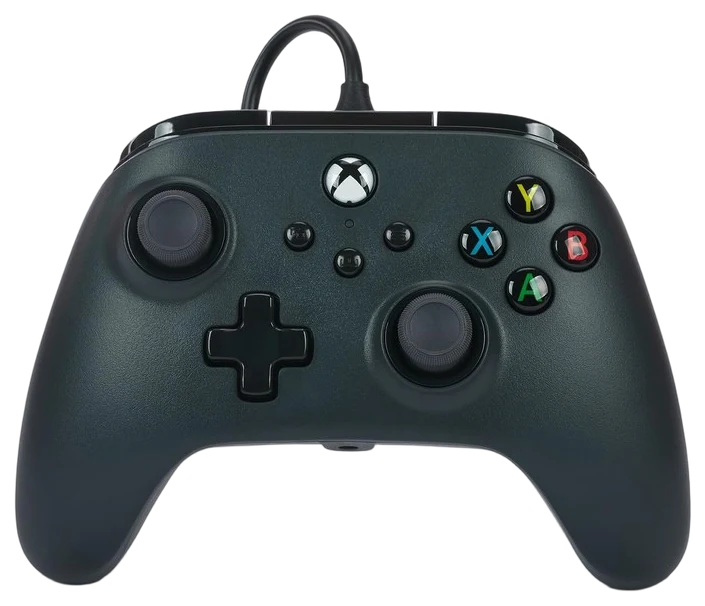

No guide here matches that yet. Search all 147 guides
One No. 1 from every corner.
The top pick from each part of Gaming.
- Logitech G535No. 1, Gaming Headsets · ~$100–120
- Steam Deck OLEDNo. 1, Gaming Handhelds · ~$790–950
- LG UltraGear 27″ QHDNo. 1, Gaming Monitors · ~$300–450 by model
- ZOTAC MEK 5050No. 1, Gaming PC Under $1,000, and the Spec Traps to Avoid · ~$880–1,000
- PowerA controllerNo. 1, Gifts for Gamers, From $25 to $950 · ~$25–40
About this department
These guides cover gaming PCs, monitors, chairs and desks, headsets, controllers, keyboards and mice, with the spec traps flagged rather than glossed over.
What varies. The balance of the build, not the size of any single number. A prebuilt PC is decided by whether the power supply and cooling match the graphics card, which is exactly where cheap builds cut costs invisibly. With monitors, panel type and real response time matter more than the advertised refresh rate, and 1440p at a high refresh is still the sweet spot for most people. Headsets come down to comfort over a three-hour session and to microphone quality, which is what everyone else in the party hears.
What to budget. A capable 1080p to 1440p gaming PC lands at $800–1,200. Spending past $2,000 buys frame rates most monitors cannot display. Monitors give the most for the money at $250–400. Headsets plateau around $100–150. Peripherals are personal enough that the expensive option is often simply the wrong shape for your hand.
The mistakes that cost most. Buying a graphics card the rest of the machine cannot feed, the defining flaw of budget prebuilts. Pairing a high-refresh claim with a panel that smears in dark scenes. Buying a gaming chair on looks when the same money buys an ergonomic office chair you will still be using in ten years.
These are research-led compilations built from published specifications, independent benchmarks and long-term owner reports. We do not test products ourselves, and each guide says who should skip the pick.
Where to next
Browse another department.
- Gifts88 products · 22 guides
- Home & Kitchen55 products · 22 guides
- Health & Wellness81 products · 19 guides
- Electronics40 products · 12 guides
- Clothing & Accessories50 products · 12 guides
- Beauty39 products · 11 guides
- Smart Home43 products · 11 guides
- Baby & Kids34 products · 10 guides
- Office33 products · 9 guides
- Pets30 products · 8 guides
- Sports & Outdoors33 products · 7 guides