Baby & Kids
Baby gear is sold on fear, which makes it the easiest category to overspend in and the most important to get factually right.
- 8 guides
- 2 head-to-heads
- 34 products priced
Every Baby & Kids guide
Kids & Toys
2 guides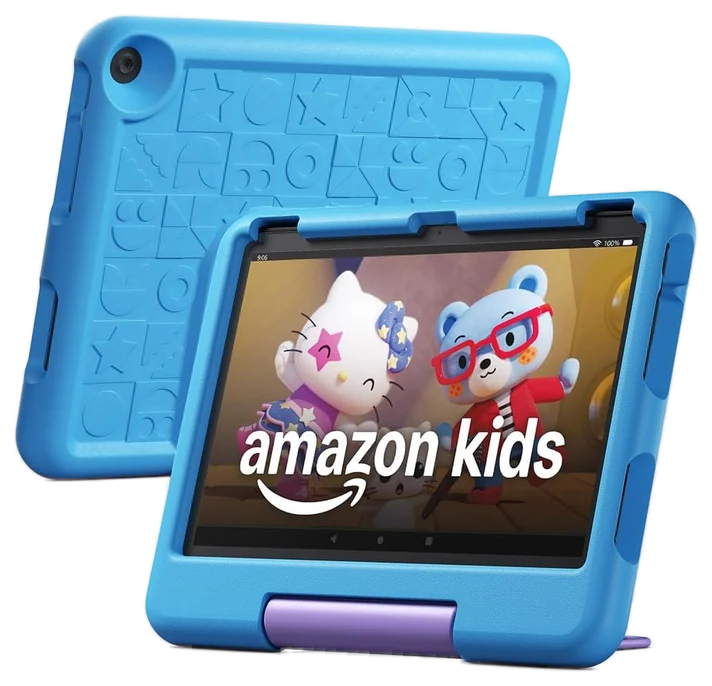
Baby Monitors
1 guide · 1 head-to-head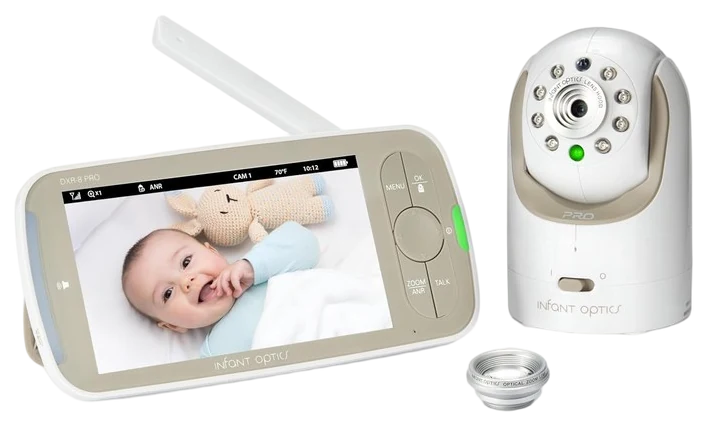
Strollers & Car Seats
1 guide · 1 head-to-headNursery & Feeding
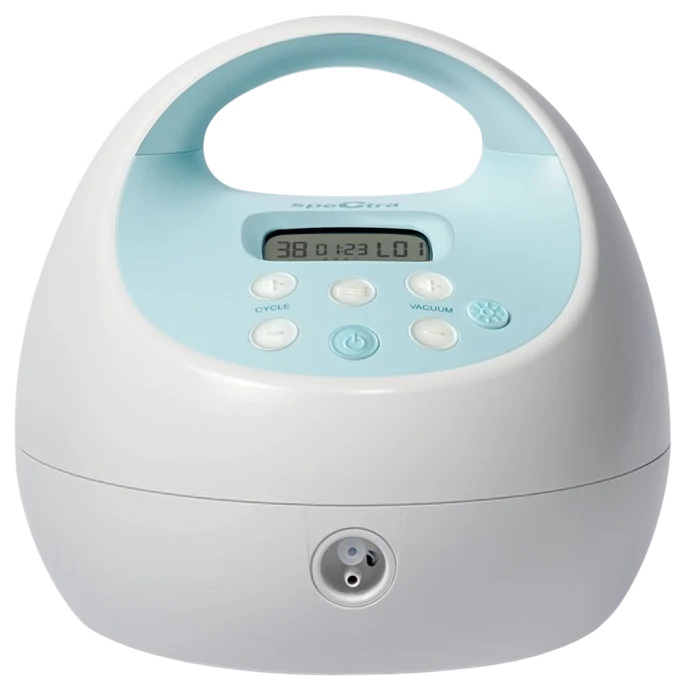
2 guides
More Baby & Kids
2 guidesNo guide here matches that yet. Search all 147 guides
One No. 1 from every corner.
The top pick from each part of Baby & Kids.
About this department
These guides cover car seats, strollers, monitors, feeding equipment, nursery basics and learning toys, with the safety rules stated plainly.
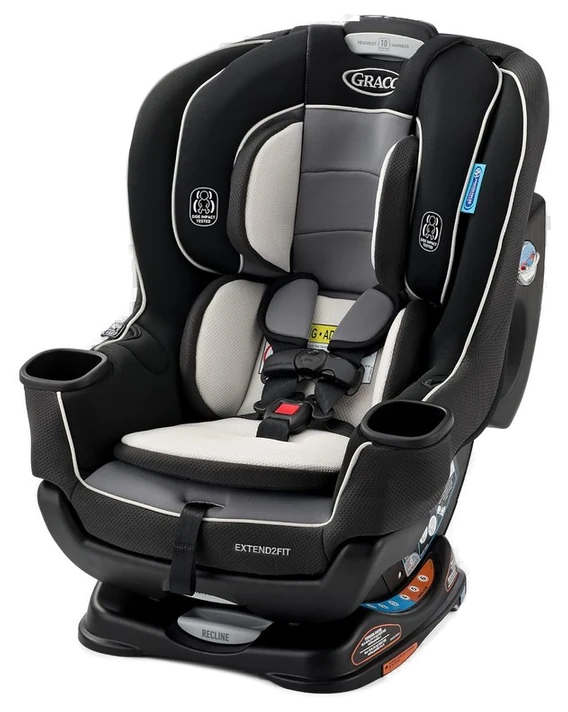
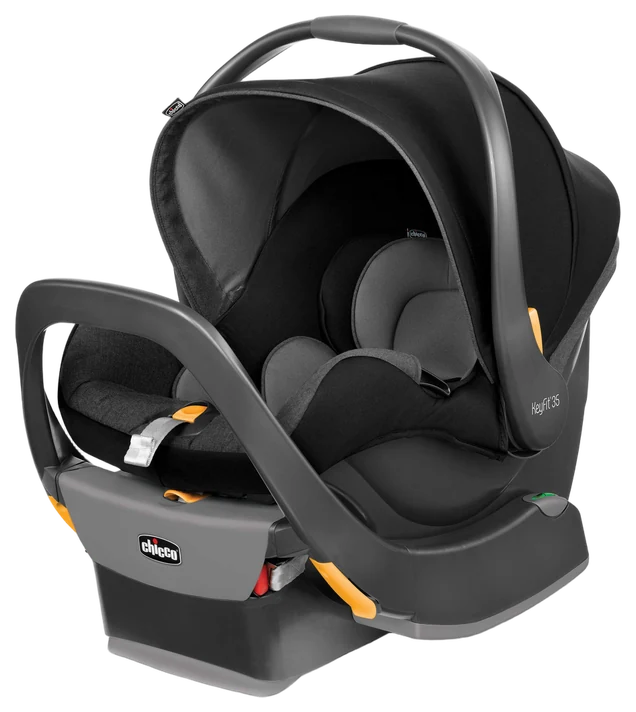
Start with the fact that reframes everything. Every car seat legally sold in the US must pass the same federal crash standard, FMVSS 213. A $400 seat is not permitted to be safer than a $90 one. What more money buys is easier installation, a longer fit range and better fabrics. Easier installation matters, because a correctly fitted budget seat protects better than a misused expensive one.
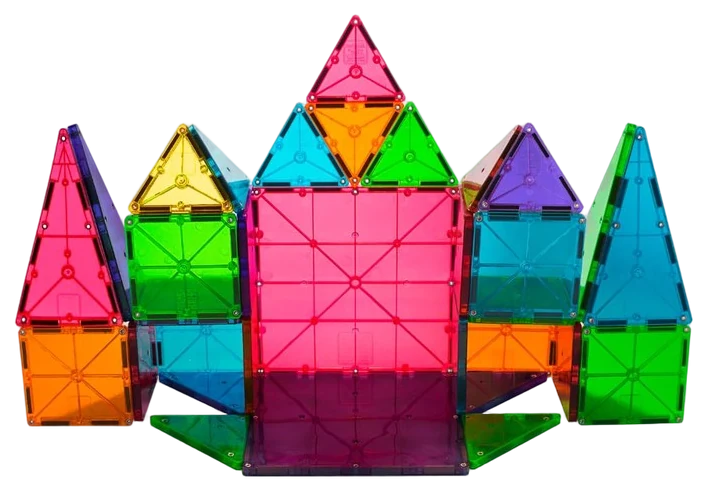
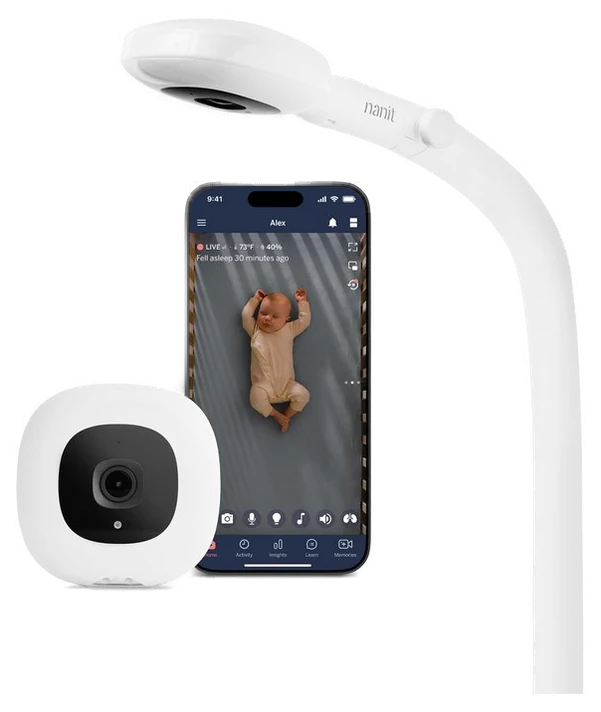
What varies. Strollers are decided by the fold and the wheels, not the fabric. Monitors split into dedicated-radio units and Wi-Fi cameras, a privacy question more than a picture-quality one. Toys come down to open-endedness: a set that becomes fifty things survives years; a toy with one correct outcome lasts days.
What to budget. Spend where longevity is. A convertible seat at $180–250 that rear-faces to 50 pounds can be the only one you buy. A $400–500 stroller that survives three children costs less per year than two cheap ones. Buy bottles one or two at a time until you know which nipple your baby accepts. A full set of the wrong brand is the most common waste here.
Three rules worth repeating. Never buy a used car seat unless you know its full history. Check the expiration date stamped into the plastic. And book a free installation check with a certified technician: around half of seats are fitted with at least one error, and twenty minutes fixes it.
We do not test baby gear. These pages draw on published safety standards, manufacturer specifications and verified buyer reviews.
Where to next
Browse another department.
- Gifts88 products · 22 guides
- Home & Kitchen55 products · 22 guides
- Health & Wellness81 products · 19 guides
- Electronics40 products · 12 guides
- Gaming45 products · 12 guides
- Clothing & Accessories50 products · 12 guides
- Beauty39 products · 11 guides
- Smart Home43 products · 11 guides
- Office33 products · 9 guides
- Pets30 products · 8 guides
- Sports & Outdoors33 products · 7 guides