The Best Strollers and Car Seats:Built for Everyday Use
Every car seat sold in the US meets the same federal crash standard, so the real differences are how easily you install it and how long it fits your child. We compared installation reports, fit ranges, fold mechanics, and owner feedback across years of use.
By the BYB Editorial Team
Published July 29, 2026 · Updated · Prices checked OctoberOct 5, 2026
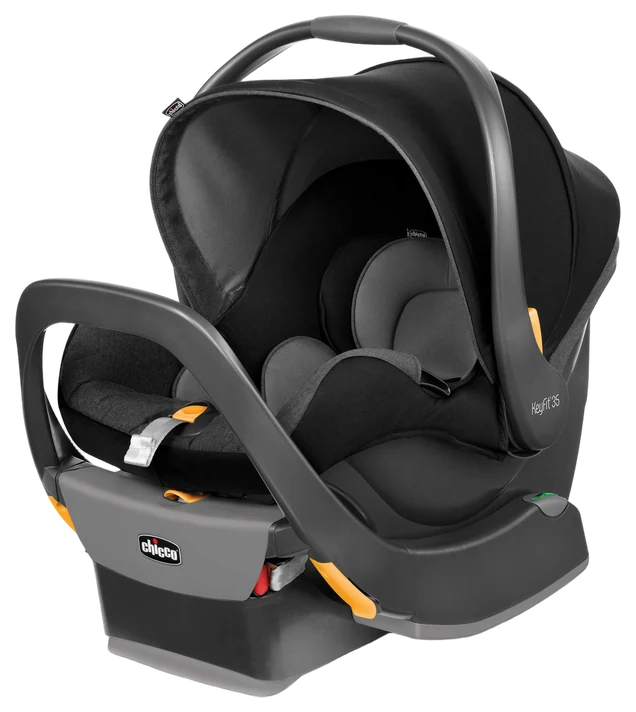
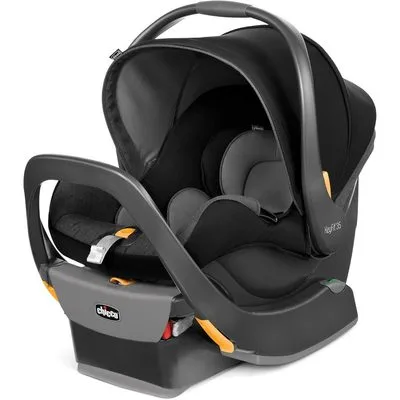
Chicco KeyFit 35 Infant Car Seat$220–280The Chicco KeyFit 35, $220–280 — every car seat sold in the US passes the same federal crash standard, so it’s here for how easily it installs correctly, not for being safer than something cheaper.Check price
Longer rear-facing
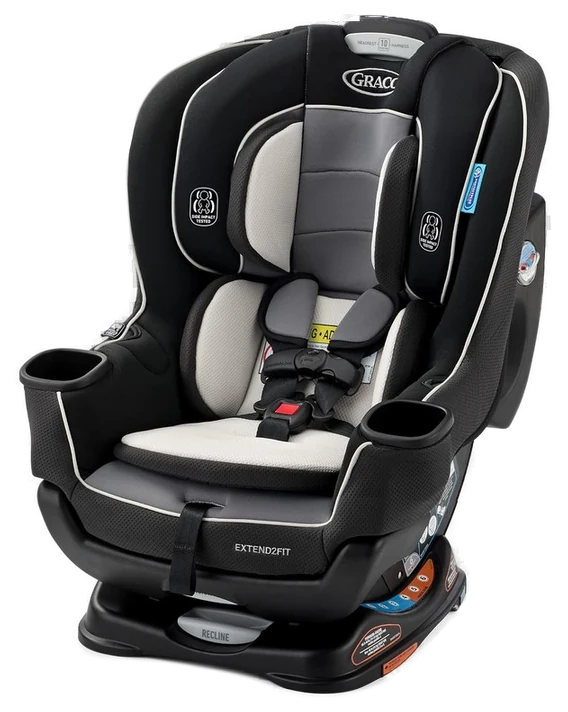
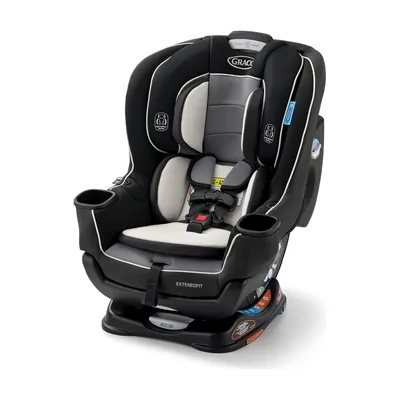
Graco Extend2Fit Convertible Car Seat$180–250The Graco Extend2Fit, $180–250 — the part that measurably matters.Check price
Skip
The UPPAbaby Cruz V3 at about $900 — buys fabrics and a smoother ride, nothing structural.
We compared published height and weight ranges, ease-of-use ratings and installation feedback, fold dimensions and stroller weights, fabric and material disclosures, and multi-year owner reports on wear and resale.How we chose·How we verify·Corrections logged publicly
Every car seat sold in the US meets the same federal crash standard, so the real differences are how easily you install it and how long it fits your child. We compared installation reports, fit ranges, fold mechanics, and owner feedback across years of use.
How we choseWhat we compared, and how we rank
We compared published height and weight ranges, ease-of-use ratings and installation feedback, fold dimensions and stroller weights, fabric and material disclosures, and multi-year owner reports on wear and resale. Prices are always moving, so every button and link pulls the live listing.
How we rank
Published specifications, verified owner reviews, and independent safety or standards data where it applies — weighted the same for every pick, never sponsored placement.
Installation error is the failure mode that matters in car seats, and it is extremely common: NHTSA’s National Child Restraint Use Special Study put the overall misuse rate at 46 percent, and 49 percent for rear-facing infant seats. The Chicco KeyFit 35 has held its reputation for years because its base makes a correct install almost automatic.
A single pull tightens the belt or lower anchors to the right tension, and two bubble levels tell you unambiguously when the recline angle is right for a newborn. Chicco sells the KeyFit 35 direct from its own site now; it isn’t stocked on Amazon.
The practical benefits stack up from there. It fits smaller newborns properly from four pounds, so premature and low-birthweight babies are covered without an insert workaround. The carrier clicks into the base with an audible confirmation, it works with a wide range of stroller frames, and Chicco’s ClearTex fabric versions are made without added flame-retardant chemicals, an increasingly common parent priority.
The limits: this is an infant seat, so most babies outgrow it by height somewhere around their first birthday and you will need the convertible seat below next. The carrier is also on the heavy side once a real baby is in it, and many parents end up carrying it less and using a stroller frame. At $220–280, it is the safest possible use of a first-baby budget.
Strengths
Hard to install incorrectly
Bubble levels confirm the correct recline
Fits from four pounds for small newborns
Wide stroller-frame compatibility
Tradeoffs
Outgrown by most babies around age one
Carrier is heavy when loaded
Base takes up real back-seat space
Pick 2 of 5: No. 2Best convertible
2
Graco Extend2Fit Convertible Car Seat
Best convertible
Keeps a child rear-facing years longer than most seats allow
Get it if you want one seat that lasts and keeps rear-facing longer.
Skip it if you need a portable carrier for a newborn.
Safety authorities are consistent that children should stay rear-facing as long as their seat allows, and the usual thing that ends it early is not weight but legroom, because parents assume bent legs mean the child has outgrown the seat. The Graco Extend2Fit attacks that directly with a four-position extension panel that adds several inches of legroom and a rear-facing limit of 50 pounds.
That range means many families use this as their only car seat from the hospital until a booster. It fits from four pounds with the newborn insert, converts to forward-facing with a harness, and includes a steel-reinforced frame plus a simple belt-lock system that makes installation manageable in most vehicles.
Owners routinely report five or more years of use from one purchase, which changes the price arithmetic entirely. It is a physically large seat, though, so fitting three across in a mid-size car is difficult, and it eats front-passenger legroom when rear-facing behind a tall driver, so measure your back seat before ordering. It is also heavy to move between vehicles. At $180–250, it is the best value in the entire category.
Strengths
Rear-facing to 50 lb with extra legroom
Can be the only seat from birth to booster
Steel-reinforced frame at a mid-range price
Straightforward belt-lock installation
Tradeoffs
Large, so three across is difficult
Heavy to swap between cars
Reduces front-passenger legroom rear-facing
Pick 3 of 5: No. 3Best stroller
3
Baby Jogger City Mini GT3
Best stroller
One hand, one motion, folded, with a baby in the other arm
Get it if you want one stroller that handles everything for years.
Skip it if you need something ultra-light for flights and transit.
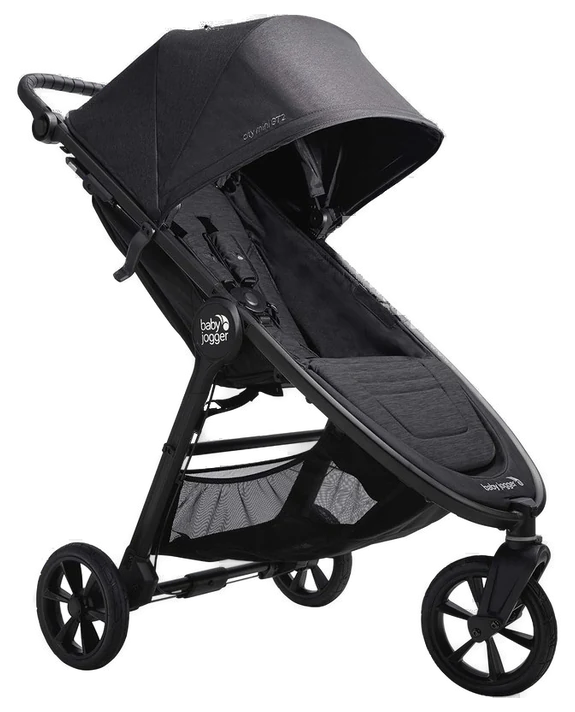
The feature that decides whether a stroller gets used is the fold, because you perform it in a parking lot while holding a child. The Baby Jogger City Mini GT3 still owns this. Lift the strap in the seat and the whole frame collapses in one motion, one-handed, auto-locks, and stands folded rather than falling over. It replaced the GT2, which Baby Jogger has now discontinued, and the changes are small: about a pound lighter at roughly 22 pounds, a magnetic buckle, and a harness that does not need rethreading as the child grows.
Everything else is built around real use rather than showroom appeal. Forever-air rubber tires and all-wheel suspension handle gravel paths, grass and curbs that stop mall strollers dead, the seat reclines nearly flat for naps, and the canopy is large. Check the car-seat question before you buy, because this is where the GT3 narrowed: the included adapters cover Baby Jogger and Graco Click Connect seats, and most Nuna seats need adapters bought separately. The GT2 listed a much wider brand compatibility, so do not assume your seat carries over.
Owners regularly report it surviving two or three children. It is heavier than an umbrella stroller and the folded package is bulky in a small trunk, so city families with compact cars should check dimensions. The storage basket is also smaller than full-size rivals, which a stroller organizer closes. At $479.99, it is the stroller most likely to still be in service years from now.
Strengths
Genuine one-hand fold that stands upright
All-terrain tires and real suspension
Near-flat recline for newborn naps
Accepts most infant car seats with adapters
Tradeoffs
Bulky folded for small car boots
Heavier than umbrella strollers
Storage basket is modest
Also on the shortlist
Two more, in brief
Pick 4 of 5: No. 4Best premium stroller~$900
4
UPPAbaby Cruz V3
Upgrade pickBest premium stroller
The full-size stroller that still fits through a doorway
Get it if the stroller is doing daily work and you want it to be effortless.
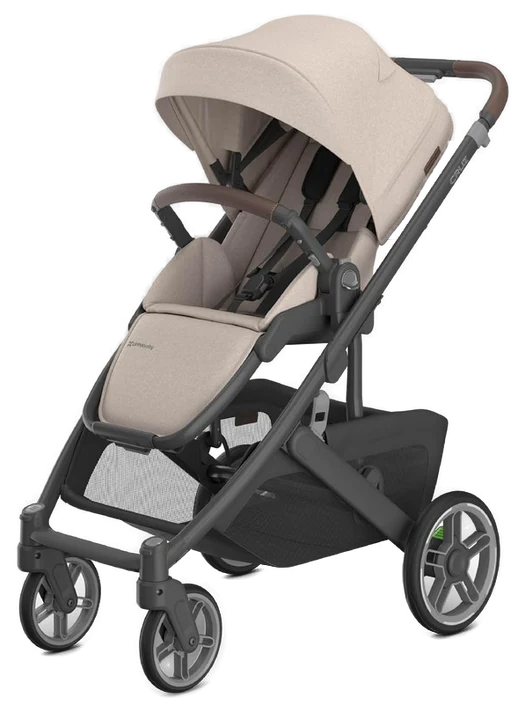
The UPPAbaby Cruz V3 is what people buy when the stroller is doing daily work, meaning school runs, shops and city sidewalks, and they want that work to be pleasant. It steers with one hand, rolls smoothly over pavement joints at 26.5 pounds, and folds in one piece with the seat attached, the footrest and bumper bar tucking in, which is the detail that separates premium strollers from merely expensive ones.
The V3 replaced the V2 and the meaningful change is at the newborn end: the seat now lies flat from birth with the infant insert built in, where the V2 wanted a separate insert or a bassinet.
The basket is the underrated feature. It takes 30 pounds and, unusually, is reachable from the front, back and sides, so a full grocery run goes underneath rather than hanging off the handlebar. The canopy is UPF 50+ and water-repellent with a zip-out vent panel, the seat reverses so a baby can face you, and the one-hand adjustable handlebar means tall and short adults can both push it without knocking their shins.
The price is the objection, and it is a fair one, because this costs more than the stroller above and a car seat combined. It is also a sidewalk stroller rather than a trail one, so rough ground calls for an all-terrain model. Resale values are unusually strong, which softens the blow. At about $900, held steady across retailers because UPPAbaby sets the price, it is a genuine luxury that daily users do not regret.
Strengths
Enormous basket accessible from every side
One-piece fold with the seat attached
Reversible seat and adjustable handlebar
Holds resale value unusually well
Tradeoffs
Expensive
Better on pavement than rough terrain
Heavier than travel strollers
Pick 4 of 5: No. 4Best premium stroller~$900
UPPAbaby Cruz V3
The full-size stroller that still fits through a doorway
Get it if the stroller is doing daily work and you want it to be effortless.
Skip it if you only need a stroller occasionally.
The UPPAbaby Cruz V3 is what people buy when the stroller is doing daily work, meaning school runs, shops and city sidewalks, and they want that work to be pleasant. It steers with one hand, rolls smoothly over pavement joints at 26.5 pounds, and folds in one piece with the seat attached, the footrest and bumper bar tucking in, which is the detail that separates premium strollers from merely expensive ones.
Read the full case
The V3 replaced the V2 and the meaningful change is at the newborn end: the seat now lies flat from birth with the infant insert built in, where the V2 wanted a separate insert or a bassinet.
The basket is the underrated feature. It takes 30 pounds and, unusually, is reachable from the front, back and sides, so a full grocery run goes underneath rather than hanging off the handlebar. The canopy is UPF 50+ and water-repellent with a zip-out vent panel, the seat reverses so a baby can face you, and the one-hand adjustable handlebar means tall and short adults can both push it without knocking their shins.
The price is the objection, and it is a fair one, because this costs more than the stroller above and a car seat combined. It is also a sidewalk stroller rather than a trail one, so rough ground calls for an all-terrain model. Resale values are unusually strong, which softens the blow. At about $900, held steady across retailers because UPPAbaby sets the price, it is a genuine luxury that daily users do not regret.
Strengths
Enormous basket accessible from every side
One-piece fold with the seat attached
Reversible seat and adjustable handlebar
Holds resale value unusually well
Tradeoffs
Expensive
Better on pavement than rough terrain
Heavier than travel strollers
Pick 5 of 5: No. 5Best travel stroller~$80–120
5
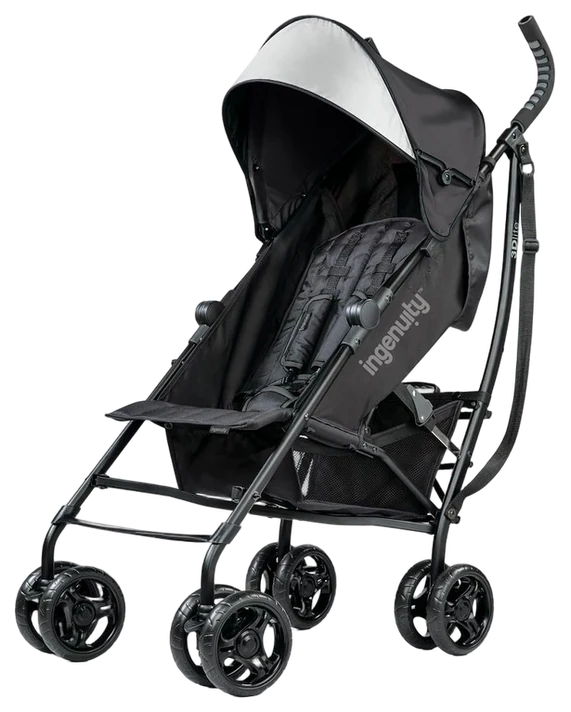
Summer Infant 3Dlite Convenience Stroller
Budget pickBest travel stroller
The one you keep in the boot and take on planes
Get it if you need a light second stroller for travel and errands.
Skip it if this would be your only stroller for daily use.
Almost every family ends up owning two strollers, and the second one exists purely to be light and disposable-feeling. The Summer Infant 3Dlite is the standard answer at around thirteen pounds: an aluminum umbrella frame you can carry up stairs with one arm, at a price that makes airline handling damage survivable.
It is better than umbrella strollers used to be. There is a multi-position recline that goes far enough for a nap, a five-point harness rather than a token strap, a storage basket that holds a diaper bag, and a cup holder, all features that were absent from cheap strollers a decade ago. For vacations, airports, theme parks and grandparents’ cars, it does everything needed.
Do not ask it to be a primary stroller, though. The small hard wheels struggle on gravel and grass, there is no meaningful suspension, and it is not suitable for newborns who cannot yet sit supported, so use an infant car seat and frame for that stage. At $80–120, it is one of the highest-value purchases in baby gear.
Get it if you need a light second stroller for travel and errands.
Skip it if this would be your only stroller for daily use.
Almost every family ends up owning two strollers, and the second one exists purely to be light and disposable-feeling. The Summer Infant 3Dlite is the standard answer at around thirteen pounds: an aluminum umbrella frame you can carry up stairs with one arm, at a price that makes airline handling damage survivable.
Read the full case
It is better than umbrella strollers used to be. There is a multi-position recline that goes far enough for a nap, a five-point harness rather than a token strap, a storage basket that holds a diaper bag, and a cup holder, all features that were absent from cheap strollers a decade ago. For vacations, airports, theme parks and grandparents’ cars, it does everything needed.
Do not ask it to be a primary stroller, though. The small hard wheels struggle on gravel and grass, there is no meaningful suspension, and it is not suitable for newborns who cannot yet sit supported, so use an infant car seat and frame for that stage. At $80–120, it is one of the highest-value purchases in baby gear.
Strengths
About thirteen pounds and easy to carry
Real recline and a five-point harness
Cheap enough to travel with without worry
Folds small for car boots and overheads
Tradeoffs
Small wheels struggle off pavement
No meaningful suspension
Not suitable for newborns
Every car seat sold in the U.S. meets the same federal standard, so the real questions are fit, install, and how long you’ll get out of it.
Fit your child: check the height and weight limits, and how much rear-facing room there is. A seat your child has outgrown early is money you’ll spend twice.
Fit your car and your life: the seat you can install correctly every time is the one that works for you. Try it in your actual car, and factor in stroller weight if you’re lifting it up stairs.
Think about longevity: a convertible or all-in-one seat can carry from newborn to booster, while an infant seat is easier to carry but you’ll replace it sooner. Neither is wrong, it’s a tradeoff.
The common mistake: buying a full travel system you don’t need, or not checking that the stroller fits your trunk and doorways before it arrives. Measure first.
Doona Car Seat & Stroller — an infant seat that folds into its own stroller in one motion, which is genuinely handy for city life and travel. We left it off because it’s heavy to carry and priced well above our infant-seat pick.
Graco 4Ever DLX 4-in-1 — an all-in-one that converts from infant harness through booster, so it can be the only seat you buy. We split our picks into infant plus convertible instead, but this is the one-seat route if you prefer it.
Nuna PIPA — a lightweight premium infant seat that clicks into many higher-end strollers. It does the same core job as our Chicco pick for a lot more money, so it sits here.
Stroller and car seat FAQs
6 common questions, answered.
Are expensive car seats safer than cheap ones?
No, and this is the most important thing to understand before spending. Every car seat sold in the United States must pass the same federal crash standard, FMVSS 213, so a budget seat that passes is meeting the same requirement as a premium one. What more money buys is easier and more forgiving installation, longer height and weight ranges so the seat lasts more years, nicer fabrics and lighter carriers. Easier installation does translate into real-world safety, because misuse rates are high, but the crash performance floor is identical.
Do car seats expire?
Yes, and the date is stamped into the plastic shell or on a label, typically six to ten years from manufacture. The reasons are genuine. Plastics become brittle with temperature cycling in a car, harness webbing degrades, labels and instructions become unreadable, and safety standards change. Never use a seat past its expiry date, and never use one that has been in a moderate or severe crash, even if it looks undamaged. Manufacturers publish their own crash-replacement guidance.
Is it safe to buy a used car seat?
Only from someone you trust completely and who can confirm its full history. You need to know it has never been in a crash, has never been recalled without the fix applied, is within its expiry date, has all its original parts and labels, and has not been stored somewhere extreme. A stranger cannot credibly confirm any of that, so a marketplace or thrift-store seat is a genuine risk. This is one of the few pieces of baby gear where buying new is the clear recommendation.
How long should a child stay rear-facing?
As long as the seat’s rear-facing limits allow. Safety bodies are consistent on this, and the reason is physics: a rear-facing seat spreads crash forces across the whole back and supports the head and neck, which matters enormously while a child’s neck is still developing. Bent legs are not a reason to turn a child around, since children are comfortable cross-legged and leg injuries in rear-facing crashes are rare. Seats with high rear-facing weight limits, like the convertible pick here, exist precisely to make this easier.
Should I buy a travel system or separate pieces?
Buying separately usually wins. A travel system bundles a stroller and an infant seat that are guaranteed to click together, which is convenient, but it often forces you to accept a mediocre stroller to get the car seat you want, or the reverse. Most quality strollers offer adapters for the popular infant seats, so you can choose the best of each. The exception is a bundle price that is lower when you like both components on their own merits.
Where can I get a car seat installation checked?
Free inspection by a certified child passenger safety technician is widely available and badly underused, since around half of seats are installed with at least one error. Fire stations, hospitals, police departments and public-health agencies commonly host checking stations, and national databases list appointments by zip code. Book one before the birth if you can, and again when you switch to a forward-facing or booster configuration. It takes twenty minutes and is the highest-value free thing available to new parents.
23Sep 2026Correction, 23 September 2026The Chicco KeyFit 35 isn’t stocked on Amazon, so its buttons now go straight to Chicco’s own store.Every correction we’ve made ›
Prices on this page are re-checked weekly — see the full Baby & Kids price index for every product we cover.
Keep reading
Where to go next.
The close calls side by side, then related guides.
New guides, re-ranked picks and the month's notable changes. No weekly filler, ever.
Unsubscribe any time. Your address goes to our newsletter provider and nowhere else — see our privacy policy.
Manage Consent
To provide the best experiences, we use technologies like cookies to store and/or access device information. Consenting to these technologies will allow us to process data such as browsing behavior or unique IDs on this site. Not consenting or withdrawing consent, may adversely affect certain features and functions.
Functional
Always active
The technical storage or access is strictly necessary for the legitimate purpose of enabling the use of a specific service explicitly requested by the subscriber or user, or for the sole purpose of carrying out the transmission of a communication over an electronic communications network.
Preferences
The technical storage or access is necessary for the legitimate purpose of storing preferences that are not requested by the subscriber or user.
Statistics
The technical storage or access that is used exclusively for statistical purposes.The technical storage or access that is used exclusively for anonymous statistical purposes. Without a subpoena, voluntary compliance on the part of your Internet Service Provider, or additional records from a third party, information stored or retrieved for this purpose alone cannot usually be used to identify you.
Marketing
The technical storage or access is required to create user profiles to send advertising, or to track the user on a website or across several websites for similar marketing purposes.