The Best Robot Vacuums of 2026:$150 Workhorses to Self-emptying Flagships
Robot vacuums finally deliver on the decade-old promise, provided you buy the right tier. We compared navigation testing, long-term reliability data and thousands of owner reviews across every price bracket.
By the BYB Editorial Team
Published July 28, 2026 · Updated · Prices checked OctoberOct 5, 2026
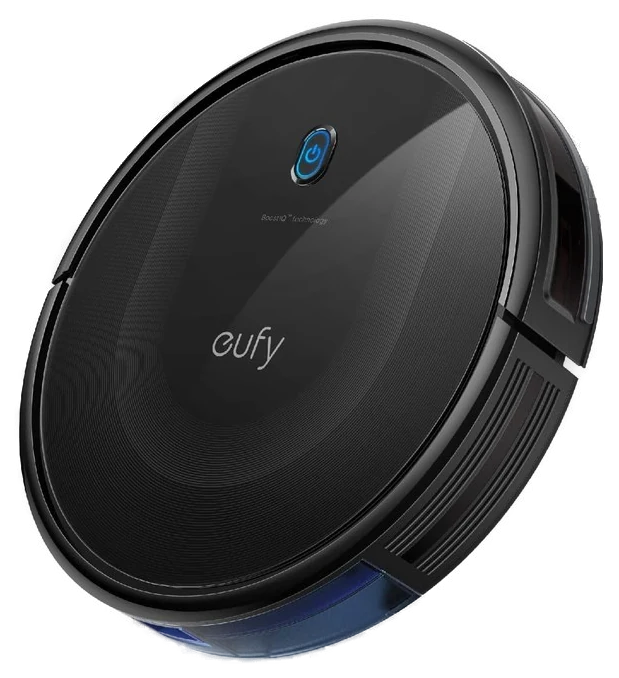
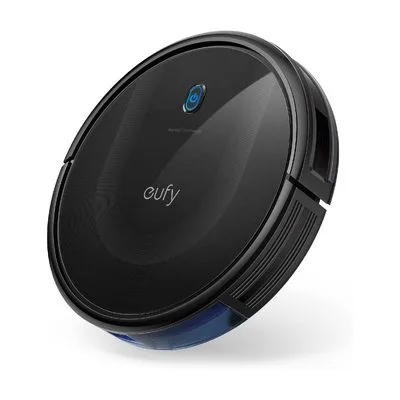
eufy 11S MAX$150–160eufy 11S MAX, $150–160 — no mapping, and it doesn’t need it; the cheapest robot worth owning.Check price
Buy
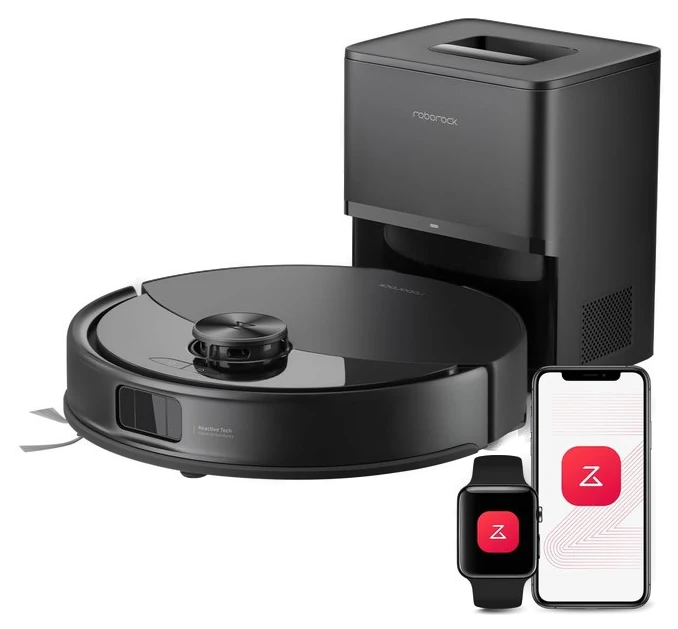
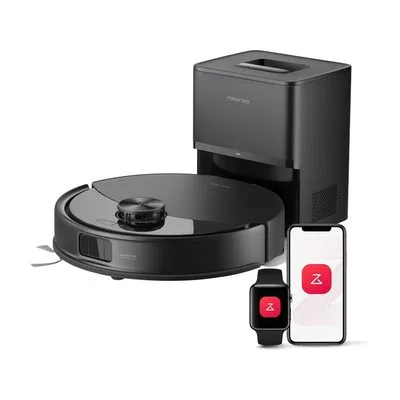
The Roborock Q10 S5+, $280–300 — it maps properly and empties itself, so the chore disappears instead of moving to a different day.
Skip
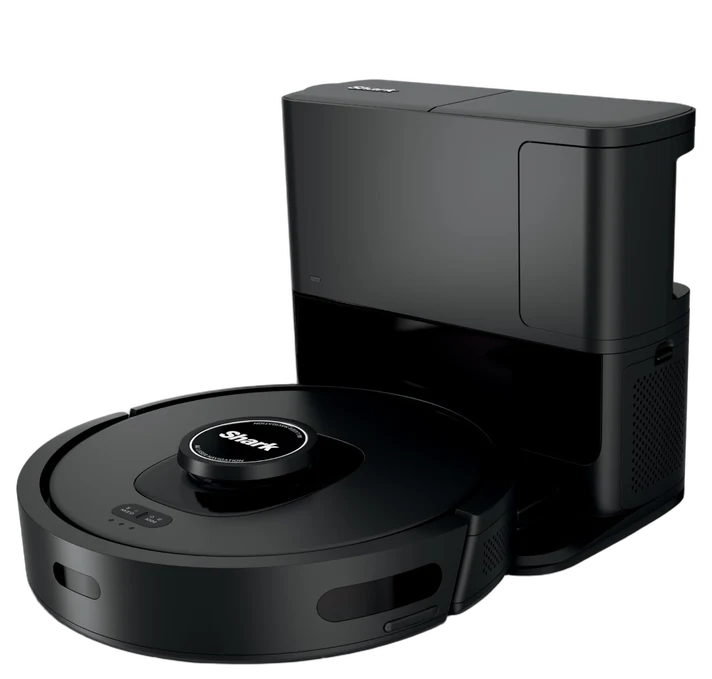
The Shark AI Ultra above the bottom of its $250–600 range — the price swings hard by SKU.
We compiled lab navigation tests (RTINGS, Vacuum Wars), brand reliability records, and owner reviews, weighting real-home performance (pet hair, thresholds, chair legs) over spec sheets.How we chose·How we verify·Corrections logged publicly
Robot vacuums finally deliver on the decade-old promise, provided you buy the right tier. We compared navigation testing, long-term reliability data and thousands of owner reviews across every price bracket.
Not sure which fits you? Answer two questions
Right for you?
Which pick is right for you?
Two quick questions. The answer is the guide’s own reason for one of its picks.
How we choseWhat we compared, and how we rank
We compiled lab navigation tests (RTINGS, Vacuum Wars), brand reliability records, and owner reviews, weighting real-home performance (pet hair, thresholds, chair legs) over spec sheets. Prices are always moving, so every button and link pulls the live listing.
How we rank
Published specifications, verified owner reviews, and independent safety or standards data where it applies — weighted the same for every pick, never sponsored placement.
What changed1 dated note · latest 23 September 2026
CorrectedThe Roomba Combo j5+ now sells new for about $500, far above the $200–230 this guide showed. The pick is now the Roomba Combo j5, the same robot without the self-emptying base, at about $175–200.
Dated notes already published on this page, newest first. Every correction we make is logged on the corrections page.
Roborock’s Q-series is where the robot-vacuum value curve peaks: real LiDAR mapping (clean rows, no-go zones, multi-floor maps) suction that handles pet hair on carpet, and a self-empty dock that shrinks your involvement to monthly bag changes.
Reviewers consistently rank Roborock’s app and reliability at the top of the mid-range, and the LiDAR difference shows in practice: methodical rows instead of drunken wandering, and no-go zones that hold around pet bowls and cable nests.
Its sonic mop is now serviceable, though the Dreame remains the mopping specialist, and the dock demands floor space. At $280–400 on Amazon, this is the most robot most homes should buy, the tier where the value math stops improving.
Strengths
LiDAR rows, zones, multi-floor maps
Self-empty dock: monthly involvement
Top-ranked app and reliability
Real pet-hair suction on carpet
Tradeoffs
Mopping still trails the Dreame
Dock claims floor space
Bags are a small recurring cost
Pick 2 of 5: No. 2Best under $200~$150–160
2
eufy 11S MAX
Budget pickBest under $200
The proven budget pick
Get it if a smaller space needs honest cleaning without complexity.
Skip it if you want rows, zones, and a hands-off dock. Go Roborock.
No map, no app account, no subscription anxiety: the eufy 11S MAX just cleans. Press the button (or use the remote), and its slim body slides under furniture that taller robots bounce off, running quieter than anything in its class.
The multi-year review history is the persuasive part: remarkably free of the early-death stories that haunt budget robots, with owners reporting years of near-daily service. For smaller homes, apartments, and robot first-timers, its bump-navigation coverage gets the floor done.
It’s random-path (no rows, no zones) and it will need rescuing from the occasional cord. At $150–160 on Amazon, it’s the budget answer, and a favorite second-floor unit for multi-story homes.
Strengths
Slimmest body, cleans under furniture
Quietest in its class
No app or account required
Years-long reliability record
Tradeoffs
Random-path navigation
No self-empty option
Needs occasional cord rescue
Pick 3 of 5: No. 3Best mop combo
3
Dreame L10s Pro Ultra
Best mop combo
The flagship that vacuums and mops
Get it if hard floors + pets/kids make mopping your real chore.
Skip it if carpet dominates. Pay less for the Roborock.
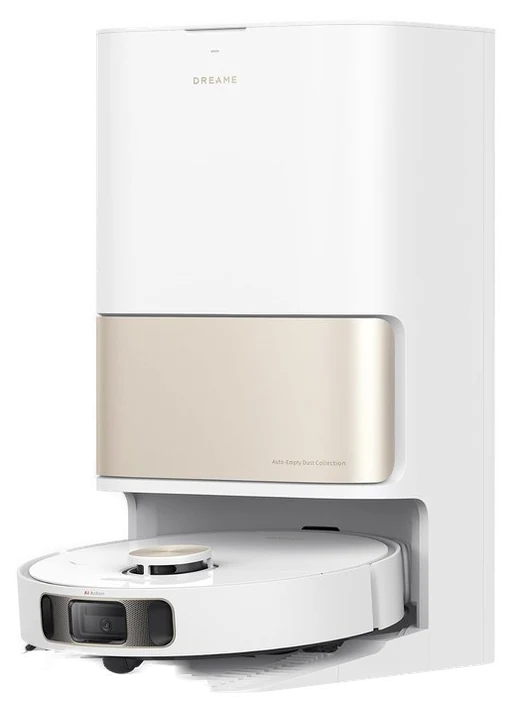
The flagship tier finally cracked mopping, and the Dreame L10s Pro Ultra is the proof: rotating pads that scrub, returning to a dock that hot-washes and dries them automatically, the maintenance loop that made earlier “mopping” robots a gimmick.
Owners describe the same shift: hard floors are just… clean, continuously, without anyone thinking about it. It vacuums to flagship standard too, lifts its mops on carpet, and the LiDAR mapping matches the best.
The dock is furniture-sized, the price is flagship-sized, and mop pads remain a consumable. At $350–400 on Amazon, with sale events cutting deep. It’s the pick for hard-floor homes with pets or kids, where it replaces two chores at once.
Strengths
Mopping that scrubs
Self-washing, self-drying dock
Flagship vacuuming + LiDAR
Hands-off floor care
Tradeoffs
Furniture-sized dock
Flagship pricing
Pads and solutions are consumables
Also on the shortlist
Two more, in brief
Pick 4 of 5: No. 4Best obstacle avoidance
4
iRobot Roomba Combo j5
Best obstacle avoidance
The obstacle-avoidance specialist
Get it if your floors are realistically cluttered. Avoidance pays.
Skip it if floors stay picked up, the Roborock gives more per dollar.
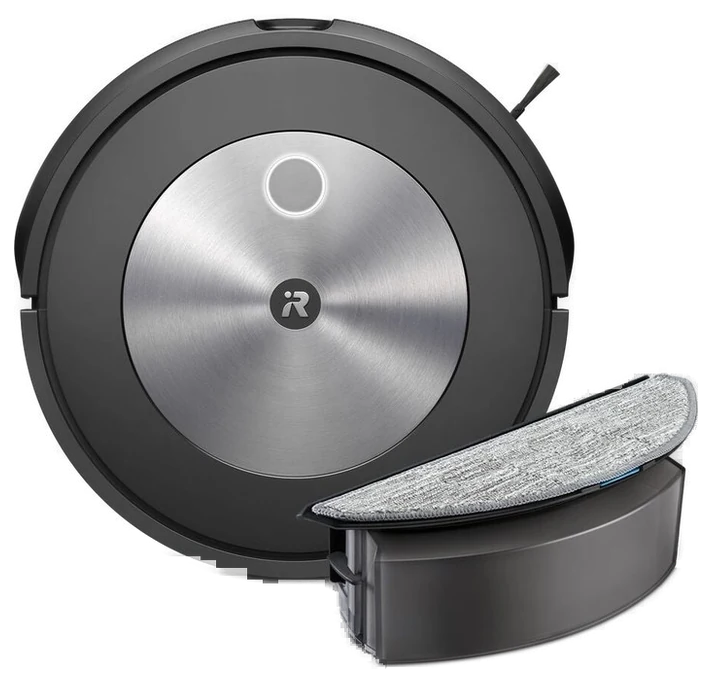
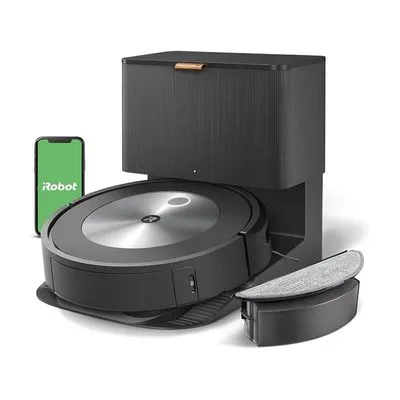
iRobot’s enduring advantage is recognizing what’s on your floor: the Roomba Combo j5’s camera AI dodges cables, socks, shoes: and, famously guaranteed, pet accidents, the single catastrophic failure mode that ends robot-vacuum ownership stories.
If your floors are never fully picked up (kids, pets, cords), that avoidance record is the feature worth paying for, and iRobot’s brush design and app maturity remain reference-grade. This trim skips the self-emptying base — you empty the bin by hand and swap in the mop pad yourself — which is exactly how it stays under $200.
Head-to-head on raw specs, the Roborock Q-Series often wins per dollar on mapping and mopping, but the j5 at $175–200 on Amazon stays at or under $200 while keeping the same camera-AI obstacle avoidance as the pricier, self-emptying j5+, which now runs roughly $500. Know the company context too: iRobot filed prepackaged Chapter 11 in December 2025 and has since passed into the ownership of Picea, a Chinese robotics buyer, so buy where return policies are strong and treat long-term app support as a question rather than a promise.
Get it if your floors are realistically cluttered. Avoidance pays.
Skip it if floors stay picked up, the Roborock gives more per dollar.
iRobot’s enduring advantage is recognizing what’s on your floor: the Roomba Combo j5’s camera AI dodges cables, socks, shoes: and, famously guaranteed, pet accidents, the single catastrophic failure mode that ends robot-vacuum ownership stories.
Read the full case
If your floors are never fully picked up (kids, pets, cords), that avoidance record is the feature worth paying for, and iRobot’s brush design and app maturity remain reference-grade. This trim skips the self-emptying base — you empty the bin by hand and swap in the mop pad yourself — which is exactly how it stays under $200.
Head-to-head on raw specs, the Roborock Q-Series often wins per dollar on mapping and mopping, but the j5 at $175–200 on Amazon stays at or under $200 while keeping the same camera-AI obstacle avoidance as the pricier, self-emptying j5+, which now runs roughly $500. Know the company context too: iRobot filed prepackaged Chapter 11 in December 2025 and has since passed into the ownership of Picea, a Chinese robotics buyer, so buy where return policies are strong and treat long-term app support as a question rather than a promise.
Strengths
AI dodges cords, socks, accidents
Pet-accident avoidance guarantee
Reference-grade brushes and app
Camera AI matches the pricier j5+
Tradeoffs
Specs-per-dollar trail Roborock
Mopping is basic
Ch.11 clouds long-term support
No self-emptying dock
Pick 5 of 5: No. 5Best on sale~$250–600 by SKU on sale
5
Shark AI Ultra
Upgrade pickBest on sale
The self-empty value alternative
Get it if you buy on sale and hate proprietary-bag subscriptions.
Skip it if paying list, the Roborock leads at full price.
Shark’s AI Ultra is the perennial sale-season winner: matrix-grid passes that hit floors from multiple angles, strong suction, and a bagless HEPA self-empty base with no proprietary bags to rebuy: a quiet running-cost advantage.
At list price it competes; at its frequent deep discounts it embarrasses the tier above. The pattern reviewers keep noting. The 30-day-capacity base means involvement measured in months, and the app covers scheduling and rooms competently.
Navigation is a step behind Roborock’s LiDAR polish and the base is loud for a few seconds at empty. Watch the price history and strike: the AI Ultra lists at $550–600 by SKU on Amazon and hits $250 in deep sales, the deal-hunter’s robot.
Strengths
Bagless base. No bag costs ever
Matrix-grid multi-angle passes
30-day self-empty capacity
Deep, frequent sale pricing
Tradeoffs
Navigation trails LiDAR rivals
Loud self-empty moment
Bulky base
Pick 5 of 5: No. 5Best on sale~$250–600 by SKU on sale
Get it if you buy on sale and hate proprietary-bag subscriptions.
Skip it if paying list, the Roborock leads at full price.
Shark’s AI Ultra is the perennial sale-season winner: matrix-grid passes that hit floors from multiple angles, strong suction, and a bagless HEPA self-empty base with no proprietary bags to rebuy: a quiet running-cost advantage.
Read the full case
At list price it competes; at its frequent deep discounts it embarrasses the tier above. The pattern reviewers keep noting. The 30-day-capacity base means involvement measured in months, and the app covers scheduling and rooms competently.
Navigation is a step behind Roborock’s LiDAR polish and the base is loud for a few seconds at empty. Watch the price history and strike: the AI Ultra lists at $550–600 by SKU on Amazon and hits $250 in deep sales, the deal-hunter’s robot.
Strengths
Bagless base. No bag costs ever
Matrix-grid multi-angle passes
30-day self-empty capacity
Deep, frequent sale pricing
Tradeoffs
Navigation trails LiDAR rivals
Loud self-empty moment
Bulky base
The best robot vacuum for you comes down to your floors, your home’s size, and how much of the emptying and washing you want to hand off.
Match suction and mopping to your floors: Bare floors and pet hair want strong suction; lots of hard floor makes mopping worth it; deep carpet makes a mop mostly dead weight. Buy for what you walk on.
Decide how hands-off you want the dock: Self-empty docks go weeks without you; full “omni” docks also wash and dry the mop pads but cost far more and take up real floor space.
Factor in the ongoing costs: Dust bags, mop pads, and filters are recurring buys, and a few brands charge for the app’s best features, so add that to the sticker price.
The common mistake, overpaying for a huge dock in a small home: In an apartment, a compact self-empty model often cleans as well as a $1,500 tower you have to find room for.
Roborock S8 MaxV Ultra — a do-everything flagship with hot-water mop washing, but at around $1,800 it’s far more vacuum than most homes need, so it sat outside this list.
Eufy X10 Pro Omni — a strong self-washing, self-emptying pick that often goes on sale, but it overlaps closely with our Roborock and Dreame choices, so it came down to price on the day.
Narwal Freo X Ultra — its zero-tangle brush is great for long hair and it mops well, but the tall dock takes up space and the app has a learning curve.
SwitchBot K10+ — tiny enough to reach under low furniture and still self-empties, but the small body means a smaller bin and less muscle on thick carpet, so it’s an apartment pick.
Robot vacuum FAQs
6 common questions, answered.
Are robot vacuums worth it for pet hair?
They’re at their best with pet hair. Daily automated passes prevent the tumbleweed accumulation that overwhelms weekly manual vacuuming. Choose self-emptying models: pet-hair bins fill fast, and daily manual emptying is exactly the chore you bought a robot to avoid.
Do robot mops actually work?
The current flagship generation, yes, models like the Dreame L10s Pro Ultra that wash and dry their own pads maintain hard floors. Anything that just drags a damp cloth is still a gimmick. Nothing replaces occasional real scrubbing on heavy messes.
Is LiDAR navigation worth paying for?
Above ~$250, yes: mapped rooms, clean parallel rows, no-go zones, and “clean the kitchen” commands. Below that price, a well-reviewed bump navigator like the eufy 11S cleans fine, it just wanders while doing it.
How much maintenance do robot vacuums really need?
Less than a stick vacuum, more than the ads imply. Weekly: empty the bin (or monthly with a self-empty dock) and pull hair off the brush roll, a two-minute scissors job in pet homes. Monthly: wipe sensors and check side brushes. Yearly: replacement filters and brushes, typically $20–40 in parts. The self-empty dock changes the relationship; it’s the feature owners say they’d rebuy first.
Will a robot vacuum work in a cluttered home?
Only with a quick floor sweep first. Cords, socks, and low-hanging blankets stop budget bump-bots cold, which is exactly what the Roomba j5’s camera AI exists to dodge. The practical fix costs nothing, a 60-second floor sweep before runs, and scheduled cleaning while you’re out makes that a habit. Very cluttered homes should either pick AI avoidance or accept co-parenting the robot.
Do robot vacuums handle stairs and multiple floors?
No robot climbs stairs. Cliff sensors reliably keep them from falling, and that’s the extent of it. Multi-floor homes have two options: carry the robot up (LiDAR models like the Roborock store separate maps per floor and reorient in seconds) or buy a cheap second unit for upstairs, a popular move with the eufy 11S at its price. Dock placement matters more than brand here: give it a wall with clearance.
23Sep 2026Correction, 23 September 2026The Roomba Combo j5+ now sells new for about $500, far above the $200–230 this guide showed. The pick is now the Roomba Combo j5, the same robot without the self-emptying base, at about $175–200.Every correction we’ve made ›
Prices on this page are re-checked weekly — see the full Home & Kitchen price index for every product we cover.
Keep reading
Where to go next.
The close calls side by side, then related guides.
New guides, re-ranked picks and the month's notable changes. No weekly filler, ever.
Unsubscribe any time. Your address goes to our newsletter provider and nowhere else — see our privacy policy.
Manage Consent
To provide the best experiences, we use technologies like cookies to store and/or access device information. Consenting to these technologies will allow us to process data such as browsing behavior or unique IDs on this site. Not consenting or withdrawing consent, may adversely affect certain features and functions.
Functional
Always active
The technical storage or access is strictly necessary for the legitimate purpose of enabling the use of a specific service explicitly requested by the subscriber or user, or for the sole purpose of carrying out the transmission of a communication over an electronic communications network.
Preferences
The technical storage or access is necessary for the legitimate purpose of storing preferences that are not requested by the subscriber or user.
Statistics
The technical storage or access that is used exclusively for statistical purposes.The technical storage or access that is used exclusively for anonymous statistical purposes. Without a subpoena, voluntary compliance on the part of your Internet Service Provider, or additional records from a third party, information stored or retrieved for this purpose alone cannot usually be used to identify you.
Marketing
The technical storage or access is required to create user profiles to send advertising, or to track the user on a website or across several websites for similar marketing purposes.