The Best Fitness Trackers:From $40 Bands to Full Smartwatches
Fitness tracking now spans $40 bands that nail the basics to smartwatches that read your heart rhythm. We compared accuracy testing and long-term wear reviews to match each budget to the tracker actually worth wearing.
By the BYB Editorial Team
Published July 28, 2026 · Updated · Prices checked OctoberOct 5, 2026
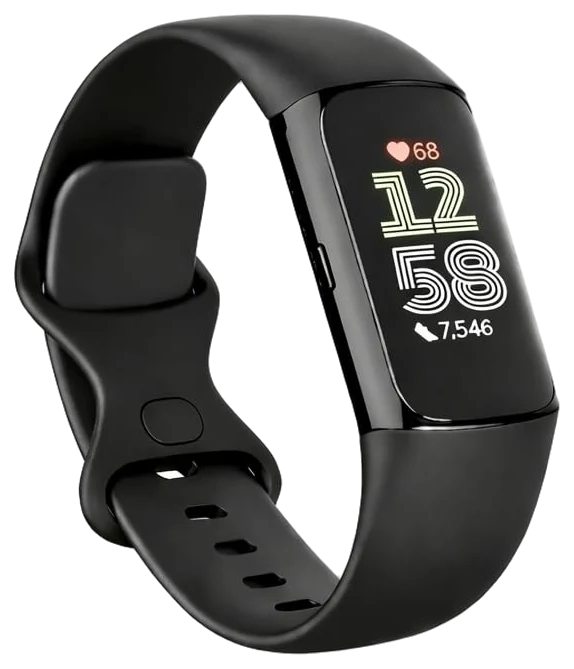
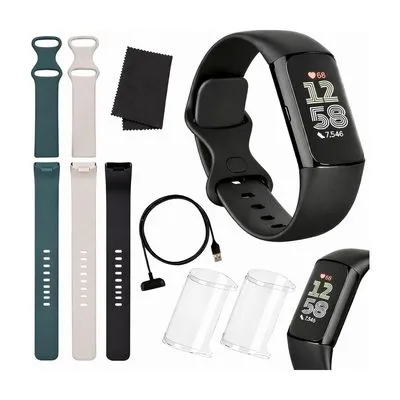
Fitbit Charge 6$130–160The Fitbit Charge 6, about $130–160 — about a week of battery, a heart rate sensor that holds up, and a band small enough that you keep wearing it past February.Check price
On iPhone
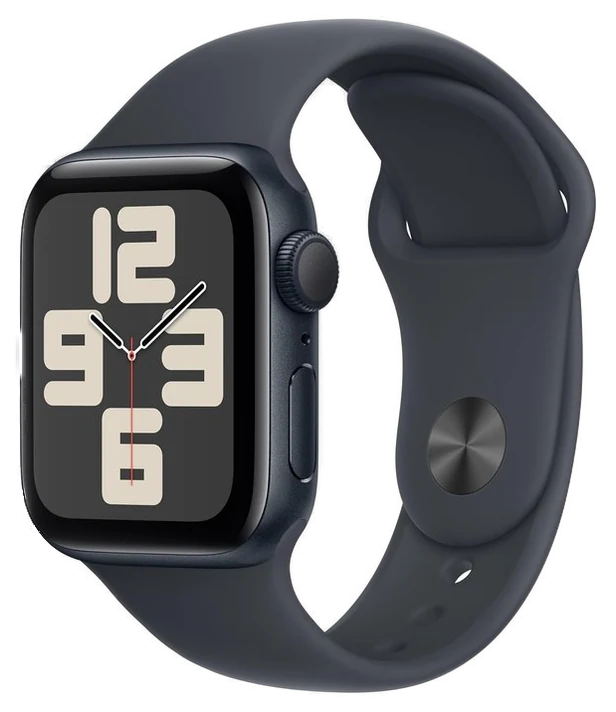
Apple Watch SE$219–329Apple Watch SE, $219–329 — the gateway if you want notifications as much as step counts.Check price
Want built-in GPS without flagship prices
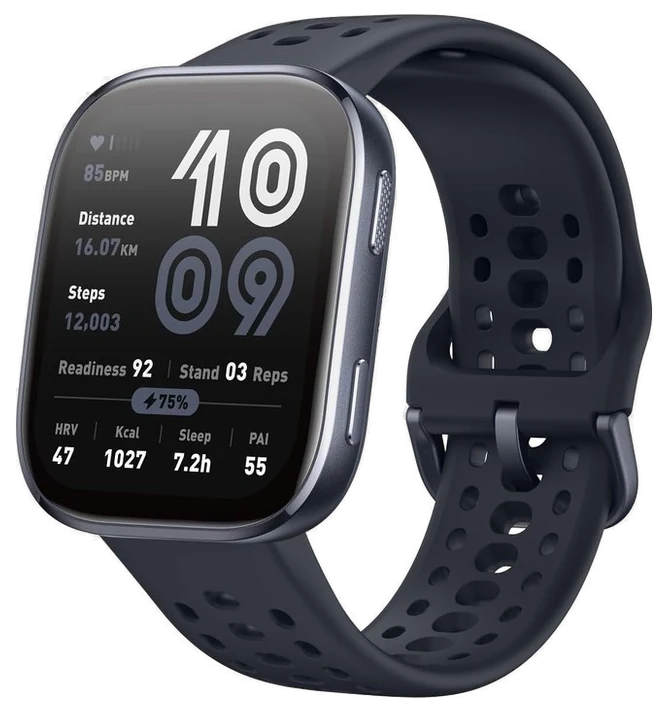
Amazfit Bip 6 Smart Watch$75–85Amazfit Bip 6, $75–85 — tracks a run on its own, no phone required.Check price
We compiled accuracy studies, battery-life testing, and long-term owner reviews, weighting the metric that decides everything: whether people are still wearing the device six months later.How we chose·How we verify·Corrections logged publicly
Fitness tracking now spans $40 bands that nail the basics to smartwatches that read your heart rhythm. We compared accuracy testing and long-term wear reviews to match each budget to the tracker actually worth wearing.
How we choseWhat we compared, and how we rank
We compiled accuracy studies, battery-life testing, and long-term owner reviews, weighting the metric that decides everything: whether people are still wearing the device six months later. Prices are always moving, so every button and link pulls the live listing.
How we rank
Published specifications, verified owner reviews, and independent safety or standards data where it applies — weighted the same for every pick, never sponsored placement.
For people who want tracking without a wrist computer, the Fitbit Charge 6 remains the format’s high-water mark: accurate heart rate with ECG on board, built-in GPS for phone-free runs, and the sleep tracking Fitbit still does better than most.
A week between charges keeps it on your wrist (including nights, where trackers earn their keep) and the slim band disappears under sleeves in a way watches never do. Google integration (Maps turns, Wallet, YouTube Music controls) matures each year.
The asterisk is Fitbit Premium: core stats stay free, but deeper insights sit behind the subscription. At $130–160 on Amazon, it’s the balanced answer for most wrists. iPhone loyalists should weigh the SE.
DC Rainmaker’s chest-strap comparison found the Charge 6’s heart rate reading within about 1 percent of a Polar H10 during both resting and workout tracking. GPS is the softer spot: testing clocked it roughly 3 BPM and up to 0.86 miles off on a steep-hill test, though it tightens up on open trails and roads. Worn loosely rather than snug, both the optical sensor and antenna read more accurately, counterintuitive advice worth following.
Strengths
Best-in-class sleep tracking
Built-in GPS and ECG
Week-long battery
Slim enough to forget
Tradeoffs
Premium subscription upsell
Small screen for replies
Google account required
Pick 2 of 5: No. 2Best for iPhone~$219–329
2
Apple Watch SE
Upgrade pickBest for iPhone
The iPhone owner’s rational buy
Get it if you have an iPhone and want the ecosystem entry point, at $219–329.
Skip it if battery or Android rules, Garmin and Fitbit await.
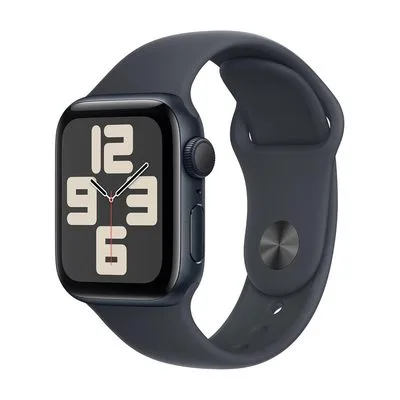
The Apple Watch SE is Apple’s quiet value monster: the complete watchOS experience (activity rings, crash and fall detection, safety features, the full app ecosystem) minus the always-on display and advanced sensors that inflate the flagship’s price.
For iPhone owners easing into fitness tracking it’s the obvious gateway: the rings change behavior (the rare gamification with research behind it), and the ecosystem pulls workouts, payments, and messages onto the wrist without friction.
Daily charging is the tax, and Android phones need not apply. At $219–329 on Amazon with sale dips toward $199, it’s the best first wearable in the Apple universe. Battery-first buyers should read the Garmin next.
Apple rates the SE at 18 hours of typical use, enough for a full day but not weeks like the dedicated trackers on this page, extendable to about 32 hours in Low Power Mode when a charger isn’t near. It skips the flagship’s always-on display, so the screen goes dark between wrist raises, and fast charging gets it to 80 percent in roughly 45 minutes, covering most missed-the-charger mornings. Crash and fall detection ship standard, features still absent from most fitness-band competitors.
Strengths
Full watchOS at entry price
Rings that change behavior
Crash/fall safety features
Regular sub-$200 sales
Tradeoffs
Nightly charging
iPhone-only
No always-on display
Pick 3 of 5: No. 3Best battery + sport depth
3
Garmin Vivoactive
Best battery + sport depth
The athlete’s all-rounder
Get it if training depth and battery freedom top your list, for $250–300.
Skip it if wrist apps and polish matter. The SE wins there.
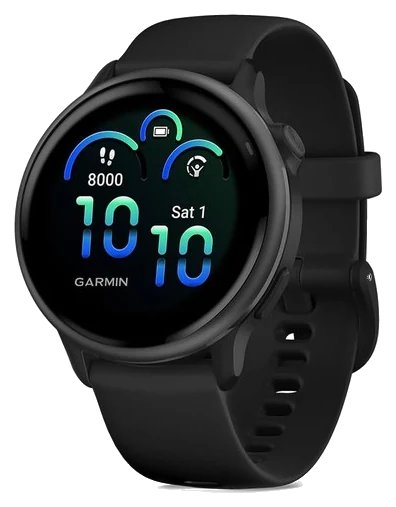
Garmin’s advantage is depth without a daily charge: the Vívoactive packs 30-plus sport profiles, real training metrics, and sleep coaching into a clean AMOLED watch with a battery measured in weeks, not hours.
For anyone whose workouts go beyond step counting (pool swims, strength sets, golf rounds, proper run training) the metric depth embarrasses the lifestyle brands, and the Body Battery recovery score has earned its cult following.
The app ecosystem is thin next to watchOS and the interface is function-first. At $250–300 on Amazon, it’s the pick when sport depth and eleven-day battery outrank wrist apps, and it works fully with either phone.
Garmin rates the Vivoactive at up to 11 days in smartwatch mode, dropping to about 5 days with the display set to always-on, and roughly 8 hours with GPS and music both running during a workout, numbers DC Rainmaker’s testing found realistic rather than inflated, calling the watch essentially a mini version of Garmin’s pricier Venu at a lower cost. Heavy GPS use, like daily tracked runs, pulls real-world battery down to 4 or 5 days between charges.
Strengths
~11-day battery
Deepest sport tracking here
Works with iPhone AND Android
Body Battery recovery score
Tradeoffs
Thin app ecosystem
Utilitarian interface
No cellular options
Also on the shortlist
Two more, in brief
Pick 4 of 5: No. 4Best budget GPS
4
Amazfit Bip 6 Smart Watch
Best budget GPS
The budget watch with real GPS
Get it if you want GPS tracking without carrying your phone.
Skip it if you never leave the house without your phone anyway.
The Amazfit Bip 6 answers a different question than most budget wearables: do you need a phone in your pocket to track a run? Built-in GPS across five satellite systems says no, tracking pace and distance on its own, a feature bands twice its price often skip. A 1.97-inch AMOLED display at up to 2,000 nits and 140-plus sport modes round out a watch that doesn’t feel like a compromise.
Battery runs up to 14 days of typical use, or about 6 days with GPS and always-on features pushed hard, and continuous GPS tracking alone holds up to 32 hours — plenty for a long hike. The BioTracker sensor covers heart rate, blood oxygen, stress and sleep staging, and 5ATM water resistance means swim laps without a second thought.
The limits: it’s an Amazfit-app ecosystem, so Bluetooth calling and text replies work but the app is functional rather than polished, and battery life trails some GPS-free bands on this list. At $75–85 on Amazon, it’s the one to buy if a phone-free GPS track matters more than shaving a few more dollars off the price.
Get it if you want GPS tracking without carrying your phone.
Skip it if you never leave the house without your phone anyway.
The Amazfit Bip 6 answers a different question than most budget wearables: do you need a phone in your pocket to track a run? Built-in GPS across five satellite systems says no, tracking pace and distance on its own, a feature bands twice its price often skip. A 1.97-inch AMOLED display at up to 2,000 nits and 140-plus sport modes round out a watch that doesn’t feel like a compromise.
Read the full case
Battery runs up to 14 days of typical use, or about 6 days with GPS and always-on features pushed hard, and continuous GPS tracking alone holds up to 32 hours — plenty for a long hike. The BioTracker sensor covers heart rate, blood oxygen, stress and sleep staging, and 5ATM water resistance means swim laps without a second thought.
The limits: it’s an Amazfit-app ecosystem, so Bluetooth calling and text replies work but the app is functional rather than polished, and battery life trails some GPS-free bands on this list. At $75–85 on Amazon, it’s the one to buy if a phone-free GPS track matters more than shaving a few more dollars off the price.
Strengths
Built-in GPS, no phone needed
Bright 1.97-inch AMOLED display
Two weeks of typical battery
Bluetooth calling and text replies
Tradeoffs
Battery trails GPS-free bands here
App is functional, not polished
Pricier than a plain fitness band
Pick 5 of 5: No. 5Best seller worldwide~$40–60
5
Xiaomi Smart Band
Budget pickBest seller worldwide
The global budget benchmark
Get it if maximum tracker per dollar is the whole brief, at $40–60.
Skip it if you want the tightest accuracy. Spend up to Fitbit.
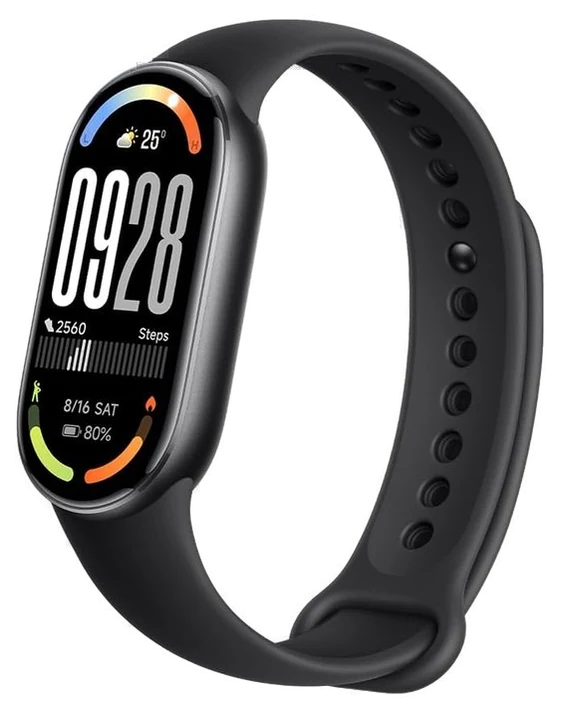
Xiaomi’s Smart Band outsells nearly everything in the world market for one reason: each generation delivers a bright AMOLED display, weeks of battery, and shockingly complete tracking at a price that keeps drifting down.
The 150-plus sport modes are checkbox-generous, but the core (steps, heart rate, sleep, notifications) performs far above the price class, and the hardware polish surprises first-time owners. Swappable band colors and a two-week battery make it the tracker whole families end up buying in threes.
The app runs busier than Fitbit’s and some metrics read optimistic, the known trades. At $40–60 on Amazon, it’s the global value benchmark, and the pick to grab if you don’t need the Amazfit Bip 6’s built-in GPS.
Xiaomi rates the band at up to 21 days on a charge with the always-on display off, dropping to roughly 9 days with it left on, and a full recharge takes about an hour off its 233mAh cell. The company says the heart rate sensor is roughly 16 percent more accurate than the previous generation’s, and the 1.62-inch AMOLED panel hits 1,200 nits peak brightness, bright enough to read outdoors in direct sun, a spec cheaper bands routinely fudge.
Get it if maximum tracker per dollar is the whole brief, at $40–60.
Skip it if you want the tightest accuracy. Spend up to Fitbit.
Xiaomi’s Smart Band outsells nearly everything in the world market for one reason: each generation delivers a bright AMOLED display, weeks of battery, and shockingly complete tracking at a price that keeps drifting down.
Read the full case
The 150-plus sport modes are checkbox-generous, but the core (steps, heart rate, sleep, notifications) performs far above the price class, and the hardware polish surprises first-time owners. Swappable band colors and a two-week battery make it the tracker whole families end up buying in threes.
The app runs busier than Fitbit’s and some metrics read optimistic, the known trades. At $40–60 on Amazon, it’s the global value benchmark, and the pick to grab if you don’t need the Amazfit Bip 6’s built-in GPS.
Xiaomi rates the band at up to 21 days on a charge with the always-on display off, dropping to roughly 9 days with it left on, and a full recharge takes about an hour off its 233mAh cell. The company says the heart rate sensor is roughly 16 percent more accurate than the previous generation’s, and the 1.62-inch AMOLED panel hits 1,200 nits peak brightness, bright enough to read outdoors in direct sun, a spec cheaper bands routinely fudge.
Strengths
World-beating value formula
Bright AMOLED display
Weeks-long battery
Polish above its price
Tradeoffs
Busy app experience
Optimistic step counts
No onboard GPS
Pick the form you’ll keep wearing, then match battery and sensors to your goals.
Band, watch, or ring: a slim band disappears on your wrist, a watch does more, and a ring is best for sleep; wear-ability beats any feature you’ll take off.
Battery you won’t fight: simple bands and rings run a week or more, while full smartwatches need charging most days, so be honest about your habits.
Accuracy where it counts: if you run or cycle, look for built-in GPS and reliable heart rate rather than trusting phone-tethered numbers.
The common mistake: ignoring the subscription; some of the best trackers lock their real insights behind a monthly fee, so add that to the price.
Oura Ring 4 — great sleep and recovery data, but there’s no screen and it needs a monthly membership to see most of it.
Whoop 5.0 — strong recovery coaching, but it’s subscription-only with no display, so it’s a niche pick, not a first tracker.
Samsung Galaxy Fit3 — cheap and comfy, but it borrows your phone for GPS and only pairs with Android.
Fitbit Inspire 3 — a fine basic band, but the Charge 6 we picked adds built-in GPS and ECG for not much more.
Fitness tracker FAQs
6 common questions, answered.
Are cheap fitness trackers accurate enough?
For steps, sleep duration, and resting heart rate: yes, within a few percent of premium devices. The gap widens during high-intensity intervals and GPS-dependent metrics. Casual health awareness: buy cheap. Training decisions: buy the Garmin.
Fitness band or smartwatch?
Bands win on battery (weeks vs. a day) and on not delivering notifications to your wrist, which some people count as a health feature. Smartwatches win on apps, calls, and safety features like crash detection. Decide which screen relationship you want, then pick the budget tier.
Do I need a subscription for fitness tracking?
No. Every pick here delivers its core tracking without one. Fitbit Premium and similar add coaching and longer-term insights; try the free tier for a month first. The best predictor of results is wearing the device daily, not paying for analysis of the days you didn’t.
How accurate is sleep tracking?
Good enough for trends, not for diagnosis: wrist trackers estimate sleep stages from movement and heart rate, and against lab equipment they’re decent at total sleep time, rougher on stage-by-stage detail. Fitbit and Garmin lead the consumer pack. The useful practice is comparative (your Tuesday versus your Friday, this month versus last) where the errors cancel and the trends are real. Anyone suspecting apnea needs a doctor, not a band.
What keeps people using a tracker past month one?
The research and the review patterns agree: comfort (bands beat watches for sleep), battery (every charge is an abandonment opportunity, the two-week Amazfit outlasts the daily-charge crowd in usage studies), and one metric you care about rather than ten dashboards. Streaks and move reminders help the motivation-driven; data-lovers stay for trends. Buy the device whose maintenance you’ll tolerate, not the one with the longest spec sheet.
Can I swim or shower with these trackers?
All five picks are water-rated for swimming (5 ATM), and pool-swim tracking is useful on the Garmin and Fitbit. The fine print that matters: hot showers and saunas are discouraged (heat stresses seals faster than water), soap degrades bands, and salt water asks for a rinse after. Leather and fabric bands are the actual weak point, swim in silicone, dress in the others.
23Sep 2026Correction, 23 September 2026The Amazfit Band 7 can no longer be bought. Its slot now goes to the Amazfit Bip 6, which adds built-in GPS, at about $75–85.Every correction we’ve made ›
New guides, re-ranked picks and the month's notable changes. No weekly filler, ever.
Unsubscribe any time. Your address goes to our newsletter provider and nowhere else — see our privacy policy.
Manage Consent
To provide the best experiences, we use technologies like cookies to store and/or access device information. Consenting to these technologies will allow us to process data such as browsing behavior or unique IDs on this site. Not consenting or withdrawing consent, may adversely affect certain features and functions.
Functional
Always active
The technical storage or access is strictly necessary for the legitimate purpose of enabling the use of a specific service explicitly requested by the subscriber or user, or for the sole purpose of carrying out the transmission of a communication over an electronic communications network.
Preferences
The technical storage or access is necessary for the legitimate purpose of storing preferences that are not requested by the subscriber or user.
Statistics
The technical storage or access that is used exclusively for statistical purposes.The technical storage or access that is used exclusively for anonymous statistical purposes. Without a subpoena, voluntary compliance on the part of your Internet Service Provider, or additional records from a third party, information stored or retrieved for this purpose alone cannot usually be used to identify you.
Marketing
The technical storage or access is required to create user profiles to send advertising, or to track the user on a website or across several websites for similar marketing purposes.