The Best Personal Care Devices:Skincare and Grooming at Home
Beauty tech is where marketing runs hottest. We compared clinical evidence, dermatologist commentary, and thousands of long-term reviews to find the five devices that do something measurable.
By the BYB Editorial Team
Published July 28, 2026 · Prices checked OctoberOct 5, 2026
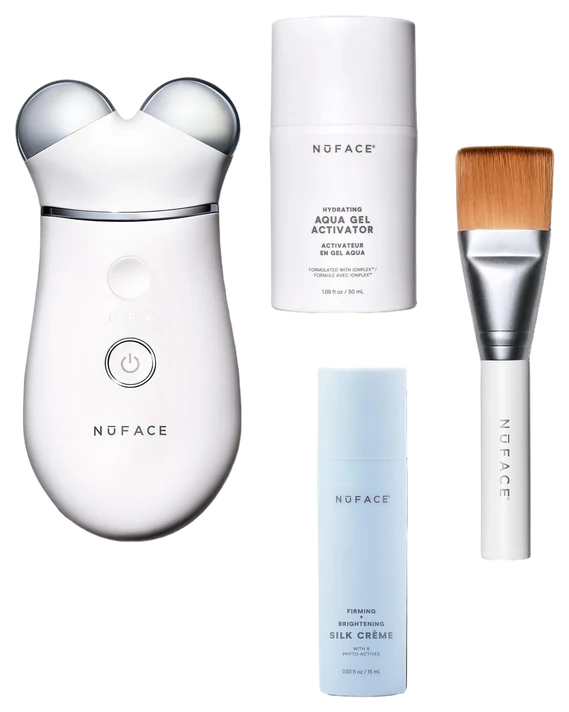
NuFACE Trinity+$395The NuFACE Trinity+, about $395 — real money for a face device, but it’s here because microcurrent has peer-reviewed work behind it rather than a marketing claim.Check price
A third of the price
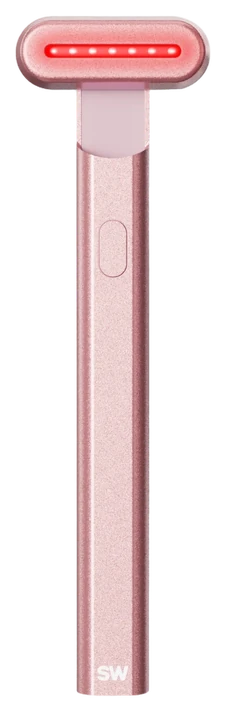
Solawave wand, $130–170 — a lighter version of the same idea.
If the budget stretches to one device
Buy the toothbrush instead: Oral-B iO Series 5, $95–120 — the only thing here with dental evidence behind it.
Beauty tech is where marketing runs hottest. We compared clinical evidence, dermatologist commentary, and thousands of long-term reviews to find the five devices that do something measurable.
How we choseWhat we compared, and how we rank
We compiled published clinical data, dermatologist and reviewer testing, and verified long-term owner reviews across the category. Prices are always moving, so every button and link pulls the live listing.
How we rank
Published specifications, verified owner reviews, and independent safety or standards data where it applies — weighted the same for every pick, never sponsored placement.
The NuFACE Trinity+ is an FDA-cleared microcurrent device built around two rounded metal probes that deliver current through a conductive gel, which NuFACE says reaches the 69 muscles of the face and neck. The three treatment levels work at different depths, from an instant-lift mode to Pro Toning, the deepest, plus a boost button that raises output by up to 25 percent.
T3’s reviewer got more than a week of daily use per charge, and NuFACE backs the device with a two-year warranty and a 60-day return window. The starter kit sells for $395 on Amazon, the same price NuFACE charges direct.
T3 gave the Trinity+ its Recommends Award after its reviewer saw cheeks that looked plumper and lifted immediately after longer 20-minute sessions, a change T3 calls temporary. The same review flagged real friction: the current stung on sensitive spots at first, and the activator gel is a recurring purchase on top of the device.
Commitment is the limitation, since NuFACE prescribes five sessions a week, five minutes each, for the first 60 days before tapering to maintenance, and results fade when the sessions stop. NuFACE’s own step up is the Trinity+ Complete Set at $595, which adds red-light and lip-and-eye attachments; the step down is the Solawave elsewhere in this guide, a cheap way to test the habit.
Strengths
Clinical literature behind the tech
FDA-cleared category benchmark
Visible short-term firming
Five-minute guided sessions
Tradeoffs
Results vanish without consistency
Gel refills recur
Highest price on the page
Pick 2 of 5: No. 2Best value
2
Solawave 4-in-1 Radiant Renewal Wand
Best value
The affordable entry point
Get it if you want a rational first experiment in device skincare.
Skip it if you want maximum measurable effect. That’s the NuFACE.
The Solawave wand, sold as the 4-in-1 Radiant Renewal Wand, packs four modalities into a pen-sized, aluminum-finish handle: 630nm red light, a mild galvanic current, low-level warmth, and massage vibration, with the light coming from seven dual-core chips that Solawave markets as 14 LEDs. Solawave lists 3-minute sessions per treatment area, about 12 minutes for a full routine, and up to 90 minutes of battery per charge, about seven treatments. Coverage runs to a one-year warranty with a 60-day money-back guarantee. List price is $169, and it typically sells for $130–170 on Amazon.
Independent measurement sets expectations here. Light Therapy Insiders metered the wand and found the wavelength accurate at 630.2nm but irradiance of just 8-10 mW/cm² against the 40-45 mW/cm² claimed in the manual, so each session delivers less light than the spec suggests. The same review found the pen-sized build makes daily treatments time-consuming enough to become tiresome, and its verdict was blunt: anyone buying primarily for red light should consider other devices.
What the wand still earns is its price: it is the cheapest credible way into device skincare on this page. For dedicated full-face light therapy, the Omnilux Contour Face costs $395 and covers the entire face with 132 medical-grade LEDs at 633nm and 830nm in hands-free 10-minute sessions.
Strengths
Cheapest credible skincare entry
Rides an existing routine step
Positive owner-review skew
Travel-sized and USB-charged
Tradeoffs
Gentlest-dose science
Gradual, subtle results
Charging is easy to forget
Pick 3 of 5: No. 3Best for eye strain~$50–60
3
RENPHO Eyeris 1 Eye Massager
Budget pickBest for eye strain
The screen-strain reliever
Get it if screen-heavy days end with tension behind your eyes.
Skip it if you want visible skincare results, different tools above.
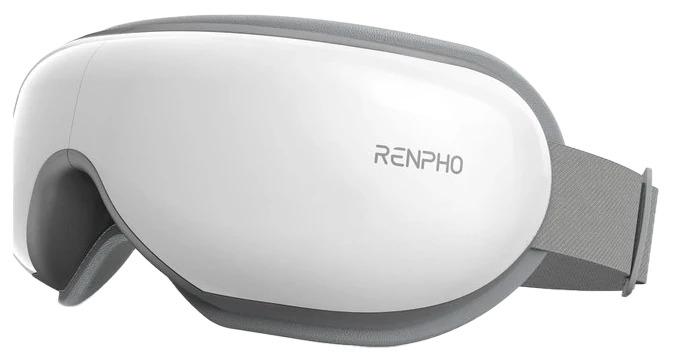
The RENPHO Eyeris 1 is a heated massage mask for tired eyes: Renpho quotes a comfortable 107°F warmth, sub-45-decibel operation, and a 180-degree foldable design that packs down for travel, while Pocket-lint’s review adds three pressure settings and a 104-107°F heat band. A built-in Bluetooth speaker can play whatever audio you queue during the 15-minute auto-off session, a bonus rather than the point. Pocket-lint reports six 15-minute cycles from a full charge of the 1200mAh battery, with a 2.5 to 3 hour recharge. Against a list price around $100, it usually sells for $50–60 on Amazon.
Pocket-lint’s reviewer called it a favorite small luxury of 2024 for screen-strain headaches and pre-sleep wind-down, crediting the heat and massage for easing eye-strain tension and stress, while being clear it managed migraine triggers rather than stopping a migraine outright.
The dated details drew the criticism: the reviewer’s unit charged over micro-USB with no wall adapter in the box, and the touch controls proved sensitive enough that a remote helps, which newer bundles now include. Spending more buys biometrics: Therabody’s SmartGoggles, $219.99 at list in second-generation form, add a heart-rate-responsive relaxation mode plus dedicated temple massage for users who want the mask to adapt to them.
Strengths
Screen-strain relief that lands
Heat + compression wind-down
Huge satisfied-review volume
Folds flat for travel
Tradeoffs
Comfort claims, not clinical ones
Looks delightfully ridiculous
Music feature is a gimmick
Also on the shortlist
Two more, in brief
Pick 4 of 5: No. 4Best brush per dollar
4
Oral-B iO Series 5
Best brush per dollar
The dentist-grade upgrade
Get it if you want the device purchase dentistry endorses.
Skip it if you already run a modern electric brush, no upgrade needed.
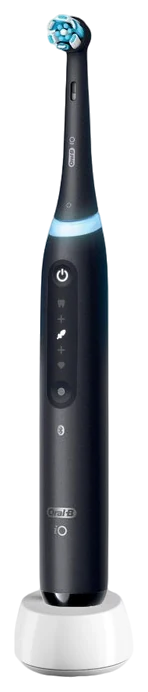
The Oral-B iO Series 5 brings Oral-B’s magnetic iO drive down to a $119.99 list price, and it typically sells for $95–120 on Amazon. Oral-B lists five brushing modes, from Daily Clean through Whitening, plus a 2-minute timer that pulses every 30 seconds. Its pressure sensor signals too hard, too soft, or just right instead of only flagging excess force. The box includes a hard travel case and a magnetic charger, though only a single brush head, and Bluetooth links the handle to Oral-B’s app for coaching that matters most in the first weeks of correcting technique.
Budget the heads honestly, because they outlast the discount on the handle. A genuine four-pack of iO Ultimate Clean heads is about $40 at Target, and Oral-B’s own store sells them only in twos at $29.99, so buying direct works out nearer $60 for four.
Tech Advisor’s review praised the quiet running and cleaning performance and singled out the light-ring sensor for flagging too little pressure as well as too much, something new to the iO range. Charging drew the criticism: a full charge takes around 12 hours and lasts up to two weeks, because the faster 3-hour charging is reserved for the iO Series 7 and above.
Tech Advisor also noted replacement heads cost about $30 for four, an ongoing expense. The step up is the iO Series 9, $329.99 list and often about $220 on promotion, which adds an interactive color display and 3D teeth tracking; whether a toothbrush needs a screen is exactly the question this cheaper handle answers.
Get it if you want the device purchase dentistry endorses.
Skip it if you already run a modern electric brush, no upgrade needed.
The Oral-B iO Series 5 brings Oral-B’s magnetic iO drive down to a $119.99 list price, and it typically sells for $95–120 on Amazon. Oral-B lists five brushing modes, from Daily Clean through Whitening, plus a 2-minute timer that pulses every 30 seconds. Its pressure sensor signals too hard, too soft, or just right instead of only flagging excess force. The box includes a hard travel case and a magnetic charger, though only a single brush head, and Bluetooth links the handle to Oral-B’s app for coaching that matters most in the first weeks of correcting technique.
Read the full case
Budget the heads honestly, because they outlast the discount on the handle. A genuine four-pack of iO Ultimate Clean heads is about $40 at Target, and Oral-B’s own store sells them only in twos at $29.99, so buying direct works out nearer $60 for four.
Tech Advisor’s review praised the quiet running and cleaning performance and singled out the light-ring sensor for flagging too little pressure as well as too much, something new to the iO range. Charging drew the criticism: a full charge takes around 12 hours and lasts up to two weeks, because the faster 3-hour charging is reserved for the iO Series 7 and above.
Tech Advisor also noted replacement heads cost about $30 for four, an ongoing expense. The step up is the iO Series 9, $329.99 list and often about $220 on promotion, which adds an interactive color display and 3D teeth tracking; whether a toothbrush needs a screen is exactly the question this cheaper handle answers.
Strengths
Quiet, strong cleaning performance
Pressure ring changes behavior
Flagship drive, mid-tier price
Hygienist-favored round head
Tradeoffs
Premium replacement heads
App adds little after week one
Sales require patience
Pick 5 of 5: No. 5Best hair device
5
Shark FlexStyle
Best hair device
The hair-tool multitool
Get it if drying and styling share your routine and budget matters.
Skip it if hair tools aren’t your category. This is a styling buy.
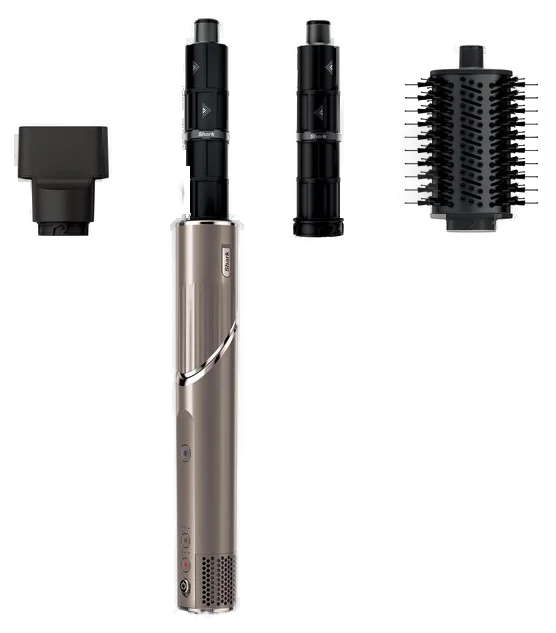
The Shark FlexStyle is a 1,600-watt dryer and styler whose head pivots with one twist, so the same machine rough-dries hair and then curls or smooths it. Shark lists five attachments in the HD430 kit, among them two 1.25-inch auto-wrap curlers plus oval and paddle brushes, and says the system measures air temperature 1,000 times per second to keep heat consistent.
An 8-foot cord and a two-year limited warranty round out the spec sheet. Because each curler wraps in a single direction, reversing a curl means swapping attachments. List price is $349.99, discounts are frequent, and it typically sells for $250–300 on Amazon.
In The New Knew’s head-to-head with the Dyson Airwrap, which costs hundreds more, the FlexStyle came out ahead on points, drying half the reviewer’s head 17 seconds faster and setting curls that held longer through the day. The same comparison did not spare it: attachments can get too hot to handle mid-style, the FlexStyle runs hotter than the Airwrap, and the motor registered 95 decibels against the Airwrap’s 84.
Listed weight is a near tie, 1.54 pounds versus 1.5 for the Dyson. The reviewer still called the quieter, more refined Dyson the better machine, with 4 barrel options across size and length; the FlexStyle’s case is winning most of the results for a fraction of the price.
Get it if drying and styling share your routine and budget matters.
Skip it if hair tools aren’t your category. This is a styling buy.
The Shark FlexStyle is a 1,600-watt dryer and styler whose head pivots with one twist, so the same machine rough-dries hair and then curls or smooths it. Shark lists five attachments in the HD430 kit, among them two 1.25-inch auto-wrap curlers plus oval and paddle brushes, and says the system measures air temperature 1,000 times per second to keep heat consistent.
Read the full case
An 8-foot cord and a two-year limited warranty round out the spec sheet. Because each curler wraps in a single direction, reversing a curl means swapping attachments. List price is $349.99, discounts are frequent, and it typically sells for $250–300 on Amazon.
In The New Knew’s head-to-head with the Dyson Airwrap, which costs hundreds more, the FlexStyle came out ahead on points, drying half the reviewer’s head 17 seconds faster and setting curls that held longer through the day. The same comparison did not spare it: attachments can get too hot to handle mid-style, the FlexStyle runs hotter than the Airwrap, and the motor registered 95 decibels against the Airwrap’s 84.
Listed weight is a near tie, 1.54 pounds versus 1.5 for the Dyson. The reviewer still called the quieter, more refined Dyson the better machine, with 4 barrel options across size and length; the FlexStyle’s case is winning most of the results for a fraction of the price.
Strengths
Won its head-to-head on points
True dryer + styler in one
Faster rough-dry than the Airwrap
Genuine seasonal discounts
Tradeoffs
Louder than premium rivals
Less refined attachment fit
Styling curve still applies
At-home devices can be worth it, but only if you match the tool to a real goal and you’ll stick with it.
Match the device to what you want: microcurrent aims at lifting and toning, red light targets fine lines and collagen, and percussive tools relax muscles, so buy for the result you’re after, not the hype.
Look for clearance or real studies: favor devices with FDA clearance or published research over marketing language, and treat before-and-after photos as a starting point, not proof.
Results come from consistency: most of these need weeks or months of regular use, so a device you’ll happily run a few times a week beats a fancier one you’ll abandon.
Check the safety notes: some tools carry real cautions (microcurrent, for instance, isn’t recommended if you have a pacemaker or are pregnant), so read the contraindications before you buy.
Therabody TheraFace PRO — an ambitious all-in-one that stacks percussion, LED, and microcurrent, but doing everything means it’s pricey and jack-of-all-trades rather than best at any one job.
Foreo Bear 2 — a capable microcurrent device, but it overlaps closely with the microcurrent tool we already recommend and asks you to keep buying its conductive gel.
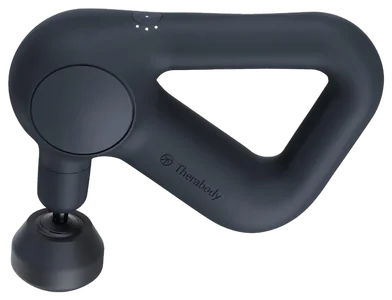
Theragun Mini — a good little percussive massager, but it’s a muscle-recovery tool rather than a skincare device, so it sits a bit outside this lineup.
Omnilux Contour Face — a well-studied flexible LED mask, but it’s a real splurge that only makes sense if you’ll commit to several sessions a week for months.
Personal care device FAQs
6 common questions, answered.
Do microcurrent devices really work?
Short-term firming effects are supported by small clinical studies and are visible in most before-after testing, but they are temporary. Results depend on consistent, near-daily use. Nothing handheld replaces professional treatments; the honest framing is “gym membership for your face.”
Are cheap red-light wands worth it?
Yes, modestly, not at clinical-trial strength. Handheld wands deliver a fraction of that dose, so expect subtle improvement in skin texture over months, not dramatic change. The Solawave is priced accordingly, which is why we recommend it as the entry point.
Which device gives the fastest visible payoff?
The electric toothbrush, plaque and gum health improvements show up at your next dental visit, and the evidence base is decades deep. Among the skincare devices, heated eye massage delivers the most immediate (if temporary) payoff.
How do I build a routine with these devices?
Attach them to habits that already exist, the entire science of device consistency. Microcurrent rides the morning skincare slot (five minutes, before moisturizer); red-light wands ride the evening serum; the eye massager replaces fifteen minutes of doomscrolling at wind-down. One device per time slot, added one at a time. Devices that demand new routines get drawered; devices that hitchhike on old ones get used.
Are these devices safe for all skin?
The picks here are broadly safe with real exceptions: microcurrent is contraindicated with pacemakers, implanted electronics, pregnancy, and active acne flares; red light is among the gentlest modalities but photosensitizing medications warrant a doctor conversation; and anyone under dermatologist care for a condition should ask first. Start at lowest intensities, follow the app guidance, and stop anything that irritates. More is not better with any of these.
Device or professional treatments, which wins?
Professionals win per session by an order of magnitude; devices win per year on cost and consistency. A $400 microcurrent device equals two professional sessions in price but delivers two hundred maintenance doses. The strategy estheticians themselves suggest: occasional professional treatments for the big pushes, home devices to hold the results between visits. Neither replaces sunscreen, which outperforms this entire page.
New guides, re-ranked picks and the month's notable changes. No weekly filler, ever.
Unsubscribe any time. Your address goes to our newsletter provider and nowhere else — see our privacy policy.
Manage Consent
To provide the best experiences, we use technologies like cookies to store and/or access device information. Consenting to these technologies will allow us to process data such as browsing behavior or unique IDs on this site. Not consenting or withdrawing consent, may adversely affect certain features and functions.
Functional
Always active
The technical storage or access is strictly necessary for the legitimate purpose of enabling the use of a specific service explicitly requested by the subscriber or user, or for the sole purpose of carrying out the transmission of a communication over an electronic communications network.
Preferences
The technical storage or access is necessary for the legitimate purpose of storing preferences that are not requested by the subscriber or user.
Statistics
The technical storage or access that is used exclusively for statistical purposes.The technical storage or access that is used exclusively for anonymous statistical purposes. Without a subpoena, voluntary compliance on the part of your Internet Service Provider, or additional records from a third party, information stored or retrieved for this purpose alone cannot usually be used to identify you.
Marketing
The technical storage or access is required to create user profiles to send advertising, or to track the user on a website or across several websites for similar marketing purposes.