The Best Wireless Earbuds, Compared From $60 to $300
The flagship tier now fights over noise cancelling while the $60 to $100 tier delivers what $250 bought three years ago. Six picks across both ends of that split.
By the BYB Editorial Team
Published July 28, 2026 · Updated · Prices checked OctoberOct 5, 2026
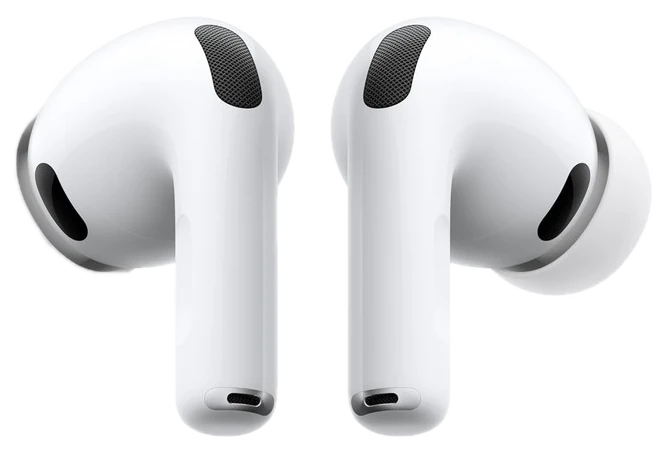
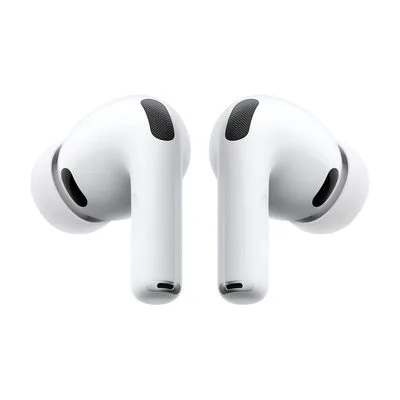
Apple AirPods Pro 3$190–250The Apple AirPods Pro 3, $190–250 — the default for iPhone owners, and now a clinical-grade hearing aid too.Check price
On Android, or if noise cancelling matters most
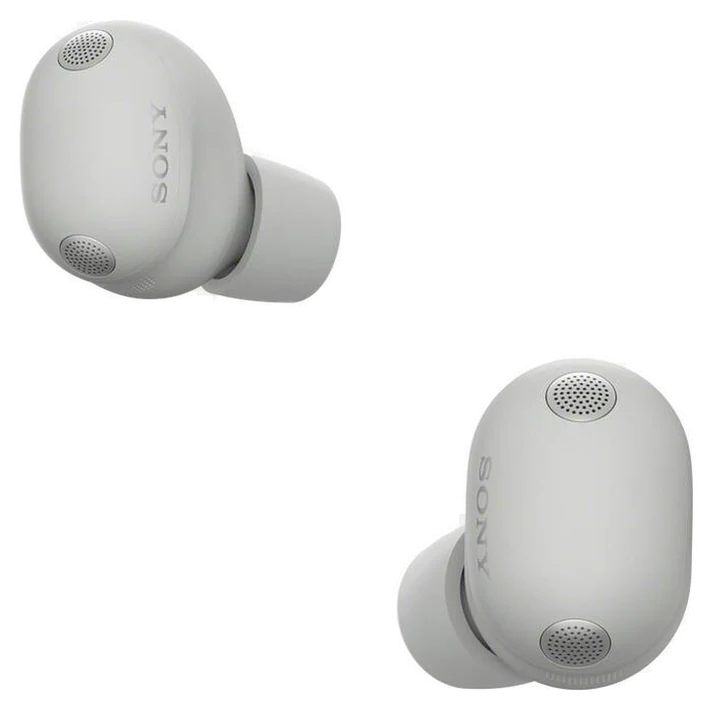
Sony WF-1000XM6$280–330The Sony WF-1000XM6, $280–330 — the best pair here.Check price
On a budget
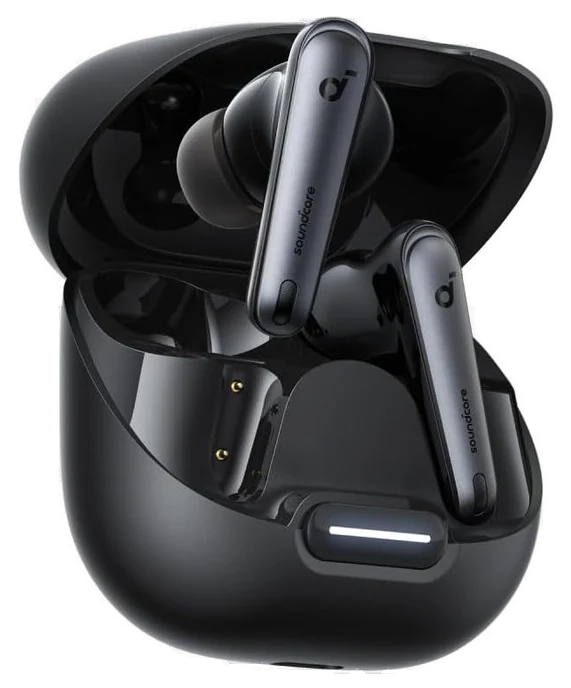
Anker Soundcore Liberty 4 NC$70–100Soundcore Liberty 4 NC ($70–100) or EarFun Air Pro 4 ($60–90) — both cancel noise well enough that most buyers stop there.Check price
Skip
Spending past $200 unless you fly, commute, or listen critically.
The flagship tier now fights over noise cancelling while the $60 to $100 tier delivers what $250 bought three years ago. Six picks across both ends of that split.
Not sure which fits you? Answer two questions
Right for you?
Which pick is right for you?
Two quick questions. The answer is the guide’s own reason for one of its picks.
How we choseWhat we compared, and how we rank
We compiled measured testing from RTINGS and SoundGuys, expert reviews and owner reliability reports. Battery degradation and connection dropouts weigh as heavily here as launch-day sound impressions. Prices move constantly, so every button pulls the live listing.
How we rank
Published specifications, verified owner reviews, and independent safety or standards data where it applies — weighted the same for every pick, never sponsored placement.
What changed1 dated note · latest 25 September 2026
CorrectedThe short version called the Sony WF-1000XM6 the best pair here, while the guide ranks the AirPods Pro 3 first as the pick for iPhone owners. It now says which to buy for which phone. No ranking or price changed.
Dated notes already published on this page, newest first. Every correction we make is logged on the corrections page.
For iPhone owners the AirPods Pro 3 are less a choice than a gravity well. Open the case and they pair instantly, audio hops between iPhone, iPad and Mac without a menu, and the H2 chip runs adaptive tricks rivals imitate without quite matching: volume that ducks when someone speaks to you, awareness modes that blend the world back in. Noise cancelling took a real leap this generation, with Apple claiming roughly double the previous model, and RTINGS’ lab measurements back that up, ranking the Pro 3 among the best noise cancelling of any earbuds it has tested.
The additions push past music. The Pro 3 carry FDA clearance as an over-the-counter hearing aid with a clinically validated hearing test built into iOS, and in-ear sensors track heart rate during workouts. Redesigned foam-infused tips in five sizes seal far better than the old silicone, alongside IP57 resistance and about eight hours with ANC on.
The catch has not changed: nearly all of it is iOS-only. On Android they become ordinary premium earbuds with no companion app, which is why Android owners should go straight to the Sony WF-1000XM6 below. Current price sits around $190 at Amazon, below the $250 list.
Strengths
Instant pairing and automatic switching across Apple devices
Noise canceling now among the very best in independent tests
FDA-cleared hearing-aid mode and workout heart-rate sensing
Foam-infused tips seal better and stay put
Tradeoffs
Most features are iOS-only, weak value on Android
No hi-res codec support for Android listeners
EQ and app control much lighter than Sony or Anker
Pick 2 of 6: No. 2Best overall~$280–330
2
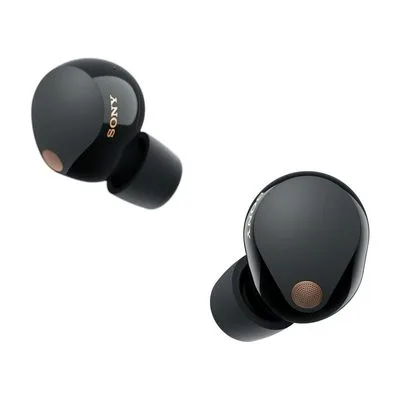
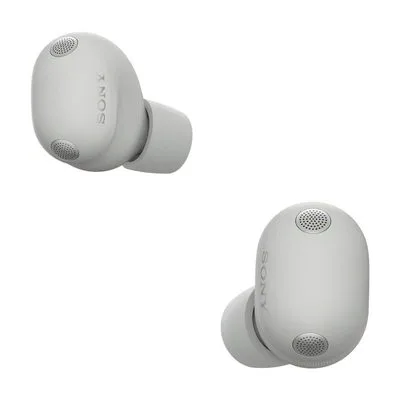
Sony WF-1000XM6
Upgrade pickBest overall
The new benchmark, measured
Get it if you want the most complete earbuds money buys right now, and $280–330 is within budget.
Skip it if you own the XM5, wait for an XM6 sale instead.
Measured testing hands the crown to the successor: the Sony WF-1000XM6 pair Sony’s best measured earbud sound to date with noise cancelling that now edges past the XM5, with the biggest gains in the low rumble and voice bands. The bigger jump is the microphones: AI beamforming makes call quality a genuine strength instead of an afterthought. The buds swap the glossy egg shape for a longer matte pill that fits more securely, the case gains flat surfaces and a metal hinge, and SoundGuys measured nine hours and 41 minutes of ANC playback against Sony’s own eight-hour claim.
The spec sheet stays the deepest here: LDAC hi-res on Android, multipoint so the buds hold a laptop and phone at once, and speak-to-chat. The caveat is generational: battery spec and codecs did not move, so XM5 owners should wait for a sale rather than upgrade, and the outgoing XM5 now floats at clearance for anyone chasing value over the last word. At $329.99 list on Amazon, they launched $30 above the XM5, and SoundGuys’ verdict is the summary: Sony’s best wireless earbuds to date.
Strengths
Sony’s best measured sound to date
ANC now edges the whole field
Calls fixed via AI beamforming mics
9h41m measured ANC battery
Tradeoffs
Touch controls still mis-tap
$30 pricier at list than the XM5
iPhone users lose LDAC
Pick 3 of 6: No. 3Quietest ANC
3
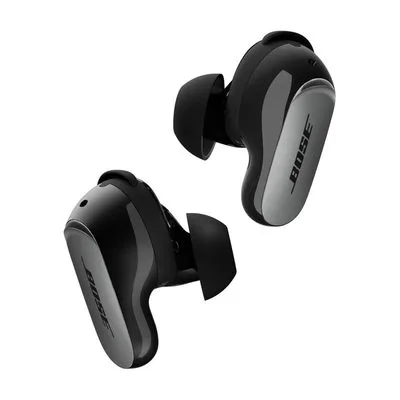
Bose QC Ultra Earbuds (2nd Gen)
Quietest ANC
Top-tier silence, now shared
Get it if silence is the priority — flights, trains, loud offices — and $250–300 fits.
Skip it if battery length matters more than depth of quiet.
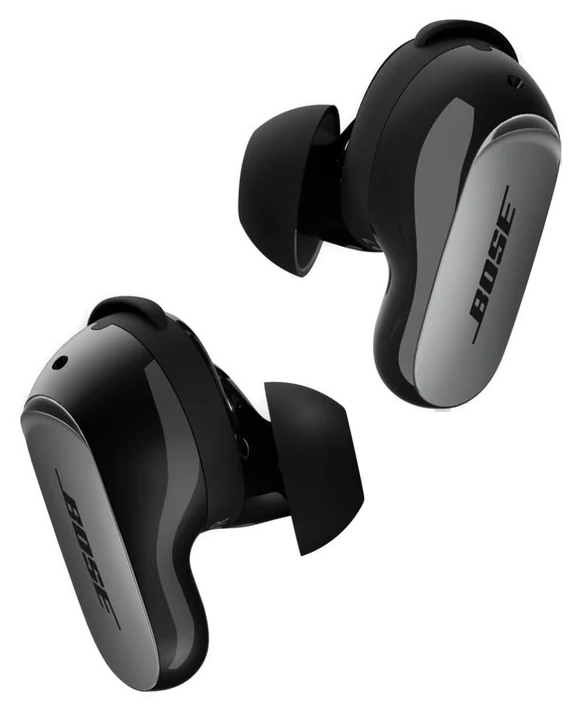
When the question is which earbuds delete the most world, Bose now shares the answer: What Hi-Fi rates the second-generation QuietComfort Ultra Earbuds and Sony’s XM6 together at the top of noise cancellation, with differences too small to hear. CustomTune still replays a calibration tone at every wear and tunes both the ANC and the sound to your ear canal, and the stability bands keep the shallow fit wearable through a full workday of cancelled office noise.
The second generation fixes the old annoyances: the case finally charges wirelessly, and Bose’s SpeechClarity processing isolates your voice on calls. The trades are unchanged: roughly six hours with ANC still trails Sony and Apple, the warm default tuning is not reference-neutral, and the app remains lighter than Sony’s. At $299 list on Amazon and $249 in the frequent sales, the value argument arrives faster than the XM6’s.
Strengths
Noise canceling tied for the lead
CustomTune calibrates to your ears
Wireless charging finally included
Clearer calls via SpeechClarity
Tradeoffs
~6-hour ANC battery trails rivals
Warm tuning out of the box
App is thinner than Sony’s
Also on the shortlist
Three more, in brief
Pick 4 of 6: No. 4Best under $100
4
Anker Soundcore Liberty 4 NC
Best under $100
Flagship features at a third of the price
Get it if you want 90% of the flagship experience and would rather keep $150.
Skip it if you need top-tier calls or the best ANC for constant travel.
The Liberty 4 NC is the budget-tier disruptor reviewers keep measuring against flagships in disbelief; SoundGuys gave it an Editor’s Choice award for closing that gap. Its adaptive noise cancelling lands within sight of earbuds costing three times as much, close enough that on a bus you would struggle to justify the difference, and the spec list reads like a $250 product: ten-hour buds, wireless charging, LDAC, and an app with full EQ plus HearID for a personal sound profile.
The compromises are honest rather than hidden. The case is chunkier than the flagships, the default tuning is bass-heavy until you spend two minutes in the EQ, and the call mics are average. None of it touches the core experience, which is why these became the default recommendation for anyone who winces at $250. At around $85 at Amazon, and regularly nearer $65 with on-page coupons, they make the are-flagships-worth-it question hard.
Strengths
Adaptive ANC close to flagship level
10-hour buds plus wireless charging at a budget price
Get it if you want 90% of the flagship experience and would rather keep $150.
Skip it if you need top-tier calls or the best ANC for constant travel.
The Liberty 4 NC is the budget-tier disruptor reviewers keep measuring against flagships in disbelief; SoundGuys gave it an Editor’s Choice award for closing that gap. Its adaptive noise cancelling lands within sight of earbuds costing three times as much, close enough that on a bus you would struggle to justify the difference, and the spec list reads like a $250 product: ten-hour buds, wireless charging, LDAC, and an app with full EQ plus HearID for a personal sound profile.
Read the full case
The compromises are honest rather than hidden. The case is chunkier than the flagships, the default tuning is bass-heavy until you spend two minutes in the EQ, and the call mics are average. None of it touches the core experience, which is why these became the default recommendation for anyone who winces at $250. At around $85 at Amazon, and regularly nearer $65 with on-page coupons, they make the are-flagships-worth-it question hard.
Strengths
Adaptive ANC close to flagship level
10-hour buds plus wireless charging at a budget price
Full EQ app with HearID personal sound profiles
LDAC hi-res support, rare under $100
Tradeoffs
Case is noticeably bulkier than the flagships
Bass-heavy default tuning needs an EQ pass
Call quality is only average
Pick 5 of 6: No. 5Budget audiophile~$60–90
5
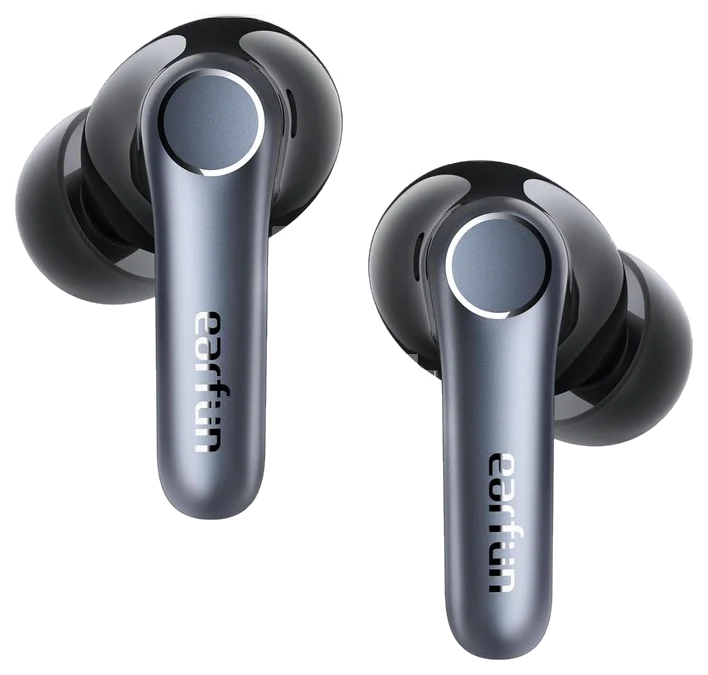
EarFun Air Pro 4
Budget pickBudget audiophile
The budget pick audio reviewers respect
Get it if sound quality per dollar is your metric, you have a recent Android phone, and $60–90 is your ceiling.
Skip it if noise cancelling strength is the reason you are upgrading.
EarFun has spent a few years becoming the budget brand audio reviewers take seriously, and the Air Pro 4 shows why. It is one of the cheapest routes to aptX Lossless, meaning bit-perfect wireless on recent Android phones, and the out-of-box tuning punches so far above its price that Tom’s Guide called its sound “gorgeous and well-balanced,” and SoundGuys ranks it ahead of earbuds costing twice as much.
The practical list holds up too: multipoint for phone and laptop, eleven-hour buds, wireless charging and Auracast readiness. The ANC is good rather than great, a clear step behind the Anker above, and the app has occasional quirks, but nothing about daily use feels sixty dollars cheap. Between the two budget picks the split is simple: the Anker cancels more noise, the EarFun arguably sounds better. At $60–90 at Amazon with near-permanent coupons, owning either opinion costs less than one flagship.
Strengths
aptX Lossless hi-res audio at a double-digit price
Get it if sound quality per dollar is your metric, you have a recent Android phone, and $60–90 is your ceiling.
Skip it if noise cancelling strength is the reason you are upgrading.
EarFun has spent a few years becoming the budget brand audio reviewers take seriously, and the Air Pro 4 shows why. It is one of the cheapest routes to aptX Lossless, meaning bit-perfect wireless on recent Android phones, and the out-of-box tuning punches so far above its price that Tom’s Guide called its sound “gorgeous and well-balanced,” and SoundGuys ranks it ahead of earbuds costing twice as much.
Read the full case
The practical list holds up too: multipoint for phone and laptop, eleven-hour buds, wireless charging and Auracast readiness. The ANC is good rather than great, a clear step behind the Anker above, and the app has occasional quirks, but nothing about daily use feels sixty dollars cheap. Between the two budget picks the split is simple: the Anker cancels more noise, the EarFun arguably sounds better. At $60–90 at Amazon with near-permanent coupons, owning either opinion costs less than one flagship.
Strengths
aptX Lossless hi-res audio at a double-digit price
Sound quality outpunches its price class
11-hour buds, multipoint, wireless charging
Tradeoffs
ANC is a clear step behind the Liberty 4 NC
Companion app has occasional quirks
Call quality is midpack
Pick 6 of 6: No. 6Best for workouts
6
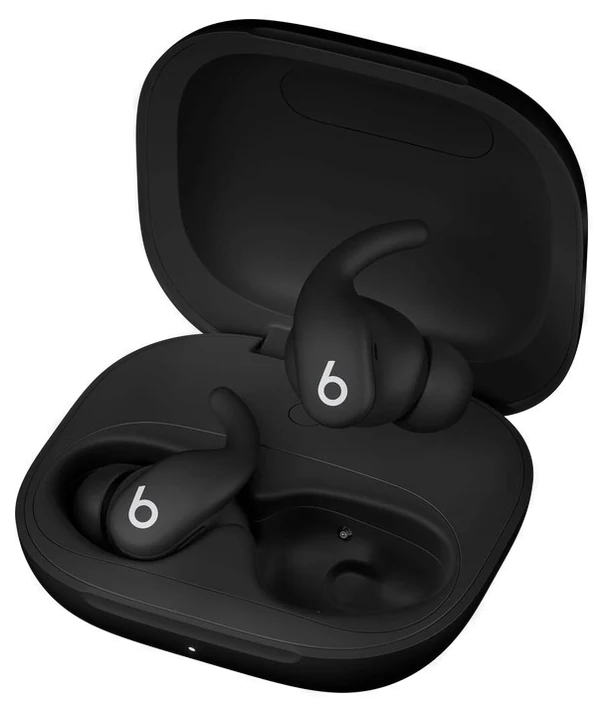
Powerbeats Fit
Best for workouts
The workout earbuds that stay put
Get it if earbuds falling out mid-workout is the problem you are solving, and $170–200 is worth it to fix that.
Skip it if you do not exercise in them, the picks above sound better per dollar.
Burpees are the real earbud benchmark, and the Powerbeats Fit passes the same way its predecessor did: flexible wingtips that nestle into the ear’s ridge and stay there through box jumps and sprints. This is the Beats Fit Pro’s direct replacement, launched October 2025 on the same H1-chip platform neutrality: instant pairing, hands-free Siri and Find My on iPhone, plus a real Android app with one-touch pairing, controls and a fit test. IPX4 sweat resistance now covers the case as well as the buds.
The tuning is bass-forward and built for movement, physical buttons work with wet fingers, and the ANC remains a generation behind the picks above but handles gym noise fine. Battery runs about seven hours per charge with thirty via the case, which still skips wireless charging. AppleInsider’s verdict is the pitch: workout security that AirPods simply cannot offer. The $199.99 list discounts to $169.99 on Amazon often enough that waiting for the sale is the move.
Get it if earbuds falling out mid-workout is the problem you are solving, and $170–200 is worth it to fix that.
Skip it if you do not exercise in them, the picks above sound better per dollar.
Burpees are the real earbud benchmark, and the Powerbeats Fit passes the same way its predecessor did: flexible wingtips that nestle into the ear’s ridge and stay there through box jumps and sprints. This is the Beats Fit Pro’s direct replacement, launched October 2025 on the same H1-chip platform neutrality: instant pairing, hands-free Siri and Find My on iPhone, plus a real Android app with one-touch pairing, controls and a fit test. IPX4 sweat resistance now covers the case as well as the buds.
Read the full case
The tuning is bass-forward and built for movement, physical buttons work with wet fingers, and the ANC remains a generation behind the picks above but handles gym noise fine. Battery runs about seven hours per charge with thirty via the case, which still skips wireless charging. AppleInsider’s verdict is the pitch: workout security that AirPods simply cannot offer. The $199.99 list discounts to $169.99 on Amazon often enough that waiting for the sale is the move.
Strengths
Wingtips stay put through anything
First-class on iPhone, real Android app
Physical buttons work mid-workout
7h buds, 30h with the case
Tradeoffs
ANC a generation behind flagships
Case skips wireless charging
Wait for the frequent $170 sales
The right pair comes down to how they fit your ears and which phone you carry, not the spec sheet.
Fit and seal first: if the tips don’t seal, you lose bass and noise cancelling no matter how good the buds are, so try the included sizes before you judge them.
Your phone picks the features: the best hands-free and audio tricks only work inside their own ecosystem, so match the buds to your phone before anything else.
Noise cancelling and battery: check real all-day comfort, five-plus hours per charge, and a case that tops them back up, since that’s what you live with daily.
The common mistake: paying flagship money out of habit; today’s $70-100 buds cancel noise well enough that most people never need to spend more.
Samsung Galaxy Buds 3 Pro — excellent buds, but the best features only wake up on a Samsung Galaxy phone, so you lose too much on anything else.
Google Pixel Buds Pro 2 — great on a Pixel, but the standout tricks lean on Google’s account and phones, so they’re not a universal pick.
Nothing Ear (a) — solid cheap buds with a fun look, but the Anker and EarFun we chose cancel noise a bit better for similar money.
Earbud buying FAQs
6 common questions, answered.
Are expensive earbuds worth it over budget pairs?
Only if you fly or commute daily — casual listeners already get 85 to 90% of flagship performance from budget leaders like the Liberty 4 NC. Budget leaders like the Liberty 4 NC now deliver 85 to 90% of flagship performance, and the last 10% costs $150. Frequent flyers and daily commuters feel that 10%. Casual listeners usually do not.
Which earbuds have the best noise canceling in 2026?
Sony’s WF-1000XM6 and the Bose QC Ultra (2nd Gen) sit together at the top of measured ANC, with the AirPods Pro 3 close behind. All three silence airplane drone convincingly, and the differences show most in voices and mid-range office noise.
How long do wireless earbuds last?
Two to four years of daily use before noticeable battery degradation, whatever the brand. Expect two to four years of daily use before noticeable degradation whatever the brand. Buy from companies that handle warranties well, and do not pay flagship prices if you replace earbuds every two years anyway.
Can I use AirPods with an Android phone?
They pair over standard Bluetooth and play audio fine, but you lose most of what you paid for: no instant pairing, no automatic switching, no hearing-health features, no fit test, and no way to change settings without an iPhone. Android owners get far more from the Sony or the Soundcore at the same price or less.
Do foam ear tips make a difference?
A bigger one than most spec-sheet features. A proper foam seal improves bass response, passive isolation and effective noise cancelling, and a leaky silicone fit can cost more performance than a $150 price-tier upgrade adds. It is much of why the Sony and Apple flagships ship foam-style tips, and $15 aftermarket foam tips are the single best upgrade for earbuds you already own.
When is the best time to buy earbuds?
Flagships discount on a predictable calendar: Prime Day, Black Friday through Cyber Monday, and the weeks after a successor launches. The Sony, Bose and Beats picks here routinely drop 20 to 30% in those windows, so waiting usually pays if you are not in a hurry. The Anker and EarFun run smaller but near-constant coupons, so buy those whenever you need them.
Sources
Who the write-ups above lean on, and where each one is cited.
SoundGuysCited for Sony WF-1000XM6, Soundcore Liberty 4 NC and EarFun Air Pro 4, and in the buying advice.
RTINGSCited for Apple AirPods Pro 3, and in the buying advice.
Tom’s GuideCited for EarFun Air Pro 4, and in the buying advice.
25Sep 2026Correction, 25 September 2026The short version called the Sony WF-1000XM6 the best pair here, while the guide ranks the AirPods Pro 3 first as the pick for iPhone owners. It now says which to buy for which phone. No ranking or price changed.Every correction we’ve made ›
Prices on this page are re-checked weekly — see the full Electronics price index for every product we cover.
Keep reading
Where to go next.
The close calls side by side, then related guides.
New guides, re-ranked picks and the month's notable changes. No weekly filler, ever.
Unsubscribe any time. Your address goes to our newsletter provider and nowhere else — see our privacy policy.
Manage Consent
To provide the best experiences, we use technologies like cookies to store and/or access device information. Consenting to these technologies will allow us to process data such as browsing behavior or unique IDs on this site. Not consenting or withdrawing consent, may adversely affect certain features and functions.
Functional
Always active
The technical storage or access is strictly necessary for the legitimate purpose of enabling the use of a specific service explicitly requested by the subscriber or user, or for the sole purpose of carrying out the transmission of a communication over an electronic communications network.
Preferences
The technical storage or access is necessary for the legitimate purpose of storing preferences that are not requested by the subscriber or user.
Statistics
The technical storage or access that is used exclusively for statistical purposes.The technical storage or access that is used exclusively for anonymous statistical purposes. Without a subpoena, voluntary compliance on the part of your Internet Service Provider, or additional records from a third party, information stored or retrieved for this purpose alone cannot usually be used to identify you.
Marketing
The technical storage or access is required to create user profiles to send advertising, or to track the user on a website or across several websites for similar marketing purposes.