No. 1: Philips OneBlade 360 Pro
The Best Men’s Grooming Tools: Trimmers, Shavers and Skin Care
Electric brushes clean better than manual, and that part is settled. What is not needed is $300 of app coaching. We compared the evidence-backed tiers and the flosser that changes checkups.
No. 1 · Our pick · For most people
The cheapest brush here being the headline pick tells you most of what the dental evidence says about spending more.
~$40–50Estimated price
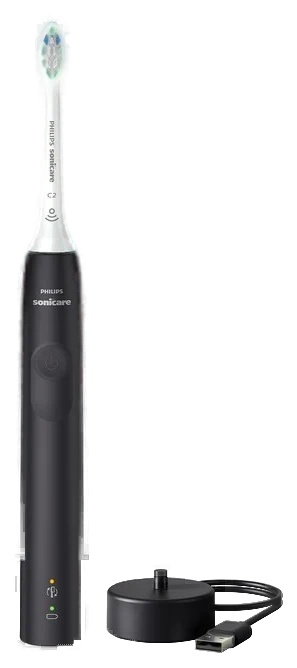 No. 1 · Best for most peoplePhilips Sonicare 4100~$40–50View on Amazon
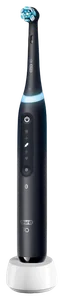
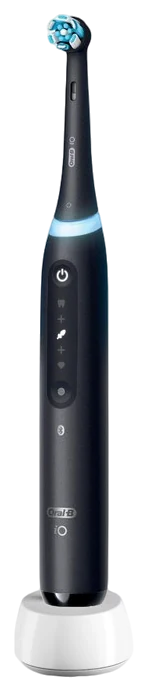 No. 2 · Best premiumOral-B iO Series~$60–400 by tierView on Amazon
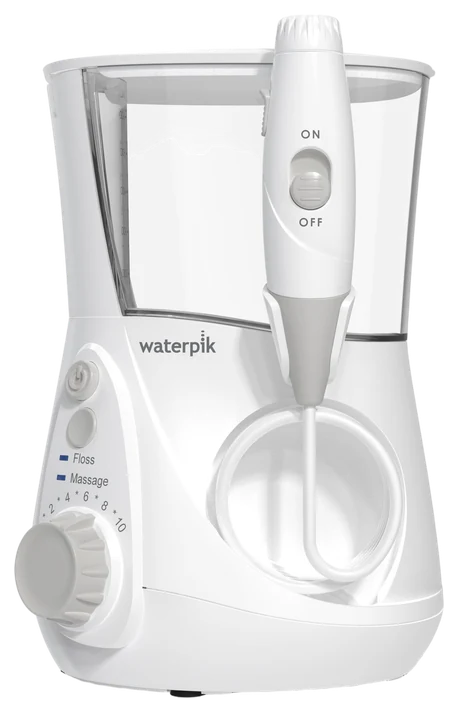 No. 3 · Best add-onWaterpik Aquarius~$60–100View on Amazon
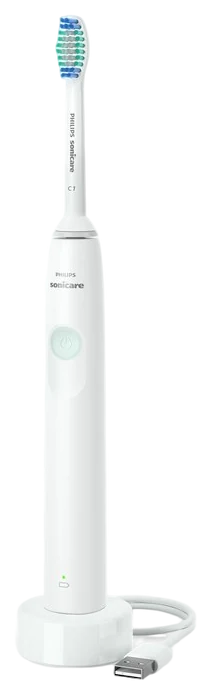 No. 4 · Best budgetSonicare 2100~$25–40View on Amazon
 No. 5 · Best for kidsSonicare for Kids~$30–35View on Amazon
| Differences | No. 1Philips Sonicare 4100 | No. 2Oral-B iO Series | No. 3Waterpik Aquarius | No. 4Sonicare 2100 | No. 5Sonicare for Kids |
|---|---|---|---|---|---|
| Price rangeon one $25–400 scale | ~$40–50 | ~$60–400 by tier | ~$60–100 | ~$25–40 | ~$30–35 |
| Type | Sonic | Oscillating | Water flosser | Sonic | Sonic |
| Head cost/yr | ~$30–40 | ~$7–15/head | ~$0 (tips yearly) | ~$30–40 | ~$25–35 |
| Standout | Timer + pressure sensor, no bloat | Smoothest clean feel in class | Gum-health difference dentists notice | Two weeks of battery, no pressure sensor | Coaching app and stickers that hold attention |
From each pick’s review below. We compared maker specs and listings, not readings we took.
We read the dental research, including Cochrane reviews on powered brushing, alongside dentist recommendations and brush-head cost math. How we chose How we verify Corrections logged publicly
Pick 1 of 5: No. 1 · Best for most people
The dentist default
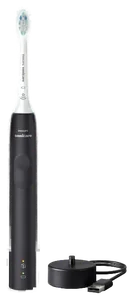
The Sonicare 4100 is the answer to which one you should buy. You get Sonicare’s sonic motion, the two-minute quadrant timer that does most of the behavioral work, and a pressure sensor that protects your gums.
Dentists point at this tier because results plateau here. Consumer Reports has tested and rated the 4100 series, and above it, plaque-removal differences are small once technique is equal. The battery runs about two weeks per charge and it is quiet.
There is no app and one mode. Heads cost less than Oral-B’s premium line and the handle lasts years. At $40 to $50 on Amazon, it is the sensible default for everyone in the house.
Pick 2 of 5: No. 2 · Best premium
The premium clean feel
If the 4100 is the rational buy, the Oral-B iO is the nicer one. The magnetic drive feels closer to a dental polish than a buzzing brush, and a light ring shows pressure as you go: green when you are right, red when you are pushing too hard.
That ring is the part that changes behavior, since over-brushing recedes gums faster than under-brushing misses plaque, and TechRadar’s reviews of the iO line have consistently praised the pressure sensor for changing how hard people brush. The round oscillating head suits people who like the scrubbed feeling. The mid-tier Series 5 to 7 models include all of it.
The app coaching is skippable and the top tiers with screens are for enthusiasts. Buy mid-tier and budget for premium heads, which are the real running cost. At $60 to $400 by tier on Amazon, with frequent sales, it is a genuine upgrade to a daily habit.
Pick 3 of 5: No. 3 · Best add-on
The checkup changer
Most people do not floss. The Waterpik Aquarius is the compromise: thirty seconds of water along the gumline each day, with ADA acceptance behind it and gum improvements hygienists tend to notice at the next cleaning.
Ten pressure settings run from gentle to firm and the reservoir covers a full session. For braces, bridges and implants it stops being optional, because string floss cannot follow that hardware.
It takes counter space, and the first week is splashy until you learn to lean over the sink and close your lips around the tip. At $60 to $100 on Amazon, it is the add-on most likely to improve your next checkup.
Pick 4 of 5: No. 4 · Best budget
The cheapest way to stop brushing manually
The picks above start at $40, and the single biggest jump in cleaning is not between a good electric brush and a better one. It is between a manual brush and any electric brush at all. The Philips Sonicare 2100 is the cheapest credible way across that line, and it is the pick for anyone who has been meaning to switch for years and never has.
It keeps the two features dentists ask for out of the sonic range: a two-minute SmarTimer, and a 30-second QuadPacer that nudges you to move to the next quadrant so you stop spending ninety seconds on the same four teeth. Battery life runs about two weeks per charge, which is useful for travel, and an LED in the handle changes color to show what is left rather than dying without warning. EasyStart ramps the intensity gently over the first fourteen uses, which is the thing that stops people abandoning an electric brush in week one.
The honest gap, and it matters: there is no pressure sensor at this price. Dentists name that alongside the timer as the feature worth having, because brushing too hard is what wears enamel and recedes gums, and the 4100 above adds it for about fifteen dollars more. If you know you are heavy-handed, spend the extra. If you are trying to stop brushing manually, the 2100 at $25 to $40 is the entry point.
Pick 5 of 5: No. 5 · Best for kids
The one that makes a child brush for the full two minutes
Every brush above is bought for an adult, and the hardest brushing problem in most households is not the adults. The Philips Sonicare for Kids exists for the specific failure where a child brushes for twenty seconds, declares it done, and nobody has the energy for the third argument that week.
It pairs over Bluetooth to a coaching app that turns the two minutes into a game, which is the mechanism that works, because the problem was never the brush and always the attention span. Two intensity modes let it start gentler for a younger mouth, and it ships with a brush head and ten stickers so the handle gets customized, which sounds trivial and is a large part of why children keep using it.
Be realistic about what you are buying. The app is the feature, so if screens at the sink are a hard no in your house, most of the value goes with it and a cheap timer brush does the mechanical part. It is also more expensive than an adult budget brush for less hardware. What it buys is compliance, and for a child who currently brushes badly, $30 to $35 against a filling is not a close call.
The best electric toothbrush is mostly the one you’ll use twice a day, and a few features matter more than the price tag.
Pick any two of the five. Rows that match say so once; the rest sit side by side, as each review states them.
Price range
~$40–50
~$60–400 by tier
Type
Sonic
Oscillating
Head cost/yr
~$30–40
~$7–15/head
Standout
Timer + pressure sensor, no bloat
Smoothest clean feel in class
6 common questions, answered.
Yes. Cochrane’s meta-analysis found powered brushes reduce plaque and gingivitis measurably more than manual brushing over time. The mechanism is ordinary: consistent motion plus a two-minute timer. It is also why $50 brushes match $250 ones clinically.
Both clean well and the difference is feel. Sonicare’s high-frequency vibration feels gentler. Oral-B’s oscillating round head feels more scrubbed. Dentist recommendations split about evenly, so pick the sensation you will use twice a day and budget for heads either way.
The ADA treats it as an effective alternative for people who will not use string floss, and better than string for braces, implants and bridges. String still edges it for tight contacts, but a flosser you use daily beats floss you leave in the drawer.
Every three months, or sooner once the bristles splay, since a worn head cleans measurably worse and the fraying is visible. Budget $20 to $40 a year per person depending on brand. Generic-compatible heads cut that further, though quality varies, so stick to well-reviewed ones.
Mostly no. The coaching apps get about two weeks of use before the phone stays on the counter, which is why the mid-tier iO Series 5 to 7 range is the sweet spot and the $300 screen-in-handle models are for enthusiasts. The features that change behavior are hardware: the two-minute timer, the quadrant pacer and the pressure sensor. All three are in every pick here.
Yes. Dentists generally encourage it from around age three with kid-sized heads, and the built-in timer settles the are-you-brushing question better than nagging does. Sonicare and Oral-B both make kid lines with smaller heads and gentler modes. Buy one handle per person, since heads are personal and handles should not be shared. The Waterpik earns its place the day braces arrive.
Who the write-ups above lean on, and where each one is cited.
Cited for Philips Sonicare 4100.
Cited for Oral-B iO Series.
We read the dental research, including Cochrane reviews on powered brushing, alongside dentist recommendations and brush-head cost math. Prices move constantly, so every button pulls the live listing.
How we rank
Published specifications, verified owner reviews, and independent safety or standards data where it applies — weighted the same for every pick, never sponsored placement.