The Best Video Doorbells for 2026:Wired or Battery, and What the Plan Costs
Video doorbells differ less in camera quality than in two decisions: battery vs. wired power, and what the brand charges monthly to store your clips. We compared both honestly across four doorbells worth mounting.
By the BYB Editorial Team
Published July 28, 2026 · Prices checked OctoberOct 12, 2026
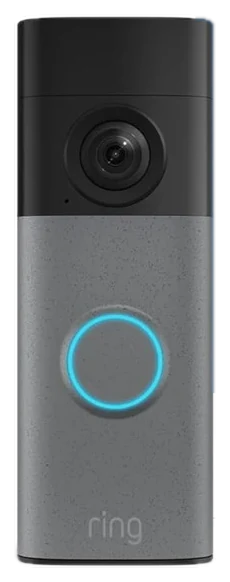
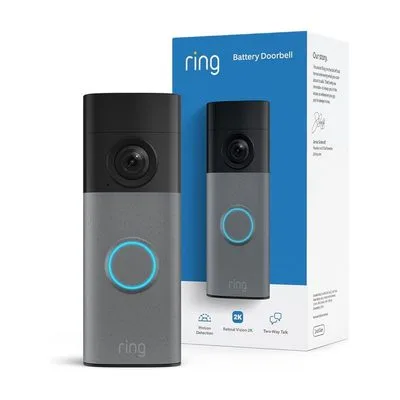
Ring Battery Doorbell$60–100The Ring Battery Doorbell, $60–100 — the one most people buy, and the one whose real price is the storage plan you sign up for a month later.Check price
No monthly fee
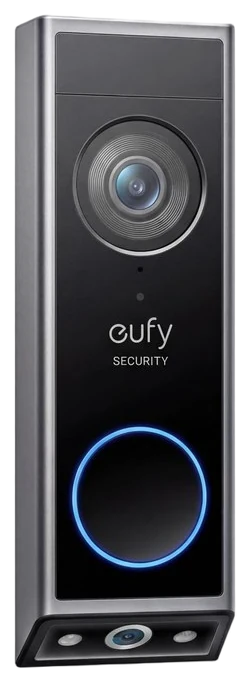
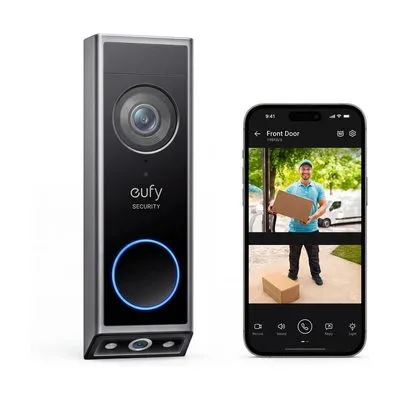
eufy Video Doorbell E340$130–180The eufy Video Doorbell E340 at $130–180 — keeps footage inside the doorbell.Check price
Skip
The wired tier, if you can’t run a wire — power and storage decide this, not resolution.
Video doorbells differ less in camera quality than in two decisions: battery vs. wired power, and what the brand charges monthly to store your clips. We compared both honestly across four doorbells worth mounting.
How we choseWhat we compared, and how we rank
We compiled video and motion-detection testing, install-difficulty reports, and full subscription math per brand. Prices are always moving, so every button and link pulls the live listing.
How we rank
Published specifications, verified owner reviews, and independent safety or standards data where it applies — weighted the same for every pick, never sponsored placement.
The Ring Battery Doorbell remains the category default for concrete reasons: a fifteen-minute installation anyone can do, the most polished app in home security, and Alexa integration that turns every Echo into a door announcer and intercom.
The current generation’s head-to-toe view finally shows the package on the mat as well as the person holding it, and the quick-release battery slides out for charging without unmounting anything. Ring’s neighborhood network effects (shared alerts, established familiarity) are real, if polarizing. TechGearLab’s testing clocked the field of view at 150 by 150 degrees but found real-world footage pixelated enough to make colors hard to judge, so treat the wide-angle spec as generous rather than gospel.
The cost is the subscription: without a plan there’s no video history at all, just live view, the eufy below exists to oppose exactly that. At $60–100 on Amazon with constant sale pricing, it’s the smoothest entry into the category.
Strengths
15-minute install
Most polished app in security
Head-to-toe package view
Deep Alexa/Echo integration
Tradeoffs
No video history without a plan
Battery needs periodic charging
Privacy record draws debate
Pick 2 of 5: No. 2Smartest alerts
2
Google Nest Doorbell
Smartest alerts
The smartest detection
Get it if alert intelligence and a real free tier top your list at $130–180.
Skip it if your home runs on Alexa, Ring integrates deeper there.
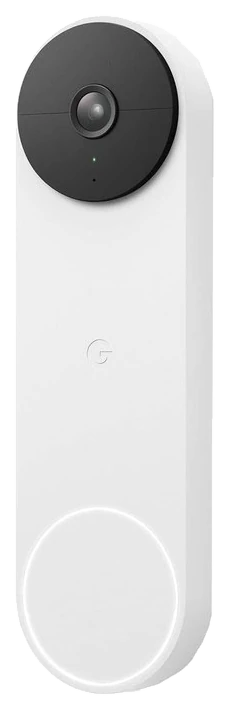
The Nest Doorbell’s detection is the class benchmark: on-device AI distinguishes people, packages, animals, and vehicles: and alerts accordingly, which translates to dramatically fewer junk notifications than motion-only rivals. Your phone buzzes when it matters.
Uniquely generous: three hours of event history comes free, so the Nest is useful without ever paying a monthly fee. A line almost no competitor will cross. The tall 3:4 view frames visitors head to toe, and Google Home routines tie it into the household. PCWorld’s Martyn Williams, testing the alerts over several weeks, reported the camera correctly caught activity every time someone walked outside or came to the door.
Longer history and familiar-face recognition sit behind the Nest Aware plan, and Apple-centric homes will find the Google gravity strong. At $130–180 on Amazon, it’s the pick for alert quality, the thing you interact with daily.
Strengths
Smartest, least-noisy alerts
Free 3-hour event history
On-device AI, fast detection
Head-to-toe 3:4 framing
Tradeoffs
Best features want Nest Aware
Google-account household assumed
Battery model charges in-place slowly
Pick 3 of 5: No. 3No monthly fees
3
eufy Video Doorbell E340
No monthly fees
The no-subscription pick
Get it if you want to own your doorbell outright at $130–180, fees included.
Skip it if deep Alexa/Google integration is the daily driver.
eufy’s pitch is arithmetic, and the E340 makes it vivid: pay once, store footage locally, never subscribe. Over three years it’s the cheapest doorbell here by a wide margin, while charging rivals quietly total hundreds in fees.
The hardware overdelivers: dual cameras (one at face height, one angled down at the mat) mean it records both the courier and the package they left (or the person who took it). 2K resolution, local AI detection, and battery-or-wired flexibility round it out. Trusted Reviews’ David Ludlow measured the top camera at 2048×1536 and the lower package-view camera at 1600×1200, and rated daytime footage sharp enough to make out real detail.
Trade-offs: no cloud backup means a stolen doorbell takes its footage along (mitigated by the optional HomeBase), and the app is functional rather than Ring-slick. At $130–180 on Amazon, it’s the buy-it-once answer, and the value verdict of this guide.
Strengths
No subscription, ever
Dual cameras watch door and mat
2K sharpness with local AI
Cheapest total cost by year two
Tradeoffs
No cloud backup by default
App less polished than Ring
Fewer ecosystem tie-ins
Also on the shortlist
Two more, in brief
Pick 4 of 5: No. 4Best wired flagship~$130–250, discounts often
4
Ring Wired Doorbell Pro
Upgrade pickBest wired flagship
The wired flagship
Get it if your door is wired and you want the polished flagship, typically $130–250.
Skip it if no wiring exists, the battery picks serve you better.
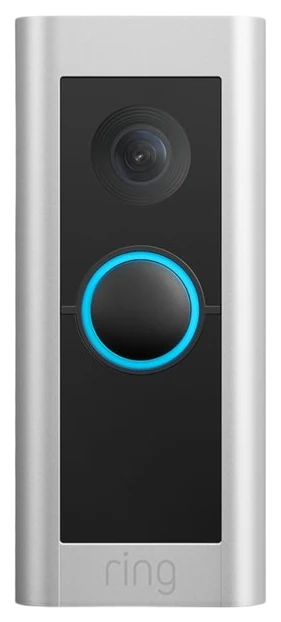
If your door already has doorbell wiring, the Ring Pro 2 is the premium play: constant power means no charging ritual ever, instant wake with zero missed-motion gaps, and the slimmest hardware profile in Ring’s lineup.
Watch the price rather than trusting a number. Ring discounts this line hard and often: checking its own store twice in one week returned $199.99 against a $249.99 list, then $129.99 against a $229.99 list. It is worth waiting for the low end, and worth not paying the high one. One naming note: Ring now sells a newer 4K model under the same “Wired Doorbell Pro” name at about $250 list; this review and these prices cover the 1536p unit, the former Video Doorbell Pro 2, so check the resolution line on whichever listing you land on.
Its 3D radar is the standout, it maps exactly where a visitor walked before ringing, enabling precise motion zones that end false alerts from sidewalks and passing cars. Head-to-toe HD+ video and the full Ring ecosystem come along.
It shares the family requirement: a subscription for any video history, plus professional-ish installation comfort with wires. At $130–250 on Amazon, it’s the set-and-forget flagship for wired homes. Everyone else starts with the battery model.
Strengths
Wired power. Never charge it
3D radar kills false alerts
Slimmest hardware in the class
Instant wake, no motion gaps
Tradeoffs
Needs existing doorbell wiring
Subscription still required for history
Premium price
Pick 4 of 5: No. 4Best wired flagship~$130–250, discounts often
Get it if your door is wired and you want the polished flagship, typically $130–250.
Skip it if no wiring exists, the battery picks serve you better.
If your door already has doorbell wiring, the Ring Pro 2 is the premium play: constant power means no charging ritual ever, instant wake with zero missed-motion gaps, and the slimmest hardware profile in Ring’s lineup.
Read the full case
Watch the price rather than trusting a number. Ring discounts this line hard and often: checking its own store twice in one week returned $199.99 against a $249.99 list, then $129.99 against a $229.99 list. It is worth waiting for the low end, and worth not paying the high one. One naming note: Ring now sells a newer 4K model under the same “Wired Doorbell Pro” name at about $250 list; this review and these prices cover the 1536p unit, the former Video Doorbell Pro 2, so check the resolution line on whichever listing you land on.
Its 3D radar is the standout, it maps exactly where a visitor walked before ringing, enabling precise motion zones that end false alerts from sidewalks and passing cars. Head-to-toe HD+ video and the full Ring ecosystem come along.
It shares the family requirement: a subscription for any video history, plus professional-ish installation comfort with wires. At $130–250 on Amazon, it’s the set-and-forget flagship for wired homes. Everyone else starts with the battery model.
Strengths
Wired power. Never charge it
3D radar kills false alerts
Slimmest hardware in the class
Instant wake, no motion gaps
Tradeoffs
Needs existing doorbell wiring
Subscription still required for history
Premium price
Pick 5 of 5: No. 5Best no-subscription pick
5
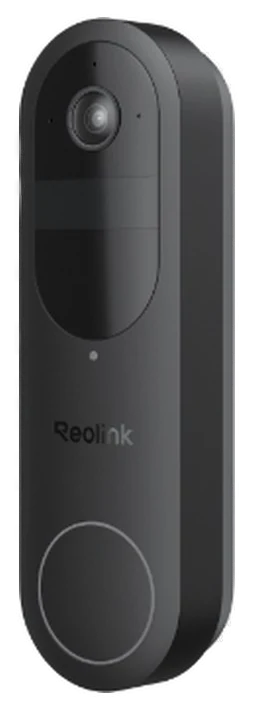
Reolink Video Doorbell (Battery)
Best no-subscription pick
No-subscription, for less
Get it if you want zero fees and room to grow storage for $90–120.
Skip it if you’re already in the Ring or Nest ecosystem.
The Reolink Video Doorbell in its battery version is the guide’s second no-subscription pick, and the cheaper way in: $119.99 list, around $90 on Amazon, with 2K video recorded to a microSD card you can grow to 256GB, against the fixed 8GB inside the guide’s eufy. Person, vehicle and package detection run on the device for free, the 7000mAh battery runs it standalone, and an 8-to-24-volt doorbell circuit can trickle-charge it so the battery worry disappears. Smart Home Junkie’s review called it a no-subscription smart doorbell done right.
The honest trades: footage lives on that card unless you add Reolink’s Home Hub or its cloud tier, so a stolen doorbell means stolen footage; hardwiring trickle-charges the battery rather than unlocking 24/7 recording; and app polish and smart-display support trail Ring and Nest, whose ecosystems are why they dominate this guide.
Note the arithmetic, though: Ring’s picks need a plan for any recorded history and Nest’s for more than three hours of it, while this one records to its own card from day one. A second-generation model landed in July 2026 at $149.99 with longer battery life, but at these prices the original is the value call.
Get it if you want zero fees and room to grow storage for $90–120.
Skip it if you’re already in the Ring or Nest ecosystem.
The Reolink Video Doorbell in its battery version is the guide’s second no-subscription pick, and the cheaper way in: $119.99 list, around $90 on Amazon, with 2K video recorded to a microSD card you can grow to 256GB, against the fixed 8GB inside the guide’s eufy. Person, vehicle and package detection run on the device for free, the 7000mAh battery runs it standalone, and an 8-to-24-volt doorbell circuit can trickle-charge it so the battery worry disappears. Smart Home Junkie’s review called it a no-subscription smart doorbell done right.
Read the full case
The honest trades: footage lives on that card unless you add Reolink’s Home Hub or its cloud tier, so a stolen doorbell means stolen footage; hardwiring trickle-charges the battery rather than unlocking 24/7 recording; and app polish and smart-display support trail Ring and Nest, whose ecosystems are why they dominate this guide.
Note the arithmetic, though: Ring’s picks need a plan for any recorded history and Nest’s for more than three hours of it, while this one records to its own card from day one. A second-generation model landed in July 2026 at $149.99 with longer battery life, but at these prices the original is the value call.
Strengths
Cheapest way to zero fees
MicroSD grows to 256GB
Free on-device detection
Battery or trickle-wired
Tradeoffs
Card-only unless you add a hub
App trails Ring and Nest
Newer 2nd gen costs $30 more
A doorbell you’ll keep depends on how it’s powered, where your video goes, and whether you’re fine paying monthly.
Battery or wired: Battery models install in minutes and move with you; wired ones never need charging but need existing doorbell wiring. Pick based on your door, not the spec sheet.
Read the subscription fine print: Many doorbells only save recordings with a paid plan. If you’d rather not pay monthly, look for local microSD storage or free basic clips.
Check your ecosystem and phone: Make sure the doorbell works with Alexa, Google, or Apple Home the way you want, and that live view pops up fast when someone’s at the door.
The common mistake, chasing resolution over field of view: A tall “head-to-toe” view that shows packages on the ground usually matters more day to day than a bigger megapixel number.
Arlo Video Doorbell 2K (2nd Gen) — sharp head-to-toe video and flexible power, but most of its smart alerts sit behind an Arlo Secure subscription, which pushed it below our picks.
Wyze Video Doorbell Pro — a cheap wireless option with a tall 1:1 view, but cloud recording needs Cam Plus and Wyze’s track record on outages gave us pause.
Aqara Video Doorbell G4 — one of the few battery doorbells with Apple HomeKit Secure Video, but it’s aimed at Apple homes and runs on AA batteries rather than a rechargeable pack.
TP-Link Tapo D230S1 — 2K video with a bundled chime and hub and no required subscription, but it’s a newer name at the door, so we’re still watching long-term reliability.
Video doorbell FAQs
6 common questions, answered.
Battery or wired video doorbell?
Wired if your home has existing doorbell wires: no charging, faster response, slimmer hardware. Battery if it doesn’t. Installation becomes a 15-minute screwdriver job anywhere. Renters and older homes drove the battery boom for exactly that reason.
Which doorbells work without a subscription?
eufy fully (local storage included) and Nest partially (free 3-hour event history). Ring requires a plan for any video history. The hardware price is only half its real cost. Over three years the difference runs $200–350.
Do video doorbells deter package theft?
Studies and insurer data suggest visible cameras shift casual theft elsewhere, and recorded evidence helps claims, but determined thieves ignore them. The dual-camera eufy and package-detecting Nest at least tell you the moment a package lands, which is the practical win.
Can I install a video doorbell in an apartment or rental?
Usually, with the right model. Battery doorbells mount with screws or no-drill adhesive plates, touch no wiring, and leave with you: the Ring Battery and eufy picks both fit that life. Peephole and door-mount adapters cover stricter buildings. Skip wired models like the Pro 2 unless the existing doorbell circuit is genuinely yours to use; that’s the landlord conversation nobody enjoys.
How do doorbell alerts work when I’m not home?
Every pick pushes motion and ring alerts to your phone wherever you are, and two-way talk means you can answer the door from a beach. The differences are in the noise: Nest’s on-device AI sends dramatically fewer junk alerts, Ring leans on adjustable zones, and eufy filters locally. Pair with an indoor Echo or Nest speaker and the doorbell rings through the house like a normal chime.
Do video doorbells work in extreme weather?
All four picks are weather-rated for rain, heat, and snow, but batteries hate the cold: below roughly 20°F, battery models drain faster and charge reluctantly: the classic January complaint in owner reviews. Cold-climate homes should favor wired power (the Pro 2, or a trickle-wire kit on battery models) and mount under an eave where possible. Heat is rarely the problem; ice storms are.
Sources
Who the write-ups above lean on, and where each one is cited.
TechGearLabCited for Ring Battery Doorbell.
Trusted ReviewsCited for eufy Video Doorbell E340.
Prices on this page are re-checked weekly — see the full Smart Home price index for every product we cover.
Keep reading
Where to go next.
The close calls side by side, then related guides.
New guides, re-ranked picks and the month's notable changes. No weekly filler, ever.
Unsubscribe any time. Your address goes to our newsletter provider and nowhere else — see our privacy policy.
Manage Consent
To provide the best experiences, we use technologies like cookies to store and/or access device information. Consenting to these technologies will allow us to process data such as browsing behavior or unique IDs on this site. Not consenting or withdrawing consent, may adversely affect certain features and functions.
Functional
Always active
The technical storage or access is strictly necessary for the legitimate purpose of enabling the use of a specific service explicitly requested by the subscriber or user, or for the sole purpose of carrying out the transmission of a communication over an electronic communications network.
Preferences
The technical storage or access is necessary for the legitimate purpose of storing preferences that are not requested by the subscriber or user.
Statistics
The technical storage or access that is used exclusively for statistical purposes.The technical storage or access that is used exclusively for anonymous statistical purposes. Without a subpoena, voluntary compliance on the part of your Internet Service Provider, or additional records from a third party, information stored or retrieved for this purpose alone cannot usually be used to identify you.
Marketing
The technical storage or access is required to create user profiles to send advertising, or to track the user on a website or across several websites for similar marketing purposes.