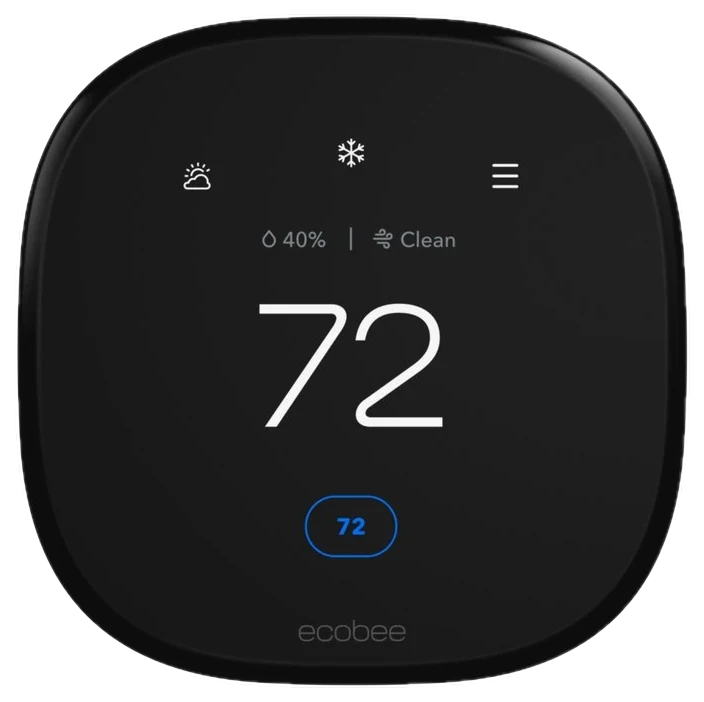
No. 1: ecobee Smart Thermostat Premium
The Best Smart Thermostats for 2026, With the Energy Savings Compared
Plugs and switches are the unglamorous infrastructure of home automation, and where reliability matters most. We compared the plug standard, the switch upgrade, the luxury dimmer and the budget fleet option.
No. 1 · Our pick
The proven plug fleet
~$25–35 for fourEstimated price
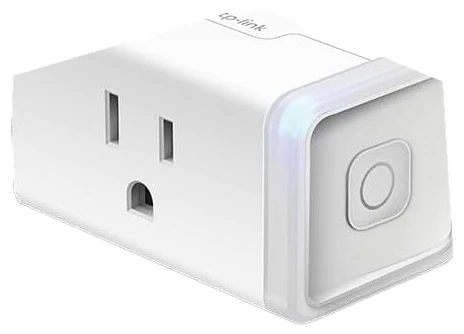 No. 1 · Best plugsKasa Smart Plug (4-pack)~$25–35 for fourView on Amazon
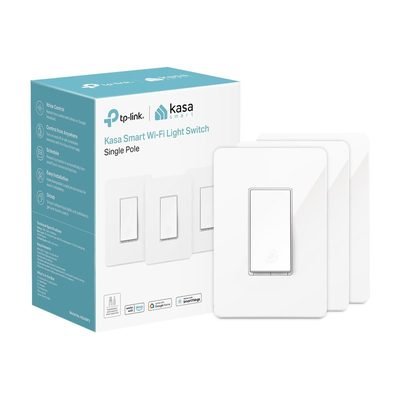 No. 2 · Best switch valueKasa Smart Light Switch~$15–25 eachView on Amazon
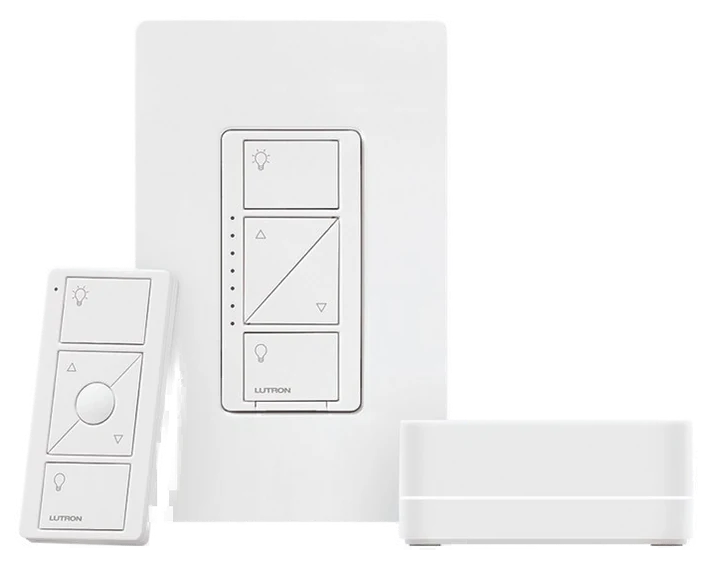 No. 3 · Most reliableLutron Caséta Dimmer~$92–120 starter kitView on Amazon
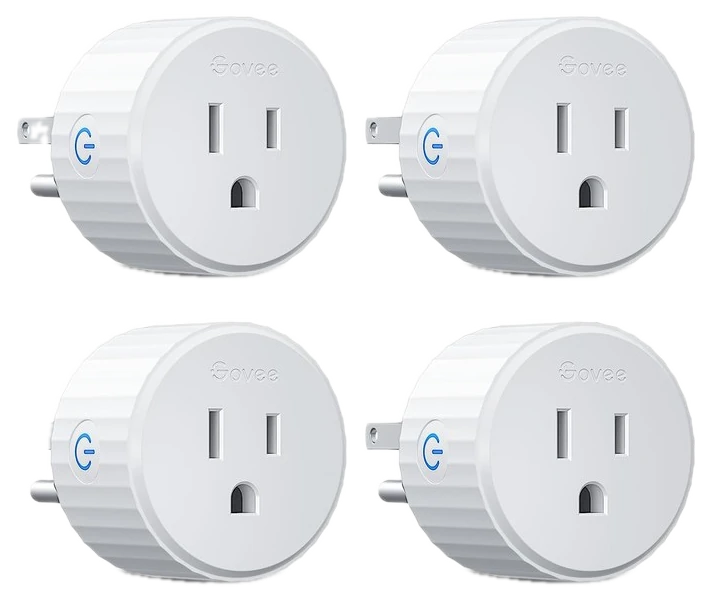 No. 4 · Best fleet expanderGovee Smart Plugs~$20–30 for fourView on Amazon
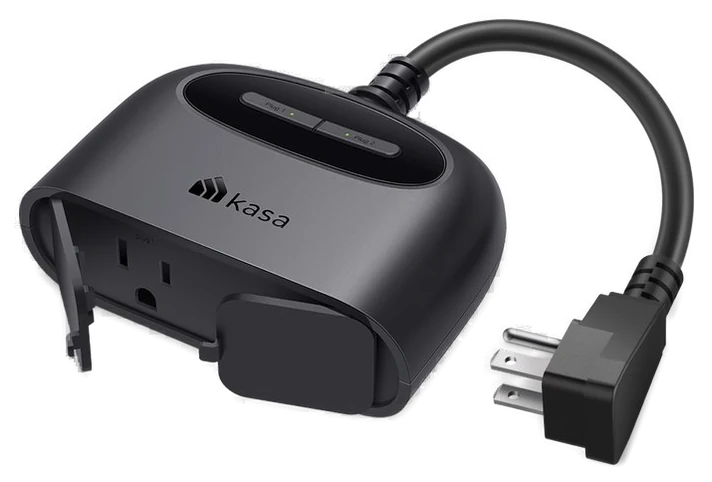 No. 5 · Best outdoor valueKasa EP40 Outdoor~$18–25View on Amazon
| Differences | No. 1Kasa Smart Plug (4-pack) | No. 2Kasa Smart Light Switch | No. 3Lutron Caséta Dimmer | No. 4Govee Smart Plugs | No. 5Kasa EP40 Outdoor |
|---|---|---|---|---|---|
| Price rangeon one $15–120 scale | ~$25–35 for four | ~$15–25 each | ~$92–120 starter kit | ~$20–30 for four | ~$18–25 |
| Type | Plug-in | In-wall switch | In-wall dimmer + hub | Plug-in | Outdoor plug (2 outlets) |
| Install | Seconds | 15–30 min DIY | DIY or pro | Seconds | Plug in, IP64 |
| Standout | Years-long reliability record | Whole-fixture control, cheap | No-neutral support, bulletproof | Cheapest per-outlet cost | Dual outlets, shared 15A |
From each pick’s review below. We compared maker specs and listings, not readings we took.
We compiled reliability histories, ecosystem compatibility, and electrician commentary on the wired picks. How we chose How we verify Corrections logged publicly
Pick 1 of 5: No. 1 · Best plugs
The proven plug fleet
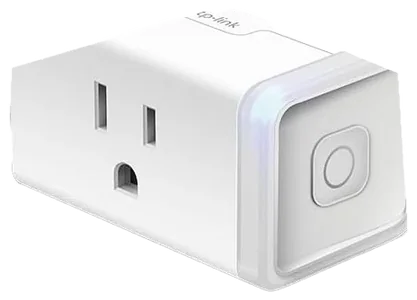
The Kasa four-pack remains the category answer and the smart home’s best first purchase: plugs that pair painlessly, survive router changes, and run schedules for years without a second thought: a reliability record the budget tier rarely matches. Wirecutter’s smart-plug testing calls Kasa’s plugs fuss-free and reliable from installation onward, the same reputation this four-pack is built on.
Lamps on sunset schedules, fans on timers, holiday lights that handle themselves, the iron you worry about from the car: four sockets of automation for pizza money. Alexa and Google integration is instant, and the compact shape doesn’t block the second outlet.
No energy monitoring on the base model (specific Kasa variants add it) and no hub means Wi-Fi-only depth. But at $25–35 for four on Amazon, this is the lowest-risk, highest-habit purchase in the entire smart home.
Next: No. 2, Kasa Smart Light SwitchTorn? Compare it with No. 2
Pick 2 of 5: No. 2 · Best switch value
The permanent upgrade
Smart bulbs die the moment someone flips the wall switch; the Kasa smart switch fixes the problem at the source. The fixture itself becomes controllable, schedulable, and voice-ready: with ordinary cheap bulbs installed and the switch working like a switch.
At $15–25 each on Amazon, Kasa’s are the value standard: reliable Wi-Fi, clean app scheduling, and a wiring job that a careful first-timer completes in twenty minutes per switch with the breaker off.
The requirement to check first: a neutral wire in the box. Most homes wired after the 1980s have one; many older homes don’t, which is exactly where the Lutron below earns its premium. Porch lights, kitchens, and hallways convert first for a reason.
Next: No. 3, Lutron Caséta DimmerTorn? Compare it with No. 3
Pick 3 of 5: No. 3 · Most reliable
The electrician’s choice
Ask electricians which smart switch they install in their own homes and Lutron Caséta wins by a landslide: its dedicated radio, deliberately not Wi-Fi, never misses, with a reliability record professional installers treat as the category ceiling. The Smart Cave’s review of the system calls it the reliable lighting solution electricians still recommend in 2026, Matter logo or not.
Dimming is flicker-free across bulb brands (a quiet engineering feat), the Pico remotes stick anywhere and run for years on a coin cell, and, crucially, Caséta works in older no-neutral homes that disqualify every Wi-Fi switch on the market.
It costs roughly double Kasa, and the hub takes an outlet and an ethernet port. But for whole-home lighting you intend to trust for a decade, the starter kit at $92–120 on Amazon is the professional-grade foundation.
Pick 4 of 5: No. 4 · Best fleet expander
The budget fleet expander
Once the automation habit takes hold, outlet count becomes the constraint, and Govee’s plugs expand the fleet at the lowest cost per socket, with solid scheduling, Alexa and Google support, and energy monitoring on select models. Android Police’s review found it does exactly what a plug needs to at the price, functional and reliable if unremarkable next to pricier rivals, the honest case for buying it as a second fleet rather than a first purchase.
They mix freely with Kasa, ecosystems this simple coexist without drama in the same app-per-brand arrangement most households tolerate fine, and Govee’s constant coupons make restocking cheap.
The app is busier than Kasa’s (Govee sells many product lines through it) and long-term track record is shorter. As the second four-pack once the first proved the habit, at $20–30 for four on Amazon, they’re exactly right.
Pick 5 of 5: No. 5 · Best outdoor value
The yard joins the schedule
The Kasa EP40 extends this guide’s Kasa backbone past the weatherstripping: an IP64-rated outdoor smart plug with two independently controlled outlets sharing a 15-amp budget, so string lights and a fountain pump can run separate schedules from one unit. It sells for $18.99 on Amazon against a $24.99 list, setup is the same Kasa app as the guide’s indoor plugs and switches, Alexa and Google work without a hub, and TP-Link rates the Wi-Fi for up to 300 feet with clear line of sight, which matters at the far end of a yard.
The body is a squat half-round with both outlets on the face under rubber flaps and a lit button per outlet on top, fed by a short built-in pigtail that helps it fit a crowded outdoor box.
The limits: TechHive’s early review liked the price but found those rubber flaps pop off too easily; it is a plug, not a dimmer; it lives on 2.4GHz Wi-Fi only; and Apple Home users need the EP40M, the $21.99 Matter version of the same hardware. For under $20 it makes every outdoor outlet as schedulable as the indoor ones, which is the point of the ecosystem this guide is built on.
Plugs and switches are the quiet workhorses of a smart home, so reliability matters more than flash. A few checks keep you from returning a box that won’t fit your wiring or your setup.
Pick any two of the five. Rows that match say so once; the rest sit side by side, as each review states them.
Price range
~$25–35 for four
~$15–25 each
Type
Plug-in
In-wall switch
Install
Seconds
15–30 min DIY
Standout
Years-long reliability record
Whole-fixture control, cheap
6 common questions, answered.
The daily-ritual devices: lamps on sunset schedules, coffee maker on a weekday timer, fans, and holiday lighting. The sleeper hit is “away mode” randomizing lamps on vacation. The burglary deterrent that costs nothing extra.
Bulbs for color and per-lamp control; switches for any fixture people operate from the wall. The failure mode to avoid: smart bulbs on dumb switches get turned off at the wall and go offline. Rooms with multi-bulb fixtures are switch territory, always.
In-wall smart switches need constant power, drawn from a neutral wire that pre-1980s homes often lack behind switch plates. Options: Lutron Caséta (works without), no-neutral-specific models, or an electrician pulling a neutral. Check before ordering. It’s the #1 returned-product cause.
Check the amp rating before anything with a heating element: most smart plugs are rated 15A/1800W, and quality space heaters at max draw sit right at that line. Kasa’s plugs handle rated loads fine, but heaters deserve the extra caution of direct wall outlets unless the plug explicitly advertises heater duty. Lamps, fans, humidifiers, and holiday lights are all comfortably trivial loads.
Models with energy monitoring, several Kasa and Govee variants, report real-time watts and monthly kilowatt-hours in the app, which turns vague suspicions about the old garage freezer into actual dollar figures. It’s the sleeper feature of the category: many owners discover one appliance paying for the entire plug fleet in identified waste. Check the specific model; not every plug includes it.
Schedules stored on the device keep firing through internet outages on quality models, and Lutron’s hub-based system barely notices, its dedicated radio doesn’t touch Wi-Fi. What always dies with the connection is remote access and voice control. If outage resilience matters (medical devices, aquariums), favor Lutron’s architecture or verify on-device scheduling before trusting anything critical.
Who the write-ups above lean on, and where each one is cited.
Cited for Kasa Smart Plug (4-pack).
Cited for Kasa EP40 Outdoor Smart Plug.
We compiled reliability histories, ecosystem compatibility, and electrician commentary on the wired picks. Prices are always moving, so every button and link pulls the live listing.
How we rank
Published specifications, verified owner reviews, and independent safety or standards data where it applies — weighted the same for every pick, never sponsored placement.