The Best Running Gear of 2026:Shoes First, Then Everything Else
Running is the cheapest sport with the most expensive accessories aisle. We cut it to the five purchases with measurable returns: the right shoes, blister-proof socks, safe audio, chafe-free carry, and the watch that makes training real.
By the BYB Editorial Team
Published July 28, 2026 · Prices checked OctoberOct 5, 2026
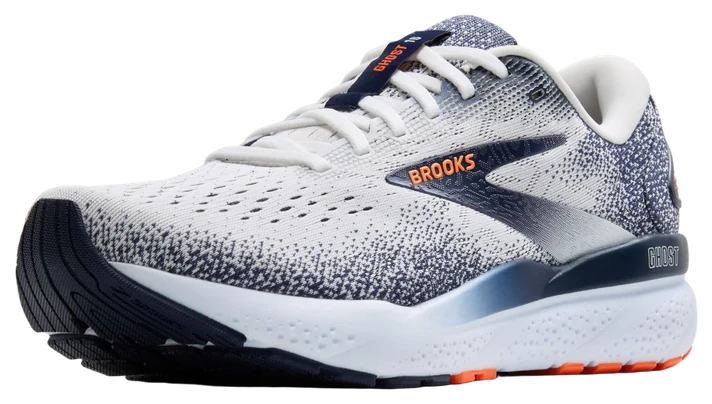
Brooks Ghost 18$110–150Shoes first: the Brooks Ghost 18, $110–150 — the neutral daily trainer that fits the widest range of feet without a gait-analysis appointment.Check price
Then socks
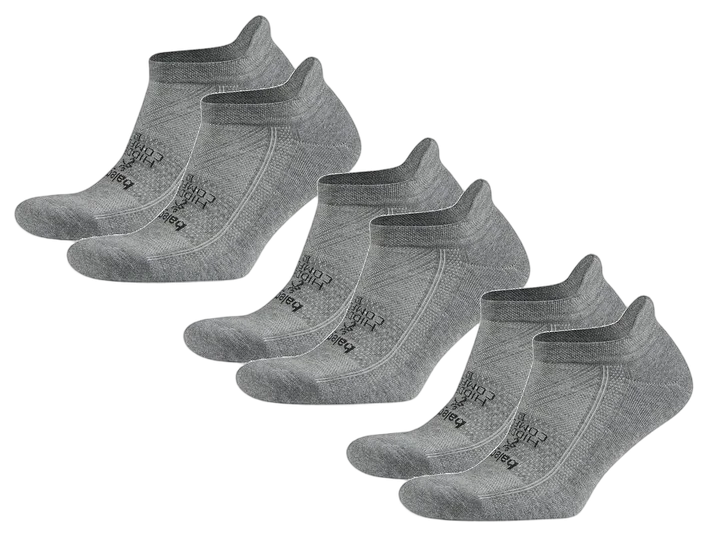
Balega Hidden Comfort$13–16Balega Hidden Comfort, $13–16 a pair — the blister fix, and it matters more than the price suggests.Check price
Buy last
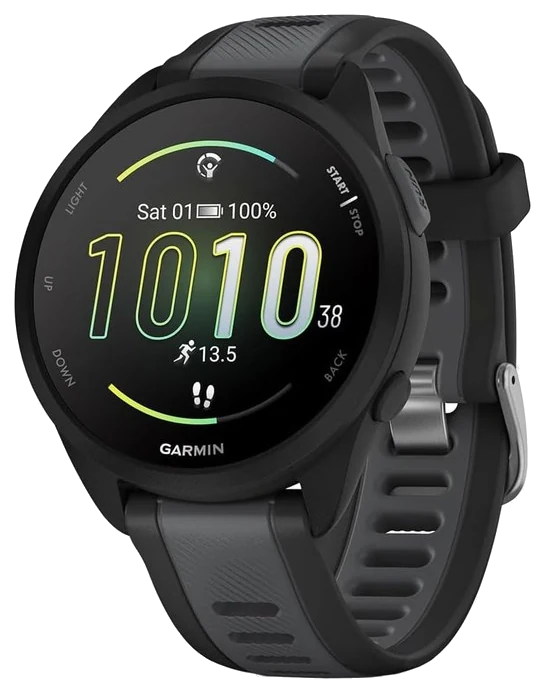
Garmin Forerunner 165$220–300Garmin Forerunner 165 at $220–300 — a watch turns running into training, but only after running is a habit.Check price
Running is the cheapest sport with the most expensive accessories aisle. We cut it to the five purchases with measurable returns: the right shoes, blister-proof socks, safe audio, chafe-free carry, and the watch that makes training real.
How we choseWhat we compared, and how we rank
We compiled wear-test results (RunRepeat, Believe in the Run), injury-prevention guidance, and marathon-volume owner reviews. Prices are always moving, so every button and link pulls the live listing.
How we rank
Published specifications, verified owner reviews, and independent safety or standards data where it applies — weighted the same for every pick, never sponsored placement.
Ask any running store for one shoe that fits the most feet with the fewest complaints, and the Brooks Ghost appears on the counter: balanced cushioning, an accommodating fit, and a ride that disappears under you. The highest compliment a daily trainer earns.
Eighteen versions of refinement show in the details: a smooth heel-to-toe transition that suits most gaits, durability that reliably clears 400-plus miles, and a fit consistent enough to reorder online blind, which is exactly what its loyalists do. Brooks lists the Ghost 18 at $150 and 10.2 ounces on a 10mm drop, and what changed this year is the upper rather than the ride: a softer flat-knit tongue, a new air-mesh upper, a new OrthoLite sockliner and an extended heel tab.
The DNA LOFT v3 midsole and the outsole carry over unchanged. RunRepeat cut a pair apart and found the claimed 10mm drop is 12.2, over 37.3mm of foam at the heel and 25.1 at the forefoot, and that the midsole stiffens about 13 per cent after a spell in the freezer, which matters if your winter runs start below zero. Their abrasion test took 0.8mm off the outsole, a result they filed as no concern at all. Four widths are offered.
That makes the value call unusually clear. RunRepeat scored the 18 an 86 and still warned that anyone hoping for a real underfoot upgrade will come away disappointed, while Believe in the Run found the weight noticeable past six to eight miles and one tester blistered in a narrow toe box.
Since the foam and outsole did not change, the outgoing Ghost 17 at about $110 is the smarter buy for most people, and the 18 at about $150 on Amazon is worth the difference only if you want the new tongue and sockliner. Either way it stays deliberately unexciting, with no carbon plate and no maximal-foam experiment, and speed-day runners still end up adding a racier second shoe.
Strengths
Running-store default for most feet
Reliable 400+ mile durability
Disappears-underfoot neutral ride
Last-gen versions are steals
Tradeoffs
Deliberately unexciting ride
Not a racing shoe
Colorways sell out oddly
Pick 2 of 5: No. 2Best under $20~$13–16 per pair
2
Balega Hidden Comfort
Budget pickBest under $20
The blister eraser
Get it if you run at all. Socks are the injury layer nobody respects.
Skip it if you’ve already converted to running socks, carry on.
Cotton socks cause more running injuries than bad shoes, blisters end more training weeks than shin splints, and Balega’s Hidden Comfort are the specialty-store standard fix: seamless toes, a heel tab that blocks slippage, moisture management that manages.
The cushioning survives a hundred washes (the review base is full of multi-year pairs), and the fit stays put through hill repeats. It’s the cheapest meaningful upgrade in the entire sport.
The knit is 84 per cent recycled polyester with 14 per cent nylon and 2 per cent elastane, and Balega’s own care instruction is stricter than most people assume: machine wash cold, hang dry, no tumble drier at all, because heat is what kills the elastane holding the fit. Buy by the chart rather than by habit, too, since the sizes are labeled by gender and the XL is men’s 12 to 14 only.
They cost triple a multipack of cotton, approximately the price of one skipped blister. At $13–16 per pair on Amazon, buy three pairs and retire the cotton to lawn-mowing duty.
Strengths
Ends the blister era
Seamless toe, no-slip heel tab
Survives a hundred washes
Cheapest upgrade in running
Tradeoffs
Triple cotton-sock pricing
Addictive. Cotton feels wrong after
Air-dry to maximize lifespan
Pick 3 of 5: No. 3Best running audio
3
Shokz OpenRun
Best running audio
Audio that leaves your ears open
Get it if you run roads and want audio without deafness to danger.
Skip it if immersive music is the point, sealed buds at home on the treadmill.
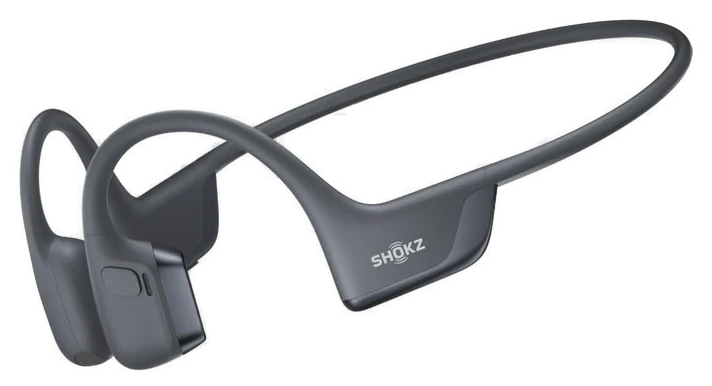
Shokz OpenRun sends sound through your cheekbones, leaving ears open to traffic, trail cues, and other humans: the safety argument that made bone conduction the road-runner standard and the only audio format many races allow.
They never fall out because there’s nothing in your ear to fall, sweat-proofing is genuine, and the eight-hour battery outlasts any long run. Podcasts and coaching audio are the sweet spot; the situational awareness is the feature you stop noticing until you switch back. They weigh 26 grams and hold two devices at once over Bluetooth 5.1, so a phone and a laptop can share them.
The catch every owner meets eventually is the charger: a proprietary two-pin magnetic cable, and losing it means ordering another rather than borrowing one. SoundGuys, who scored them 7 out of 10, flagged two quirks worth expecting — glasses arms compete for the same space behind the ear, and chewing changes the sound.
Audio quality is good rather than audiophile, open-ear physics caps the bass, and windy days add noise. Shokz lists the OpenRun at $129.95 with eight hours of battery, a 1.5-hour charge and an IP67 rating you can rinse under a tap. The step up is now the OpenRun Pro 2 at $179.95, which buys twelve hours, a faster charge and more low end, though it drops to IP55, so it is the less rugged of the two in the rain.
Shokz has retired the older OpenRun Pro from its own lineup, so ignore it unless a clearance price is low. At about $130 on Amazon, the base model is still the audio answer for anyone who runs where cars exist.
Strengths
Ears stay open to traffic
Race-legal in events that ban buds
Nothing in-ear to fall out
Sweat-proof
Tradeoffs
Bass-light by physics
Wind noise at speed
Band shape vs. some helmets
Also on the shortlist
Two more, in brief
Pick 4 of 5: No. 4Best carry fix
4
FlipBelt
Best carry fix
The phone-carry problem, solved
Get it if your runs outgrew your pockets.
Skip it if shorts with good zip pockets already solved you.
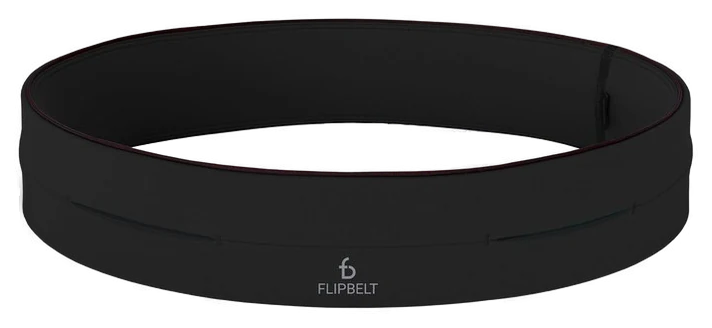
Phones killed the armband and the FlipBelt buried it: a stretchy tube you step into that holds phone, keys, and gels flat against your waist with zero bounce: the claim every reviewer tests skeptically and confirms.
Every runner who tries one files the same review: “why did I wait.” Multiple slot openings distribute the load, nothing rattles, and it doubles for travel, concerts, and dog walks: anywhere pockets fail. The fabric is 92 per cent micropoly and 8 per cent Lycra, and FlipBelt’s own care page asks for a cold wash and a line dry — the tumble drier is what turns a snug belt into a loose one after a season.
The Classic hides an internal key hook; the Zipper version is slightly wider and trades that hook for a zip-closed pocket. The tube swallows a phone the size of an iPhone 17 Pro Max, though a bulky protective case fights it going in.
Sizing matters (it should be snug; check the chart) and the phone takes two seconds longer to extract than a pocket. At $25–44 on Amazon, it’s the logistics fix for every run past three miles.
Skip it if shorts with good zip pockets already solved you.
Phones killed the armband and the FlipBelt buried it: a stretchy tube you step into that holds phone, keys, and gels flat against your waist with zero bounce: the claim every reviewer tests skeptically and confirms.
Read the full case
Every runner who tries one files the same review: “why did I wait.” Multiple slot openings distribute the load, nothing rattles, and it doubles for travel, concerts, and dog walks: anywhere pockets fail. The fabric is 92 per cent micropoly and 8 per cent Lycra, and FlipBelt’s own care page asks for a cold wash and a line dry — the tumble drier is what turns a snug belt into a loose one after a season.
The Classic hides an internal key hook; the Zipper version is slightly wider and trades that hook for a zip-closed pocket. The tube swallows a phone the size of an iPhone 17 Pro Max, though a bulky protective case fights it going in.
Sizing matters (it should be snug; check the chart) and the phone takes two seconds longer to extract than a pocket. At $25–44 on Amazon, it’s the logistics fix for every run past three miles.
Strengths
Zero bounce
Swallows phone, keys, gels
No buckles or rattles
Doubles for travel days
Tradeoffs
Size it snug or regret it
Slower phone access
Hand-wash preferred
Pick 5 of 5: No. 5Best running watch~$220–300
5
Garmin Forerunner 165
Upgrade pickBest running watch
The watch that makes training stick
Get it if you’ve started caring about pace. That’s the signal.
Skip it if you’re in week two of running, the phone suffices.
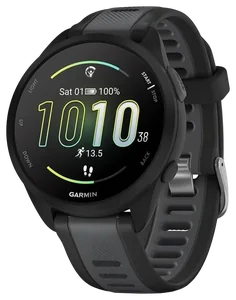
The Garmin Forerunner 165 is where jogging becomes training: accurate multi-GNSS pace and distance, daily suggested workouts that adapt to your recovery, and race-time predictions that quietly gamify consistency.
It’s the difference between running sometimes and training toward something, the structure beginners think they’ll add later and then never do. Eleven-day battery means it also survives as your everyday watch, and the AMOLED screen reads in full sun. DC Rainmaker’s in-depth review found its GPS traces virtually identical to watches carrying pricier multiband receivers, and the optical heart rate solid except during cold-weather intervals and the opening minutes of a run.
What you give up against the pricier Forerunners is the coaching layer rather than the sensors: there is a barometric altimeter and overnight HRV status, but no Training Readiness, Training Status or ClimbPro. It weighs 39 grams and holds about 19 hours of GPS.
Garmin’s follow-up, the Forerunner 170, arrived in May 2026 at a $299.99 list — a software-and-price move rather than new hardware: same screen, case and heart-rate sensor, with the newer Garmin OS adding Training Readiness, Training Status, wrist-based Running Power and the coaching plans. Its smartwatch battery is rated a day shorter. With the 165 routinely around a hundred dollars cheaper, it stays our pick; step up to the 170 only if the coaching layer is the point.
It’s the priciest item on this page, and casual joggers don’t need it yet, the phone tracks fine at first. At $220–300 on Amazon, buy it the week you catch yourself caring about pace.
Get it if you’ve started caring about pace. That’s the signal.
Skip it if you’re in week two of running, the phone suffices.
The Garmin Forerunner 165 is where jogging becomes training: accurate multi-GNSS pace and distance, daily suggested workouts that adapt to your recovery, and race-time predictions that quietly gamify consistency.
Read the full case
It’s the difference between running sometimes and training toward something, the structure beginners think they’ll add later and then never do. Eleven-day battery means it also survives as your everyday watch, and the AMOLED screen reads in full sun. DC Rainmaker’s in-depth review found its GPS traces virtually identical to watches carrying pricier multiband receivers, and the optical heart rate solid except during cold-weather intervals and the opening minutes of a run.
What you give up against the pricier Forerunners is the coaching layer rather than the sensors: there is a barometric altimeter and overnight HRV status, but no Training Readiness, Training Status or ClimbPro. It weighs 39 grams and holds about 19 hours of GPS.
Garmin’s follow-up, the Forerunner 170, arrived in May 2026 at a $299.99 list — a software-and-price move rather than new hardware: same screen, case and heart-rate sensor, with the newer Garmin OS adding Training Readiness, Training Status, wrist-based Running Power and the coaching plans. Its smartwatch battery is rated a day shorter. With the 165 routinely around a hundred dollars cheaper, it stays our pick; step up to the 170 only if the coaching layer is the point.
It’s the priciest item on this page, and casual joggers don’t need it yet, the phone tracks fine at first. At $220–300 on Amazon, buy it the week you catch yourself caring about pace.
Strengths
Adaptive daily workout guidance
Accurate multi-band GPS
11-day battery, sunlight AMOLED
Race predictions motivate
Tradeoffs
Real money for a maybe-hobby
Depth overwhelms day one
Garmin app has a learning curve
Running gear is simple, but the wrong shoe or a bad chafe spot can sideline you, so get the few things that touch your body right.
Fit over hype: The right shoe is the one that fits your foot and stride, not the one with the best reviews or the boldest color.
Stay comfortable: Blisters and chafing end more runs than fitness does, so sort out your socks, seams, and skin before you add miles.
Be seen and safe: If you run early or late, reflective gear and a way to be spotted matter as much as your pace.
Common mistake: New runners overbuy tech and underbuy the basics; good socks and anti-chafe balm prevent more misery than any watch.
Nathan QuickStart Hydration Vest — once your runs pass an hour, carrying water beats planning routes around fountains, and it barely bounces.
Body Glide — a cheap balm that stops chafing before it starts; skip it and a long run can leave you raw.
Goodr OG — running sunglasses that don’t slip or bounce and don’t cost enough to cry over if you lose them.
Noxgear Tracer2 — a light-up, 360-degree vest so cars see you on dark morning and evening runs.
Running gear FAQs
6 common questions, answered.
How often should running shoes be replaced?
Every 300–500 miles, the midsole foam dies invisibly before the outsole looks worn, and dead foam correlates with injury flare-ups. Track mileage in any running app; when knees and shins start whispering, the shoes are usually shouting.
Are bone-conduction headphones safe for racing?
They’re the only style many races explicitly allow, precisely because your ears stay open. Audio quality trails in-ear buds for music depth, podcasts and audiobooks are their sweet spot, and for traffic-adjacent running the awareness trade is decisively worth it.
Do I need a running watch as a beginner?
No. A phone app covers the first months free. Buy the watch when consistency arrives and structure would help: the adaptive daily workouts and recovery guidance on a Forerunner are what turn three random runs a week into progress toward a race.
What should a beginning runner buy first?
Shoes and socks, full stop, the Ghost and a three-pack of Balegas cover the injury-prevention layer for about $170, and everything else is optional for a month. Add the FlipBelt when runs pass three miles (logistics start mattering), audio when boredom threatens the habit, and the watch when you catch yourself curious about pace. That curiosity is the sign you’ve become a runner. Gear bought in this order gets used; gear bought all at once gets stored.
How do I avoid blisters and chafing on longer runs?
Three layers of defense: synthetic socks (the Balega pick, cotton is the enemy), shoes a half-size up from dress shoes (feet swell a full size on long runs; blackened toenails are the tuition for skipping this), and anti-chafe balm anywhere skin meets skin or seam past an hour. New gear gets tested on short runs first. Race day is never the debut. Persistent hot spots in the same place usually mean a lacing or fit fix, and a running store will solve it free.
What running gear matters in bad weather?
Less than the catalog suggests: a brimmed cap and a light shell handle rain (skin dries; chafed skin doesn’t: hence the balm), layers beat one heavy jacket in cold, and the Shokz keep working where sweat-slicked earbuds bail. The real winter purchase is visibility, reflective anything plus the headlamp aisle, because drivers, not weather, are the actual hazard. Treadmill days are legitimate running; the walking-pad crowd figured that out first.
Sources
Who the write-ups above lean on, and where each one is cited.
DC RainmakerCited for Garmin Forerunner 165, and in the buying advice.
New guides, re-ranked picks and the month's notable changes. No weekly filler, ever.
Unsubscribe any time. Your address goes to our newsletter provider and nowhere else — see our privacy policy.
Manage Consent
To provide the best experiences, we use technologies like cookies to store and/or access device information. Consenting to these technologies will allow us to process data such as browsing behavior or unique IDs on this site. Not consenting or withdrawing consent, may adversely affect certain features and functions.
Functional
Always active
The technical storage or access is strictly necessary for the legitimate purpose of enabling the use of a specific service explicitly requested by the subscriber or user, or for the sole purpose of carrying out the transmission of a communication over an electronic communications network.
Preferences
The technical storage or access is necessary for the legitimate purpose of storing preferences that are not requested by the subscriber or user.
Statistics
The technical storage or access that is used exclusively for statistical purposes.The technical storage or access that is used exclusively for anonymous statistical purposes. Without a subpoena, voluntary compliance on the part of your Internet Service Provider, or additional records from a third party, information stored or retrieved for this purpose alone cannot usually be used to identify you.
Marketing
The technical storage or access is required to create user profiles to send advertising, or to track the user on a website or across several websites for similar marketing purposes.