No. 1: Brooks Ghost 18
The Best Running Gear of 2026: Shoes First, Then Everything Else
New irons are the most expensive way to improve at golf and rarely the fastest. We compared launch-monitor data, USGA-conforming device rules, and long-term owner reports to find the gear that actually moves your handicap.
No. 1 · Our pick · For most people
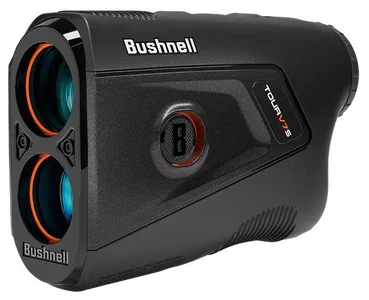
The Bushnell Tour V7 Shift, about $400, with the outgoing V5 still floating around at $270–320 if you’d rather have last year’s laser than none.
~$400, V5 run-out $270–320Estimated price
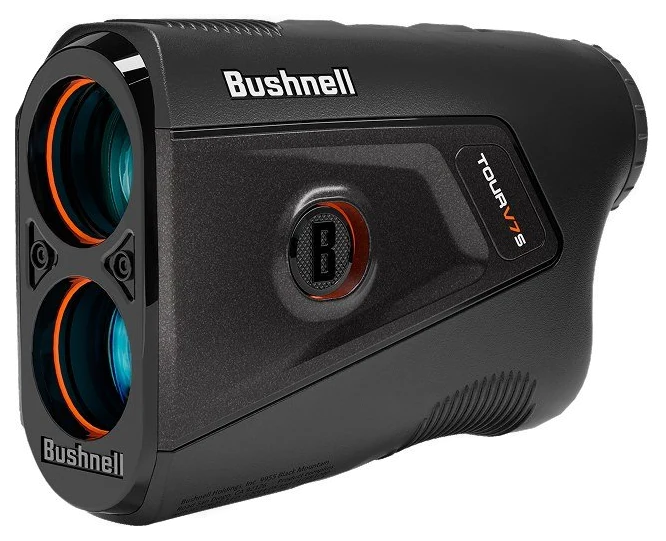 No. 1 · Best overall buyBushnell Tour V7 Shift~$400, V5 run-out $270–320View on Amazon
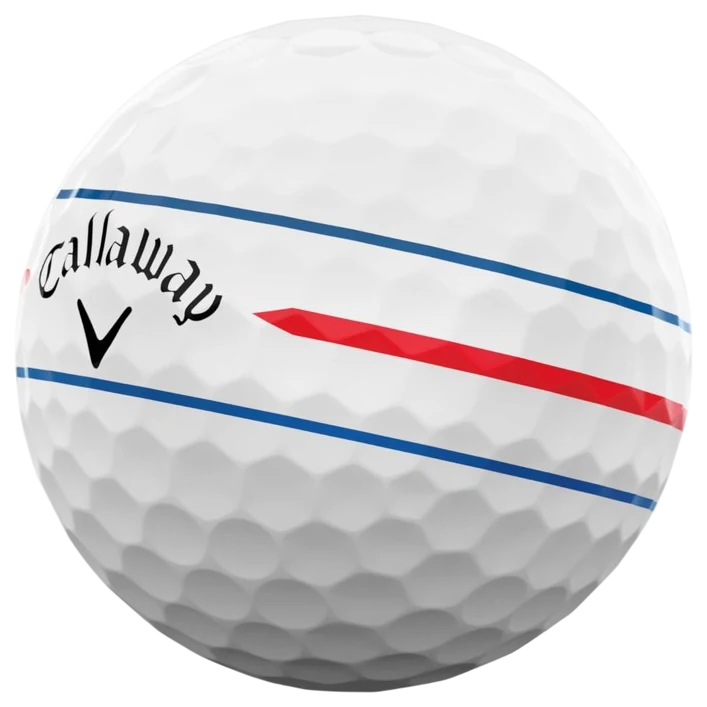 No. 2 · Best ballsCallaway Chrome Soft~$45–55/dzView on Amazon
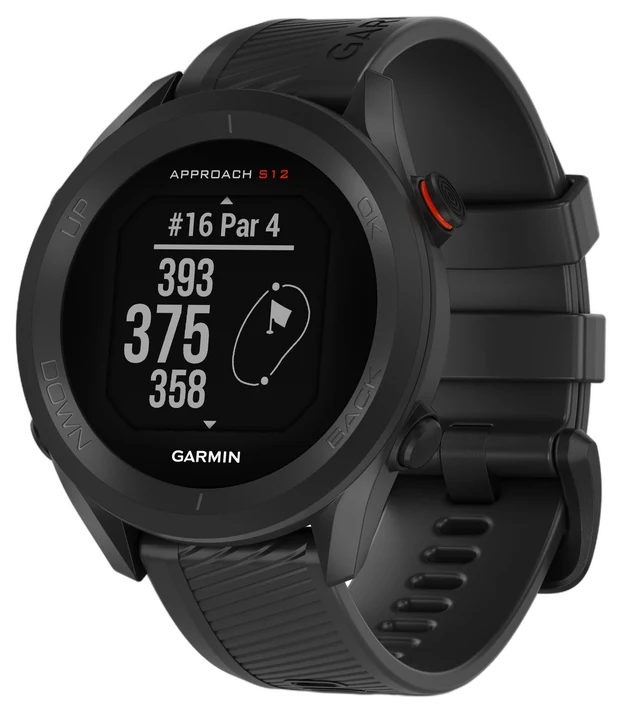 No. 3 · Best value techGarmin Approach S12~$150–200View on Amazon
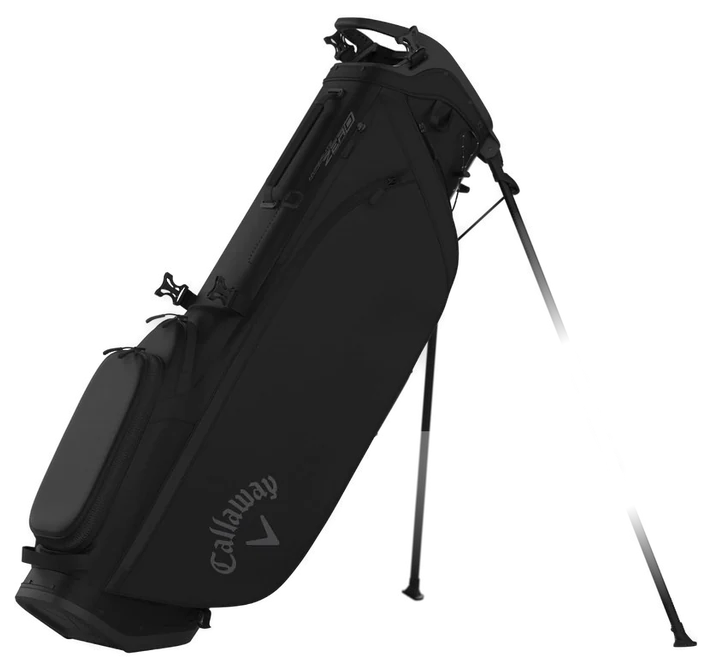 No. 4 · Best bagCallaway Hyperlite Bag~$200–260View on Amazon
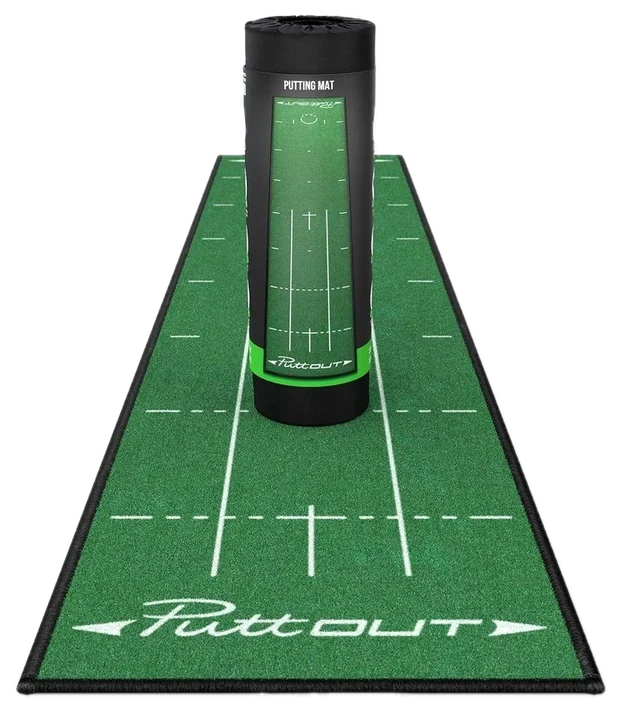 No. 5 · Best practice buyPuttOUT Mat~$60–100View on Amazon
| Differences | No. 1Bushnell Tour V7 Shift | No. 2Callaway Chrome Soft | No. 3Garmin Approach S12 | No. 4Callaway Hyperlite Bag | No. 5PuttOUT Mat |
|---|---|---|---|---|---|
| Price range | ~$400, V5 run-out $270–320 | ~$45–55/dz | ~$150–200 | ~$200–260 | ~$60–100 |
| Job | Exact distances | Every shot | Course distances | Carrying clubs | Putting practice |
| Standout | Slope you can switch off for competition | Tour urethane, softer feel | Preloaded courses, long battery | Ultralight, dual-strap comfort | Instant feedback on start line |
From each pick’s review below. We compared maker specs and listings, not readings we took.
We compiled independent launch-monitor and rangefinder accuracy testing, USGA conformity rules for distance-measuring devices, and long-term owner reliability reports across full seasons of play. How we chose How we verify Corrections logged publicly
Pick 1 of 5: No. 1 · Best overall buy
Knowing the number is worth more than swinging harder
Amateur golfers miss greens far more often from choosing the wrong club than from swinging it badly, and the fix is information. The Bushnell Tour V7 Shift is the current top of Bushnell’s laser line, and its JOLT vibration confirms you’ve locked the flag rather than the tree behind it, the single feature that separates a trustworthy reading from a guess. Bushnell rates it to a yard, out to 1,300, with 500-plus yards of flag lock.
The Shift in the name is a physical switch on the side of the body, and it is the reason to buy this one over a cheaper laser. Slope on gives you elevation-compensated numbers for practice rounds; slope off makes it a USGA-conforming device that is legal for tournament play. Golf Monthly’s tester noted the switch sits where a playing partner can see its position, which is exactly what you want when someone asks. Check your competition’s rules, but one unit now covers both jobs.
The other change is the display: a dual-color OLED that puts the actual yardage and the slope-adjusted yardage in different colors, so you are not squinting at two numbers in the same grey. Plugged In Golf called it Bushnell’s fastest rangefinder yet, with the reading appearing the instant you release the power button, and accuracy outstanding. The BITE magnet still clamps it to a cart bar, and it runs on a single CR-2.
If you want the older unit, the Tour V5 is still out there at $270–320. It is off Bushnell’s lineup page and stock is fading, so treat it as a run-out bargain rather than a current product.
Next: No. 2, Callaway Chrome SoftTorn? Compare it with No. 2
Pick 2 of 5: No. 2 · Best balls
The one piece of equipment you use on every single shot
The ball is the only equipment involved in every stroke you take, which makes it the highest-leverage thing in the bag, and Callaway Chrome Soft is the tour-caliber option that doesn’t price like the category leader. The urethane cover is what generates real greenside spin; two-piece distance balls physically cannot do it. MyGolfSpy’s independent robot testing consistently ranks Chrome Soft among the higher-spinning tour balls on iron shots, the mechanism behind the greenside control described here.
Chrome Soft has a notably soft feel off the putter and wedges, which matters most on putts and short pitches where feedback drives touch. Mid-handicappers tend to notice the difference around the green long before they notice anything off the tee.
Honest caveat: if you lose more than a couple of balls per round, tour-priced balls are a tax on your slice rather than an investment, play the cheaper surlyn models until the ball stays in play. At $45–55 a dozen on Amazon, it’s the cheapest genuine performance upgrade in golf, once you can keep them.
Pick 3 of 5: No. 3 · Best value tech
Every distance on every hole, without lifting a laser
A rangefinder tells you one distance at a time; the Garmin Approach S12 shows front, middle, and back of the green plus hazard distances the moment you reach your ball, from 42,000-plus preloaded courses with no subscription attached.
The deliberate simplicity is its strength: a crisp monochrome screen, weeks of battery rather than a nightly charge, and a scorecard that keeps stats without you doing anything. For most golfers this replaces the laser entirely at half the price, and the shot-tracking history quietly reveals which club is letting you down.
It won’t give you the precise flag distance a laser does. Greens data is to the middle, not the pin. Purists carry both. At $150–200 on Amazon, it’s the best value in golf technology, and the easier of the two to use at pace.
Next: No. 4, Callaway Hyperlite BagTorn? Compare it with No. 4
Pick 4 of 5: No. 4 · Best bag
Carrying should not be the hardest part of your round
Walking eighteen holes with a badly designed bag is a fitness event nobody signed up for, and fatigue costs strokes on the closing holes. The Callaway Hyperlite Zero attacks the problem with weight, it’s among the lightest full stand bags made, and a dual strap that spreads load across both shoulders instead of hanging off one.
The details reward walkers: legs that deploy reliably on slopes, pockets placed where your hand goes without looking, and a full-length divider system that stops the graphite-shaft clatter that wears finishes. Owners who switched from a cart bag routinely describe it as the reason they started walking again.
Light means fewer and smaller pockets: if you carry rain gear, extra layers, and a dozen balls, you’ll feel the limit. Riders don’t need any of this. At $200–260 on Amazon, it’s the pick for anyone who walks by choice.
Pick 5 of 5: No. 5 · Best practice buy
Where the cheapest strokes on the whole card are hiding
Putting typically accounts for a large share of strokes in a round, commonly cited around 40%, and the only part of golf you can meaningfully practice in a hallway. The PuttOUT mat is built around feedback rather than novelty: the tapered surface makes any push or pull immediately visible, so you’re training a repeatable start line instead of just rolling balls.
The practical advantage is frequency. Ten minutes several evenings a week beats one range session a month, and a mat by the sofa is the difference between intending to practice and doing it. Owners report the improvement shows up first on three-to-six footers, which is exactly where amateurs bleed strokes.
It’s a flat surface, so it won’t teach you to read break, and the roll is faster than most club greens. Pair it with the trainer target for pressure practice if you want stakes. At $60–100 on Amazon, it’s the highest stroke-savings-per-dollar item on this page.
Good golf gear is the stuff you touch on every hole, so buy for feel and consistency, not for what a tour pro plays.
Pick any two of the five. Rows that match say so once; the rest sit side by side, as each review states them.

Price range
~$400, V5 run-out $270–320
~$45–55/dz
Job
Exact distances
Every shot
Standout
Slope you can switch off for competition
Tour urethane, softer feel
6 common questions, answered.
Not until you keep them in play. Urethane tour balls like Chrome Soft deliver real greenside spin, but that benefit is worth nothing if the ball is in the woods, and at $50 a dozen, losing five a round is an expensive habit. The honest progression: play cheap two-piece balls while you’re losing several per round, then switch to urethane once you’re mostly finding them. Your short game will notice immediately at that point.
A watch if you want speed and simplicity, a laser if you want precision. The Approach S12 gives you front/middle/back the moment you arrive at your ball, which covers most amateur decisions and keeps pace of play; the Tour V7 Shift gives you the exact number to the pin, which matters on approach shots inside 150 yards. Low handicappers usually carry both. If you’re buying one, start with the watch. It’s half the price and gets used on every shot.
Standard laser and GPS distance devices are generally permitted under the Rules of Golf, but features that measure slope or give club recommendations are not allowed in competition unless disabled, which is why slope-enabled models include a visible switch-off. Local rules always govern, so check with the committee before a qualifier. For casual rounds, use whatever you like.
Balls: retire them when the cover shows real scuffing or a cut, not on a schedule, a clean ball plays like new for many rounds. Grips: about once a season or every 40 rounds, and this is the most underrated cheap fix in golf. Slick grips make you squeeze harder, which tightens your forearms and wrecks clubhead speed. Regripping a set costs less than one round at a nice course.
In order of return: putting practice (40% of strokes, practisable indoors), knowing exact distances (stops the wrong-club misses), wedge play inside 100 yards, and only then anything to do with the driver. New irons are near the bottom of that list despite being the top of most shopping lists. This guide is deliberately ordered the same way.
Late autumn into winter in most of the US: courses empty, retailers clear inventory, and last season’s rangefinders and bags discount hard while being functionally identical to the new models. Balls follow a different pattern: buy them in bulk during spring promotions when manufacturers run buy-three-get-one deals. Avoid buying anything at full price in April.
We compiled independent launch-monitor and rangefinder accuracy testing, USGA conformity rules for distance-measuring devices, and long-term owner reliability reports across full seasons of play. Prices are always moving, so every button and link pulls the live listing.
How we rank
Published specifications, verified owner reviews, and independent safety or standards data where it applies — weighted the same for every pick, never sponsored placement.