The Best Outdoor Gear of 2026:Six Pieces Built to Last a Decade
Outdoor gear is the last category where "buy it for life" is still literal. We compared durability records, expert field tests, and years of owner reviews to find six pieces that survive real abuse.
By the BYB Editorial Team
Published July 28, 2026 · Updated · Prices checked OctoberOct 12, 2026
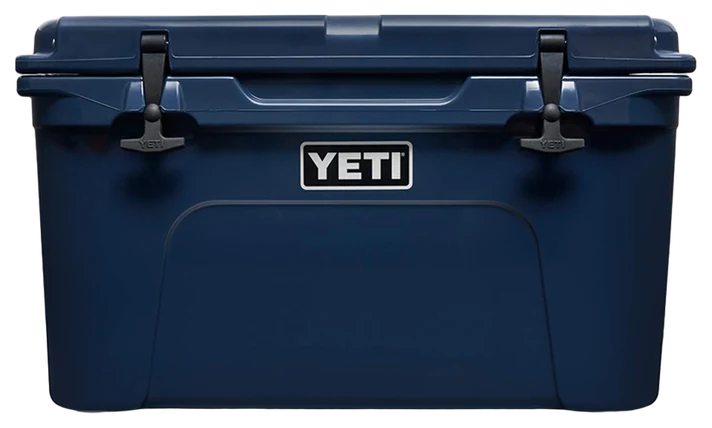
YETI Tundra 45$300–350The YETI Tundra 45, $300–350 — the cooler still in the truck a decade later.Check price
Running instead
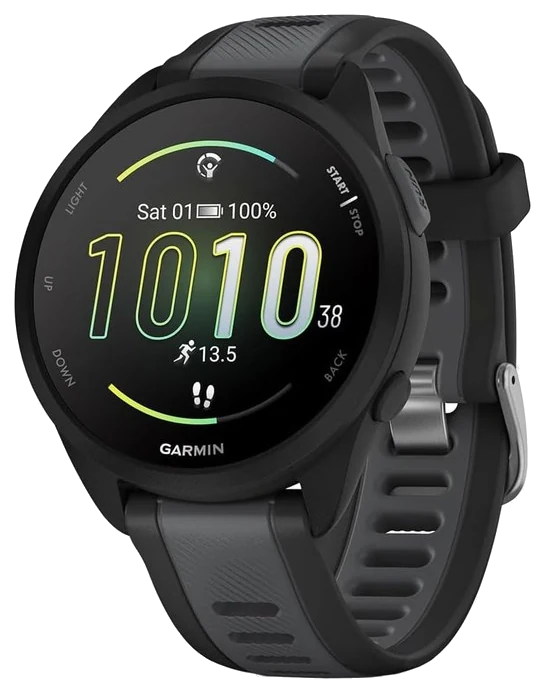
Garmin Forerunner 165$220–300Garmin Forerunner 165 at $220–300 — survives the jump from casual running into actual training, which is why it outlasts the cheap trackers people replace yearly.Check price
Carrying gear all day
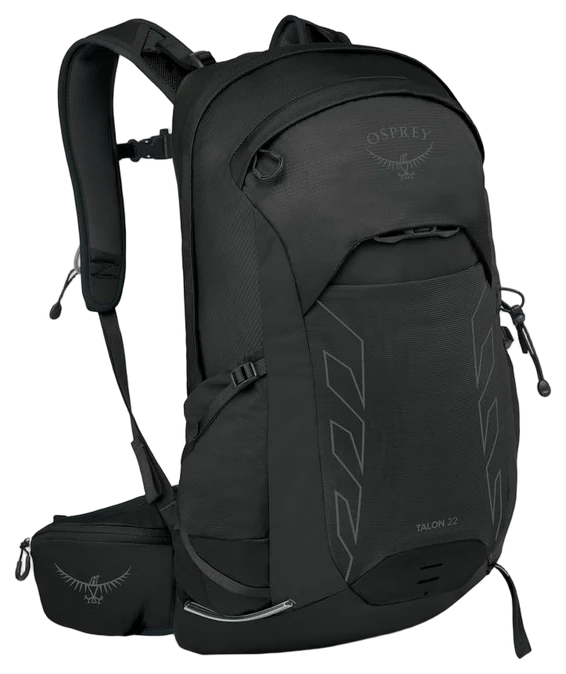
Osprey Talon 22$165–180Osprey Talon 22 at $165–180 — carries a full day comfortably.Check price
We compiled field-test results (OutdoorGearLab, Switchback Travel), warranty records, and multi-year owner reviews, weighting proven durability over spec-sheet numbers.How we chose·How we verify·Corrections logged publicly
Outdoor gear is the last category where "buy it for life" is still literal. We compared durability records, expert field tests, and years of owner reviews to find six pieces that survive real abuse.
How we choseWhat we compared, and how we rank
We compiled field-test results (OutdoorGearLab, Switchback Travel), warranty records, and multi-year owner reviews, weighting proven durability over spec-sheet numbers. Prices are always moving, so every button and link pulls the live listing.
How we rank
Published specifications, verified owner reviews, and independent safety or standards data where it applies — weighted the same for every pick, never sponsored placement.
What changed1 dated note · latest 25 September 2026
CorrectedThis guide’s short answer recommended the YETI Tundra 45, but its ranking put the Garmin Forerunner 165 first. The YETI Tundra 45 now leads the ranking, so the two agree. No product or price changed.
Dated notes already published on this page, newest first. Every correction we make is logged on the corrections page.
Yes, the YETI Tundra 45 costs what coolers used to cost per decade of ownership, and that’s precisely the point. Rotomolded construction keeps ice for days, survives being stood on, dropped, and dragged, and holds resale value like power tools.
Camp kitchens, tailgates, and fishing boats standardized on it because the performance claims verify: multi-day ice in real summer conditions, bear-resistant certification, and latches that outlive the truck they ride in. The 45 size swallows a weekend for four with ice to spare, and the non-slip feet stay put in truck beds.
It’s heavy empty and heavier full, and casual once-a-summer picnics don’t need it. At $300–350 on Amazon, it’s the buy-once cooler for people whose cooler works for a living.
OutdoorGearLab’s insulation testing clocked the Tundra 45 at 98 hours below 40°F, respectable but roughly average against similarly sized coolers costing half as much; the premium here buys rotomolded durability and bear-resistant certification more than a category-leading ice number. One real-world test loaded with ice and drinks in 100-degree-plus heat, opened dozens of times a day, still held ice and cold drinks after 48 hours.
Strengths
Days-long verified ice retention
Survives outright abuse
Bear-resistant certified
Power-tool resale value
Tradeoffs
Serious weight empty
Serious price always
Overkill for picnic duty
Pick 2 of 6: No. 2Best for runners
2
Garmin Forerunner 165
Best for runners
The running watch sweet spot
Get it if you want adaptive training guidance and multi-band GPS without paying flagship money for maps you will not open.
Skip it if you need wrist navigation, the Fenix tier calls.
The Garmin Forerunner 165 is where Garmin’s value curve peaks: accurate multi-band GPS, real training guidance, a bright AMOLED screen, and a battery measured in days: for half the price of flagships whose extra features most runners never open.
Reviewers keep reaching the same conclusion: this is the sensible Garmin. Daily suggested workouts adapt to recovery, race predictions gamify consistency, and the eleven-day battery makes it a full-time watch rather than a training accessory.
It skips maps and music storage (the flagship taxes). Runners who want turn-by-turn navigation pay up. At $250–300 on Amazon, it’s the training watch most runners should buy.
DC Rainmaker’s testing found its GPS tracking matches, and sometimes beats, pricier multiband watches despite the 165 lacking dual-frequency GPS itself, a genuine surprise at this price. Battery runs 11 days in smartwatch mode, dropping to about 4 days with the always-on display active, and 19 hours in GPS recording mode, which comfortably covers sub-five-hour marathons but gets tight for slower finishers, especially in cold weather that drains the cell faster.
Strengths
Multi-band GPS accuracy
Adaptive training guidance
11-day battery, AMOLED screen
Half of flagship pricing
Tradeoffs
No onboard maps
No music storage on base
Garmin app learning curve
Pick 3 of 6: No. 3Best daypack
3
Osprey Talon 22
Best daypack
The daypack every list agrees on
Get it if you want one pack for dayhikes, commutes and flights, repaired free when it finally wears.
Skip it if gear hauls exceed day-trip size, size up.
The Osprey Talon 22 has sat atop daypack rankings for so long it became the reference other packs are measured against: a ventilated harness that moves with you, and pockets exactly where your hands expect them.
Osprey’s All Mighty Guarantee (any damage, any era, repaired free) converts the purchase into a once-per-decade event, and the clean styling moonlights as commuter and carry-on without trail cosplay. The stretch pockets take bottles one-handed mid-stride, and the hip belt carries real weight without bruising.
Twenty-two liters is the dayhike ceiling; overnights need the bigger siblings. At $165–180 on Amazon, it’s one pack for dayhikes, commutes, and flights. This is it.
OutdoorGearLab’s measured weight puts the Talon 22 at 38.4 ounces, or about 1.67 ounces per liter of capacity, making it one of the heavier packs per liter in its category despite the lightweight reputation; that extra material is largely the ventilated back panel and structured hip belt, both rated above average for comfort under real loads. Breathability tests only middling next to trampoline-style mesh-back packs, a real tradeoff for the snugger, more stable fit.
Strengths
Reference-grade harness comfort
Any-reason lifetime repairs
Pockets placed by telepathy
Triple-duty daily versatility
Tradeoffs
Day-trip capacity only
Premium over basics
Ubiquity, trailheads full of them
Also on the shortlist
Three more, in brief
Pick 4 of 6: No. 4Best under $50~$35–50
4
Hydro Flask 32 oz
Budget pickBest under $50
The bottle that made insulation standard
Get it if you’re done buying water in crinkly bottles.
Skip it if ultralight counts every ounce. Plastic wins grams.
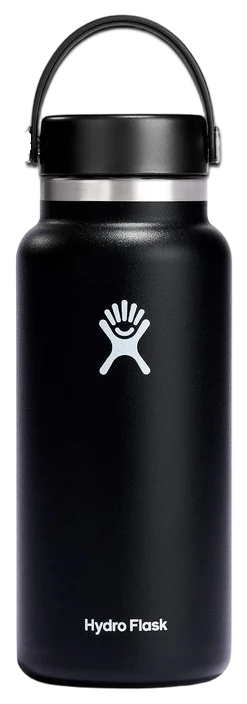
The dented Hydro Flask covered in stickers is a lifestyle cliché because the bottle lasts that long: ice water stays ice water through a full summer day, and the powder coat shrugs off years of drops.
The lifetime warranty backs the cliché, the wide mouth takes ice cubes and cleaning brushes without a fight, and the lid ecosystem (straws, chugs, hot caps) adapts it to every season of one owner’s life.
It’s heavier than plastic and the 32-ounce size tests smaller cup holders. At $35–50 on Amazon, it’s the disposable-bottle habit killer with a decade of service in it.
Hydro Flask claims 24 hours cold and 12 hours hot for this size, and independent testing roughly backs the cold number: one tester’s ice water measured 33.3°F rose to 54.5°F after 24 hours, still meaningfully cold, though comparative testing against newer double-wall bottles found some rivals now edge it out by a noticeable margin. The decade-plus track record and near-universal lid-and-boot accessory ecosystem are the real differentiator marginally-better-numbers competitors don’t match.
Get it if you’re done buying water in crinkly bottles.
Skip it if ultralight counts every ounce. Plastic wins grams.
The dented Hydro Flask covered in stickers is a lifestyle cliché because the bottle lasts that long: ice water stays ice water through a full summer day, and the powder coat shrugs off years of drops.
Read the full case
The lifetime warranty backs the cliché, the wide mouth takes ice cubes and cleaning brushes without a fight, and the lid ecosystem (straws, chugs, hot caps) adapts it to every season of one owner’s life.
It’s heavier than plastic and the 32-ounce size tests smaller cup holders. At $35–50 on Amazon, it’s the disposable-bottle habit killer with a decade of service in it.
Hydro Flask claims 24 hours cold and 12 hours hot for this size, and independent testing roughly backs the cold number: one tester’s ice water measured 33.3°F rose to 54.5°F after 24 hours, still meaningfully cold, though comparative testing against newer double-wall bottles found some rivals now edge it out by a noticeable margin. The decade-plus track record and near-universal lid-and-boot accessory ecosystem are the real differentiator marginally-better-numbers competitors don’t match.
Strengths
All-day genuine cold
Survives years of drops
Lifetime warranty
Wide mouth cleans easily
Tradeoffs
Steel weight when full
Fights small cup holders
Sticker addiction is real
Pick 5 of 6: No. 5Best headlamp
5
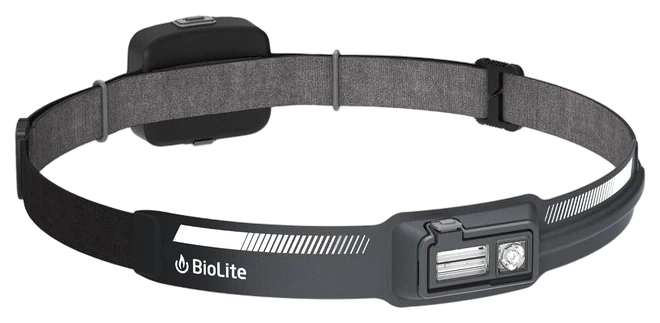
BioLite Dash 450
Best headlamp
The headlamp that finally fits
Get it if dawn runs, camp chores, or power outages feature in life.
Skip it if a drawer flashlight covers your darkness needs.
BioLite flattened the headlamp: the Dash 450’s light sits flush against a moisture-wicking band instead of bouncing on a plastic bracket, which runners recognize immediately as the fix for the category’s oldest annoyance.
450 lumens covers trail-finding and camp chores, USB-C recharging ends the AAA economy, and the comfortable-enough-to-forget fit is the actual review consensus. Red mode preserves night vision around camp. The rear red strobe adds dawn-road visibility, and the flat profile packs into any pocket without the usual bracket bulge.
Burn time at full blast is modest. Real-world use mixes modes, as every headlamp does. At $60–75 on Amazon, it’s the headlamp people didn’t know they were settling without.
BioLite’s own runtime numbers hold up in testing: roughly 2.5 to 3 hours at the full 450-lumen setting before it starts dimming, stretching to about 60 hours on the 5-lumen low mode. It carries an IPX4 rating, enough for sweat, sustained rain, and humidity, but not a dunk or a real downpour crossing, so a dedicated backpacking headlamp still wins for multi-day wet-weather trips.
Get it if dawn runs, camp chores, or power outages feature in life.
Skip it if a drawer flashlight covers your darkness needs.
BioLite flattened the headlamp: the Dash 450’s light sits flush against a moisture-wicking band instead of bouncing on a plastic bracket, which runners recognize immediately as the fix for the category’s oldest annoyance.
Read the full case
450 lumens covers trail-finding and camp chores, USB-C recharging ends the AAA economy, and the comfortable-enough-to-forget fit is the actual review consensus. Red mode preserves night vision around camp. The rear red strobe adds dawn-road visibility, and the flat profile packs into any pocket without the usual bracket bulge.
Burn time at full blast is modest. Real-world use mixes modes, as every headlamp does. At $60–75 on Amazon, it’s the headlamp people didn’t know they were settling without.
BioLite’s own runtime numbers hold up in testing: roughly 2.5 to 3 hours at the full 450-lumen setting before it starts dimming, stretching to about 60 hours on the 5-lumen low mode. It carries an IPX4 rating, enough for sweat, sustained rain, and humidity, but not a dunk or a real downpour crossing, so a dedicated backpacking headlamp still wins for multi-day wet-weather trips.
Strengths
No-bounce flush design
USB-C, no battery economy
Forget-you’re-wearing-it comfort
Red mode for camp courtesy
Tradeoffs
Modest max-brightness runtime
Pricier than basic lamps
Band wants occasional washing
Pick 6 of 6: No. 6The reliability pick
6
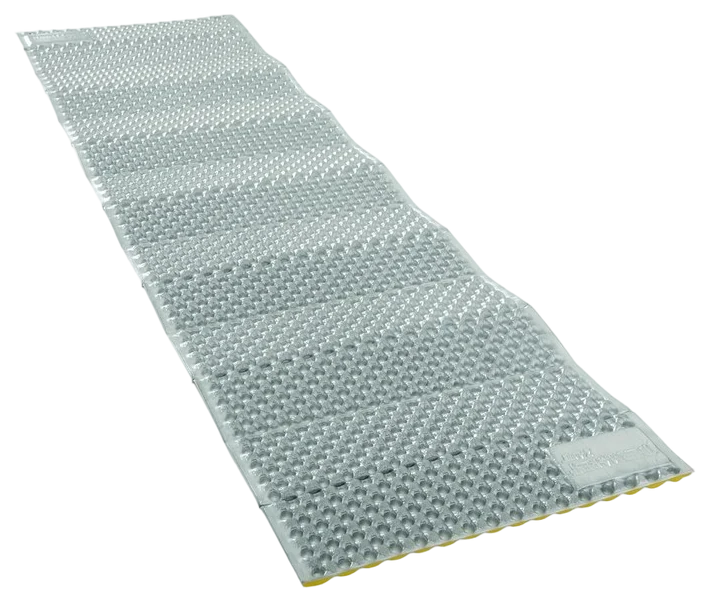
Therm-a-Rest Z Lite Sol
The reliability pick
The unkillable sleeping pad
Get it if reliability under you matters more than plushness.
Skip it if you sleep princess-and-pea, pair it or go inflatable.
Inflatable pads are more comfortable until the night they aren’t. The Z Lite Sol cannot puncture, deploys in four seconds, weighs 14 ounces, and doubles as a sit pad, splint, and pack frame.
That’s why thru-hikers still strap this accordion of foam to packs after twenty years of newer technology: reliability compounds over miles, and the failure mode doesn’t exist. The reflective coating bounces body heat back on cold ground, stretching its comfort range past what the thickness suggests.
Solo, it’s firm. The classic move is running it under an inflatable as insurance and insulation both. At $45–60 on Amazon, it’s the sleep system component that never gets to ruin a trip.
Therm-a-Rest rates it R-2.0, warm enough solo through most three-season nights and the standard add-on layer under an inflatable pad for winter trips. OutdoorGearLab’s testers confirmed the tradeoff on comfort: at three-quarters of an inch thick, it feels barely softer than bare ground, particularly for side sleepers whose hips take the load directly. The upside is the one advantage no inflatable pad here matches: it cannot puncture, so it can’t ruin a trip.
Get it if reliability under you matters more than plushness.
Skip it if you sleep princess-and-pea, pair it or go inflatable.
Inflatable pads are more comfortable until the night they aren’t. The Z Lite Sol cannot puncture, deploys in four seconds, weighs 14 ounces, and doubles as a sit pad, splint, and pack frame.
Read the full case
That’s why thru-hikers still strap this accordion of foam to packs after twenty years of newer technology: reliability compounds over miles, and the failure mode doesn’t exist. The reflective coating bounces body heat back on cold ground, stretching its comfort range past what the thickness suggests.
Solo, it’s firm. The classic move is running it under an inflatable as insurance and insulation both. At $45–60 on Amazon, it’s the sleep system component that never gets to ruin a trip.
Therm-a-Rest rates it R-2.0, warm enough solo through most three-season nights and the standard add-on layer under an inflatable pad for winter trips. OutdoorGearLab’s testers confirmed the tradeoff on comfort: at three-quarters of an inch thick, it feels barely softer than bare ground, particularly for side sleepers whose hips take the load directly. The upside is the one advantage no inflatable pad here matches: it cannot puncture, so it can’t ruin a trip.
Strengths
Zero failure modes, ever
14 ounces, four-second deploy
Doubles as seat/splint/frame
Twenty-year trail endorsement
Tradeoffs
Firm as a solo mattress
External-strap bulk
Modest solo R-value
Outdoor gear covers a lot of ground, so buy the durable, do-everything pieces that follow you from the trail to the campsite.
Durability: Gear that lives outdoors takes a beating, so pay for solid materials on the things you’ll lean on when it counts.
Weight vs toughness: A featherweight tool that breaks isn’t a bargain; balance packable against built-to-last for how hard you’ll use it.
Weather and season: Sun, rain, and cold all show up uninvited, so pack for the conditions you might hit, not just the forecast.
Common mistake: Folks buy flashy gear and skip the basics; a light, a filter, and a multi-tool save more bad days than any gadget.
Leatherman Wave Plus — 18 tools including pliers and a real knife, backed by a 25-year warranty; the fix-anything tool the guide leaves out.
Cascade Mountain Tech Trekking Poles — carbon poles that save your knees on descents and steady you on loose ground, for a fraction of premium prices.
Black Diamond Spot 400 — a bright, waterproof headlamp; once the sun’s down, hands-free light beats fumbling with your phone.
Sawyer Squeeze — filters water straight from a stream for years, so you carry less and refill wherever you are.
Outdoor gear FAQs
6 common questions, answered.
Is a YETI cooler worth it?
If you use a cooler more than a few weekends a year, the math works: multi-day ice retention changes how you camp and tailgate, and the thing doesn’t die. For two uses a summer, buy the $60 alternative and let it wear out.
What outdoor gear makes the best gift?
The Hydro Flask under $50, the Osprey Talon at the next tier up. Both are products people love but hesitate to buy at full price for themselves, the definition of a good gift.
Foam or inflatable sleeping pad?
Inflatable for comfort-focused car camping, foam for everything where failure matters. Veteran backpackers often carry a thin foam pad under an inflatable. Comfort plus a guarantee the trip survives a puncture.
How should I maintain this gear so it lasts?
The rituals are short: coolers rinse and dry open (mildew is the only thing that beats a YETI), bottles get bottle-brush weeks and dishwasher amnesties, packs air out and spot-clean (machine washing kills coatings), headlamps live charged, and foam pads need shade. UV is their one enemy. The universal rule: dry before storing. Ninety percent of dead outdoor gear died wet in a bag, not on a trail.
What’s the right water and hydration strategy for day trips?
The rule of thumb: half a liter per hour of moderate effort, doubled in heat. The 32 oz Hydro Flask covers a short hike solo, but pack capacity for more (the Talon fits a reservoir sleeve, the wide mouth accepts filter flow). Freeze a half-full bottle overnight and top it off at leaving for all-day cold water. Past reliable-refill range, a squeeze filter earns its two ounces; day one of learning that lesson thirstily is a classic.
Which of these make the best gifts?
The giftable trio: Hydro Flask (personal, useful, ungetting-wrong-able: everyone hydrates), the BioLite headlamp (nobody buys themselves a great headlamp; everyone’s delighted to own one), and the Chuckit-tier price point of the Z Lite for the camper who has everything except reliability. The YETI is the statement gift for the person you like. Packs and shoes are fit-dependent, gift cards there, not guesses.
Sources
Who the write-ups above lean on, and where each one is cited.
OutdoorGearLabCited for YETI Tundra 45, Osprey Talon 22 and Therm-a-Rest Z Lite Sol, and in the buying advice.
DC RainmakerCited for Garmin Forerunner 165.
Switchback TravelCited in the buying advice.
25Sep 2026Correction, 25 September 2026This guide’s short answer recommended the YETI Tundra 45, but its ranking put the Garmin Forerunner 165 first. The YETI Tundra 45 now leads the ranking, so the two agree. No product or price changed.Every correction we’ve made ›
New guides, re-ranked picks and the month's notable changes. No weekly filler, ever.
Unsubscribe any time. Your address goes to our newsletter provider and nowhere else — see our privacy policy.
Manage Consent
To provide the best experiences, we use technologies like cookies to store and/or access device information. Consenting to these technologies will allow us to process data such as browsing behavior or unique IDs on this site. Not consenting or withdrawing consent, may adversely affect certain features and functions.
Functional
Always active
The technical storage or access is strictly necessary for the legitimate purpose of enabling the use of a specific service explicitly requested by the subscriber or user, or for the sole purpose of carrying out the transmission of a communication over an electronic communications network.
Preferences
The technical storage or access is necessary for the legitimate purpose of storing preferences that are not requested by the subscriber or user.
Statistics
The technical storage or access that is used exclusively for statistical purposes.The technical storage or access that is used exclusively for anonymous statistical purposes. Without a subpoena, voluntary compliance on the part of your Internet Service Provider, or additional records from a third party, information stored or retrieved for this purpose alone cannot usually be used to identify you.
Marketing
The technical storage or access is required to create user profiles to send advertising, or to track the user on a website or across several websites for similar marketing purposes.