No. 1: FlexiSpot E6 Pro
The Best Standing Desks: Decided by Stability and Warranty
You sit in it two thousand hours a year, which makes the chair the highest-stakes purchase in any office. We compared adjustability, build longevity, and warranty terms across four tiers of budget.
No. 1 · Our pick · For most people
It includes the seat-depth and lumbar adjustment cheaper chairs quietly leave out.
~$470–520Estimated price
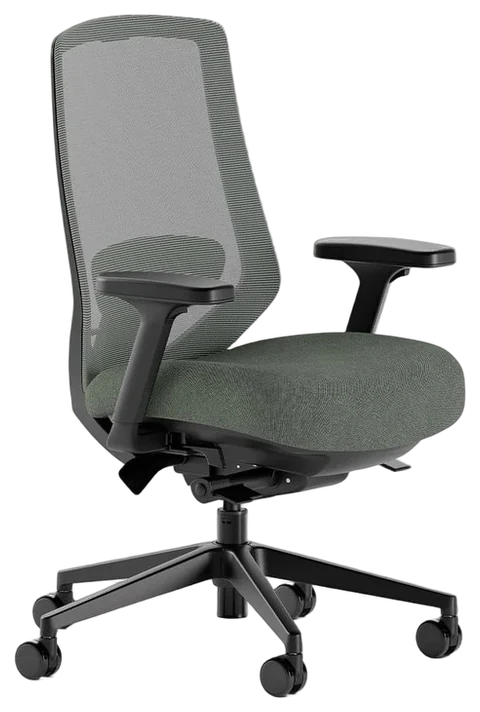 No. 1 · Best overall valueBranch Ergonomic Chair Pro~$470–520View on Amazon
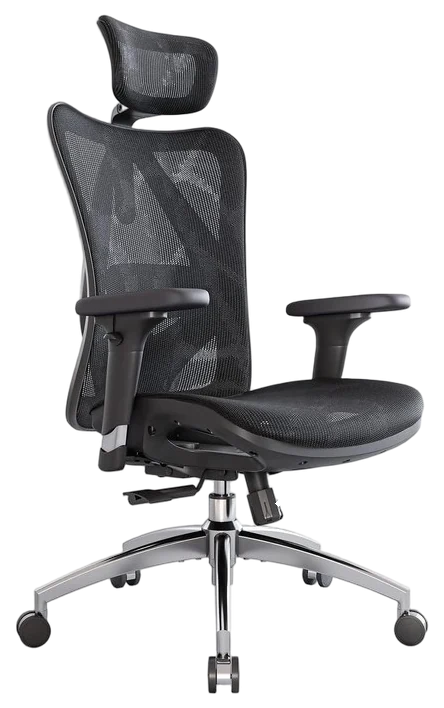 No. 2 · Best under $250SIHOO M57~$200–240View on Amazon
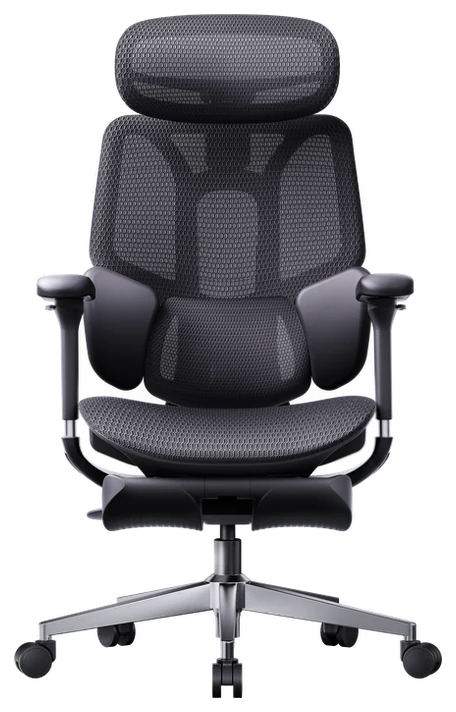 No. 3 · Most features per dollarHbada E3 Ergonomic Chair~$380–550 by modelView on Amazon
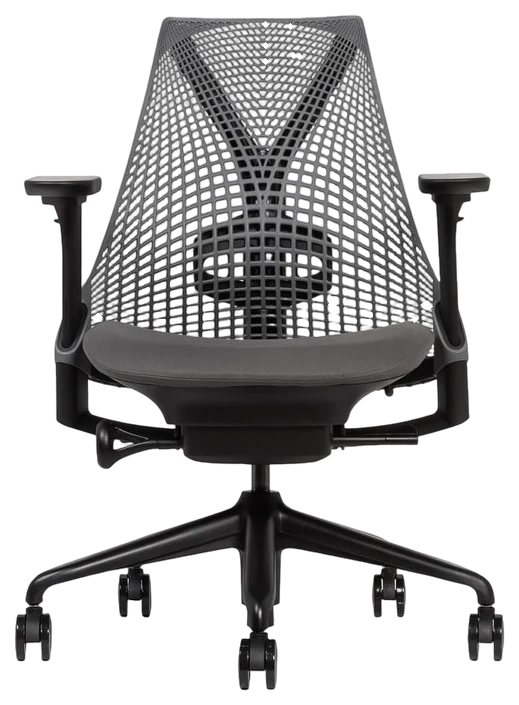 No. 4 · The premium gatewayHerman Miller Sayl~$935–1,275 new, ~$350–530 refurbishedView on Amazon
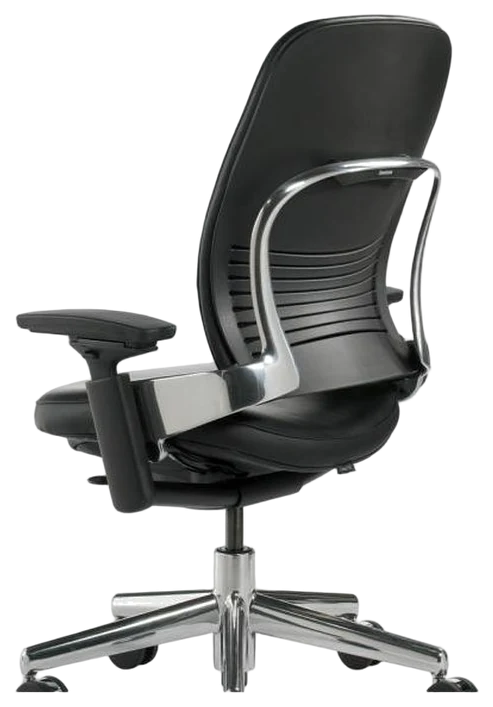 No. 5 · Best for eight-hour daysSteelcase Leap~$1,400–2,025View on Amazon
| Differences | No. 1Branch Ergonomic Chair Pro | No. 2SIHOO M57 | No. 3Hbada E3 Ergonomic Chair | No. 4Herman Miller Sayl | No. 5Steelcase Leap |
|---|---|---|---|---|---|
| Price rangeon one $200–2,025 scale | ~$470–520 | ~$200–240 | ~$380–550 by model | ~$935–1,275 new, ~$350–530 refurbished | ~$1,400–2,025 |
| Adjustability | 14 points (incl. depth + lumbar) | 6 points + headrest | Adaptive lumbar + 3D arms | Suspension back, tuned tension | 4D arms + lumbar height and firmness |
| Warranty | 7 years | 3 years | 3–5 years | 12 years | 12 years, parts and labor |
From each pick’s review below. We compared maker specs and listings, not readings we took.
We compiled ergonomics testing, teardown-style build reviews, warranty-term comparison, and long-term owner reports. How we chose How we verify Corrections logged publicly
We had quoted a new Herman Miller Sayl at about $885–1,530. Herman Miller's own store lists new Sayls at about $935–1,275, depending on arms, seat depth and lumbar support, so the range is corrected. We also added that the Sayl listings we found on Amazon were used or refurbished units from third-party sellers.
Branch no longer sells its plain Ergonomic Chair. The pick is now the Branch Ergonomic Chair Pro at about $470–520.
The SIHOO M57 carried a “Best under $200” badge after its range had moved to $200–240; the badge now says under $250. Logged on the corrections page.
Dated notes already published on this page, newest first. Every correction we make is logged on the corrections page.
Pick 1 of 5: No. 1 · Best overall value
The mid-range benchmark
The Branch Ergonomic Chair Pro is the top pick here because it offers the adjustment set that matters — seat depth, two-way lumbar, 5D armrests, forward seat tilt — with 14 points of adjustment in total and a 275-pound rating.
It’s the rational default for full days at home: high-density foam, a seven-year warranty that means it, and an aesthetic that doesn’t announce “gamer” or “cubicle” in a living space. The lumbar adjusts vertically and comes out entirely if you’d rather sit without it, and the frame meets BIFMA’s commercial-grade standard on low-VOC materials.
Very tall and very small bodies should still check the fit specs, and the optional headrest costs extra rather than coming standard. At $470–520 on Amazon, it’s where most work-from-home buyers should stop looking.
Pick 2 of 5: No. 2 · Best under $250
The budget mesh surprise
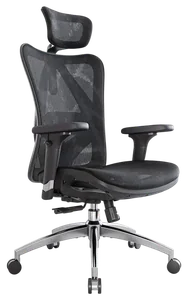
The SIHOO M57 is the budget category’s repeated upset winner: breathable full mesh, adjustable lumbar support, a headrest, and adjustable arms: at a price where competitors bolt everything in place.
The review pattern is consistent: fit-and-finish trails the premium tiers, support remarkably doesn’t. For home offices assembled on real budgets, it delivers the ergonomic essentials that prevent the 3 p.m. back complaints. The mesh back earns its keep in warm rooms, where foam chairs turn into complaints by afternoon.
Plastics feel their price and armrest wobble is the known quirk. At about $200 on Amazon against $240 direct, with constant coupons, it is the best sitting a low-three-figure budget can currently buy. One spec to know before ordering: the seat depth is fixed at roughly 18 inches, so long-femured sitters should measure first.
Next: No. 3, Hbada E3 Ergonomic ChairTorn? Compare it with No. 3
Pick 3 of 5: No. 3 · Most features per dollar
The feature-stacked middle
Hbada’s E3 series brings the gadget-chair energy: self-adjusting lumbar that tracks as you move, elaborate multi-angle headrests, and on some trims a pull-out leg rest for deep-thought reclining.
Feature-per-dollar it leads the segment, and the long-term reviews say the mechanisms hold up, the risk that usually haunts feature-dense chairs. The auto-adaptive lumbar particularly suits fidgeters who defeat fixed supports. Mesh keeps summer sessions cool, and the recline range supports the lean-back thinking posture desk chairs usually punish.
It is visually busy, this chair has opinions, and the many adjustments mean a real setup session. Check which E3 you are buying, because the line moved: the original E3 is down to final clearance with no restocks, and the current models are the E3 Air from about $380 and the E3 Pro from about $500. At $380 to $550 depending on model, it is the pick for feature-lovers between the value and premium tiers, but it is no longer the sub-$350 bargain it was.
Pick 4 of 5: No. 4 · The premium gateway
The design icon on a budget (relatively)
The Herman Miller Sayl is the affordable door into genuine Herman Miller: a suspension back inspired by bridge engineering, a 12-year everything-included warranty that reframes the math, and a silhouette that upgrades a room.
Be careful with the price, because this is where the Sayl is most often misquoted. New, from Herman Miller, it runs $935 to about $1,275 depending on how you option it. The figure people repeat as the Sayl price, somewhere around $350 to $530, is the certified-refurbished market, with most refurbishers clustered near $400. The Sayl listings we found on Amazon were third-party sellers’ used or refurbished units, so they belong with that second figure, not the first.
Twelve years of warranty means the per-year cost still lands below chairs at half the new sticker, which is the argument that converts spreadsheet people. Assembly arrives finished in the box, and the design has aged a decade without dating, rare in office furniture.
The unframed back divides tall sitters, and options (arms, lumbar) add up fast. At $935 and up new, or about $350–530 certified refurbished, it is the sleeper route to a designed decade of sitting, and the refurbished route is the one most people take.
Pick 5 of 5: No. 5 · Best for eight-hour days
Top of the market, with the price to match
The Leap is Steelcase’s answer above the Sayl’s price tier, aimed at anyone who sits eight hours a day and wants to buy a chair once. Steelcase runs a program remaking used Leaps back to working condition, and independent refurbishers have built whole businesses reconditioning the same chair, a sign of how long this design has been in service and how well its wear points are understood.
Steelcase rates the standard Leap to 400 lb and sells a Leap Plus rated to 500 lb. Its feature list includes arms adjustable for height, width, depth and pivot, a height-adjustable lumbar with separate lower-back and upper-back firmness dials, four recline stops with an upright lock, a seat that glides forward as the back reclines, and adjustment labels printed in English and Braille.
Coverage is a 12-year, multi-shift, parts-and-labor limited lifetime warranty, the same 12 years the Sayl carries above. SeatedLab measures the seat at 19.25 inches wide with a 16 to 20.5 inch height range and counts depth among the adjustments. TechGearLab scored it 89 out of 100, with 9.1 for adjustability and 10 for ease of assembly, and gave it 10.00 on its Comfort Hours scale, ahead of the Branch above.
The back and seat are upholstered foam rather than mesh, so it runs warmer than the mesh-backed SIHOO and Hbada here, and SeatedLab reports arm pads that flake at three to five years and seat foam that softens after five to eight years of heavy use. No headrest is included, and some configurations drop the 4D arms or the adjustable lumbar, so check the specific listing.
On price: about $1,400 on Amazon for a fabric build, $2,023 on Steelcase’s own store for its default configuration; TechGearLab’s chief criticism is that price, and its tallest tester also flagged fit, since the Leap comes in one size. SeatedLab prices remanufactured Leaps near $749 at Crandall Office with new foam, fabric, cylinder and arm pads, the version most people should buy when Crandall has stock, though it sells out often. For more chair, Steelcase’s Gesture adds arms that swing through a full circle for phone and tablet work, running about $1,510 on Amazon, or $1,720 with a headrest.
Buy for how many hours you sit and how your body fits the chair, not for the look.
Pick any two of the five. Rows that match say so once; the rest sit side by side, as each review states them.
Price range
~$470–520
~$200–240
Adjustability
14 points (incl. depth + lumbar)
6 points + headrest
Warranty
7 years
3 years
6 common questions, answered.
In order: seat-depth adjustment (thigh support without knee pressure), lumbar that adjusts to your spine’s height, arm height for shoulder relaxation, and breathable materials. Padding thickness, the thing showroom sits judge, matters least over a full day.
Amortized, often yes: a 12-year warranty on a chair used 2,000 hours a year prices out near budget chairs replaced every 2–3 years. The catch is upfront cash, which is exactly what refurbished units and the Sayl tier solve.
Mesh breathes and stays cool over marathon sessions; quality foam distributes pressure better for some bodies. The failure mode to avoid is cheap foam, which pancakes within a year, at low budgets, mesh (like the SIHOO) is the safer bet.
The five-minute sequence that most people skip: seat height so feet plant flat and knees sit level-or-slightly-below hips; seat depth leaving two or three fingers between seat edge and knees; lumbar aligned to the small of your back (not mid-back); arms raised until shoulders relax down. Then set your desk and monitor to the chair, not the reverse. Recheck after a week; bodies negotiate.
By tier: budget mesh runs three to five years before mechanisms and mesh sag; the Branch tier stretches toward seven (matching its warranty); and Herman Miller’s 12-year warranty describes its actual service life, Sayls from the 2010s populate resale sites in working order. Gas cylinders die first everywhere and cost $30 to replace; don’t retire a good chair over its cheapest part.
It’s the sleeper move of the category: certified-refurbished Herman Miller and Steelcase run 40–60% off, wear parts get replaced in the process, and the frames were engineered for decade-plus service: a refurbished Sayl at $350 embarrasses new chairs at the same price. Buy from dedicated refurbishers with warranties (90 days to 2 years), not gambles from auction sites. The depreciation already happened to someone else; the ergonomics didn’t.
We compiled ergonomics testing, teardown-style build reviews, warranty-term comparison, and long-term owner reports. Prices are always moving, so every button and link pulls the live listing.
How we rank
Published specifications, verified owner reviews, and independent safety or standards data where it applies — weighted the same for every pick, never sponsored placement.
Correction, 5 September 2026: The SIHOO M57 carried a “Best under $200” badge after its range had moved to $200–240; the badge now says under $250. Logged on the corrections page.
Every correction we’ve made
Correction, 23 September 2026: Branch no longer sells its plain Ergonomic Chair. The pick is now the Branch Ergonomic Chair Pro at about $470–520.
Every correction we’ve made
Correction, 7 October 2026: We had quoted a new Herman Miller Sayl at about $885–1,530. Herman Miller’s own store lists new Sayls at about $935–1,275, depending on arms, seat depth and lumbar support, so the range is corrected. We also added that the Sayl listings we found on Amazon were used or refurbished units from third-party sellers.
Every correction we’ve made