The Best Hair Care Products of 2026:Which Viral Picks Hold Up
Hair care is the most virality-driven aisle in beauty, and occasionally the internet is right. We separated the evidence-backed staples from the trend churn across tools, treatments and oils.
By the BYB Editorial Team
Published July 28, 2026 · Prices checked OctoberOct 20, 2026 · 9-minute read
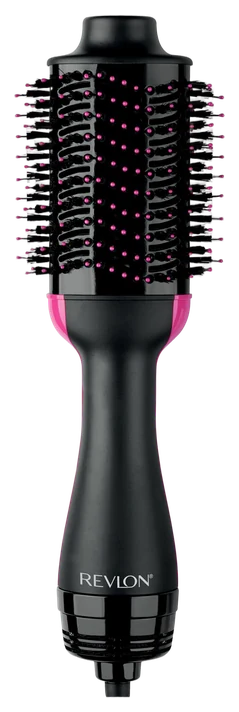
Hundreds of thousands of reviews later, the Revlon One-Step remains the best beauty-tool value ever shipped: dryer and round brush in one motion, salon-adjacent volume in fifteen minutes, no coordination or skills required.
It earned the icon status honestly. The oval barrel and airflow do the wrist work a blowout normally demands, and the results converted an entire generation to home styling. For the price of one salon blowout, the machine repeats it weekly.
It runs hotter and less precisely than premium stylers, the T3 below is the gentler upgrade once the habit sticks, and it’s not a travel-light device. At $30–45 on Amazon, it’s still the smartest first styler in hair care.
The motor runs at 1,100 watts through a 2.8-inch oval barrel, generous heat and airflow for the one-pass promise, with three heat and speed settings plus a cool shot to lock the style in. The ionic coating floods the airflow with negative ions, the mechanism behind the shine and reduced frizz reviewers report, not just the drying itself, and it’s the same basic ion tech pricier brushes charge triple for.
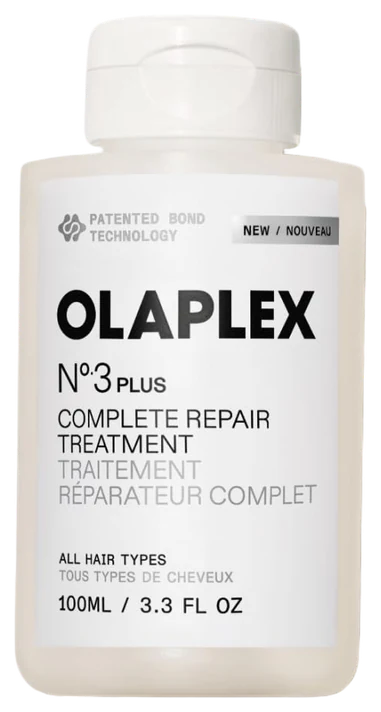
Olaplex No. 3 is chemistry, not conditioning: its patented bond-building molecule repairs the disulfide bonds that bleach and heat break. The structural damage conditioners can only coat over.
For colored and heat-styled hair, stylists still treat it as the non-negotiable: ten minutes on damp hair before shampoo, weekly, and the difference accumulates. Less breakage, more elasticity, color that holds. The professional consensus survived every dupe wave.
Virgin, untreated hair gets modest returns (this is a repair product, not a luxury conditioner) and results build over weeks, not washes. At around $30–34 on Amazon, one bottle runs months of weekly treatments.
The mechanism is specific enough to have a name: the patented molecule, bis-aminopropyl diglycol dimaleate, diffuses into the hair shaft and forms new covalent bonds between broken sulfur pairs left behind when bleach or heat snaps the natural disulfide bridges. Olaplex’s own in-house tensile testing and clinical trials back the strength claims, though independent peer-reviewed research on the exact mechanism is thinner than the marketing implies, worth knowing even though the before-and-after results are hard to argue with.
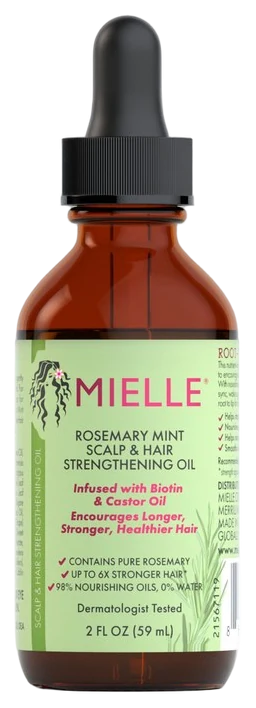
The Mielle rosemary oil phenomenon survived its own virality because the hero ingredient has actual literature: rosemary oil has clinical work comparing it favorably to low-dose minoxidil for some hair-thinning cases.
As a weekly scalp treatment at ten dollars, the expectation-adjusted value is excellent: massage in, leave it, wash out. A ritual that costs less than a latte a month and carries genuine (if modest) evidence along with the shine benefits.
Patience is the price: effects are measured in months, and no oil resurrects follicles that are gone. At $9–14 on Amazon, it’s the cheapest evidence-backed experiment in this guide, which is exactly why the repurchase rate stays high.
The study behind the claim is a real randomized trial: Panahi et al., published in SKINmed in 2015, put 100 people with androgenetic alopecia on either rosemary oil or 2 percent minoxidil for six months and found comparable increases in hair count in both groups, with the rosemary group reporting less scalp itching. The caveat: that’s a comparison to old-strength 2 percent minoxidil, not the 5 percent formula commonly prescribed today, and one trial isn’t the decades of data minoxidil has behind it.
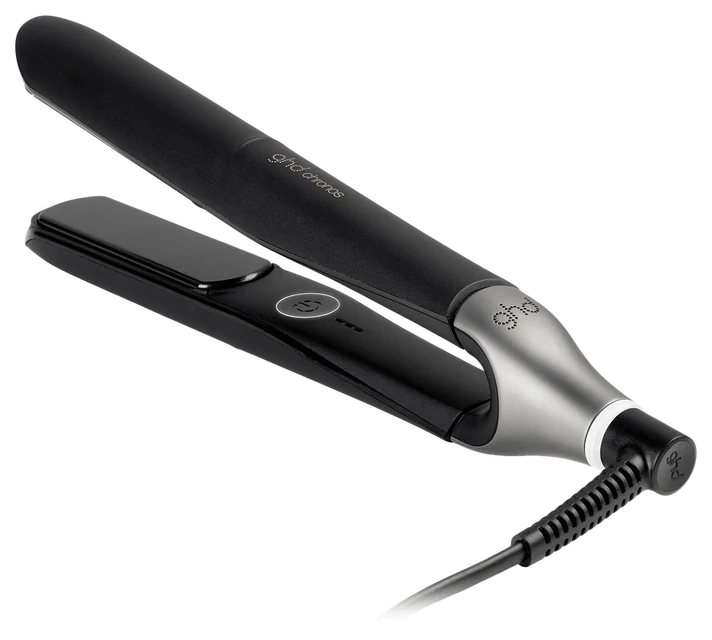
The ghd Chronos is built on one engineering thesis: 365°F is the optimal styling temperature, hot enough to set hair in a single pass, while staying well under the temperatures stylists associate with visible heat damage. The Chronos holds that number with motion-responsive precision.
For daily straighteners, that temperature discipline is the health feature: one fast pass at the right heat beats three passes with a cheap iron that swings wild. Styling runs measurably quicker than older plates, and stylists have voted with their kit bags for years.
There’s no temperature dial (the 365°F constant is the philosophy, take it or leave it) and it’s premium-priced at $300–350 on Amazon. For hair that meets an iron most mornings, it’s the difference visible in six months of ends.
The floating ceramic plates carry an ultra-gloss coating that ghd credits with 3x faster styling and up to 85 percent more shine, and a re-engineered hinge keeps the plates aligned under pressure instead of drifting apart mid-stroke. Those multiples are the brand’s own numbers, not an independent lab’s, though reviewers running it against older ghd irons back up the glide claim.
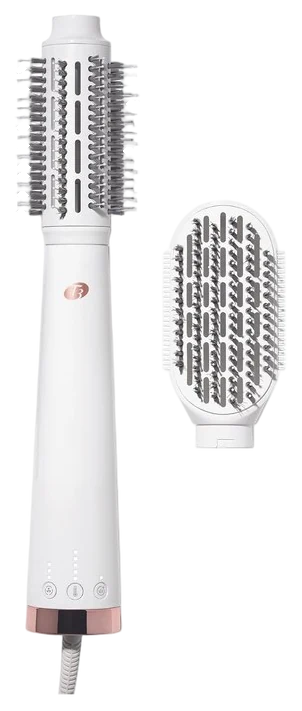
The T3 AireBrush Duo is the upgrade path from the Revlon: lighter, quieter, with gentler heat management and interchangeable round and paddle heads that turn one handle into a styling kit.
Professionals keep recommending it over the viral drugstore options for exactly the long-run reason: if the One-Step made blowouts a habit, the T3 is the version of the habit your hair prefers: ion-smoothed, lower-heat, less cumulative damage.
It costs four times the Revlon at $150–180 on Amazon, and that math only works once the habit is proven. Frequent stylers feel the difference in weeks; occasional users should stay with the icon.
T3’s IonFlow system pushes out a claimed 10 million negative ions per second, the mechanism behind the smoother, glossier finish reviewers consistently report next to non-ionic dryers, and it runs at 900 watts, less brute force than high-wattage rivals but enough for fine-to-medium hair. It’s 125-volt only with no dual-voltage switch, so it’s a domestic tool, not a travel one, and testers clock it around 88 decibels, noticeably quieter than the Revlon it’s meant to replace.
The best products for you depend on your hair type and whether your issue is your scalp or your strands.
Match it to your hair type: fine hair gets weighed down by heavy oils and butters, thick or curly hair usually drinks them up, and color-treated hair needs gentler, bond-supporting formulas.
Scalp problems and strand problems are different: flaking and itch are scalp issues that respond to actives like ketoconazole or zinc pyrithione, while breakage and dryness are strand issues you treat with bond builders and conditioners.
Be skeptical of “growth” claims: few ingredients have real evidence for regrowing hair (minoxidil is the well-studied one), and most oils and serums condition and smooth rather than grow anything.
The common mistake: over-treating, whether that’s daily bond builder when weekly is plenty or piling on product your hair can’t absorb; more isn’t better here.
K18 Leave-In Molecular Repair Hair Mask — a well-reviewed bond repair treatment, but it’s expensive per ounce and aimed at heavily bleached or chemically damaged hair, not everyday maintenance.
Nizoral Anti-Dandruff Shampoo — the ketoconazole formula helps flaking and itch, but it’s a targeted scalp treatment rather than a general shampoo, so it only earns a spot if dandruff is your issue.
Living Proof Perfect Hair Day Dry Shampoo — one of the better dry shampoos out there, but it’s a between-wash convenience, not something that improves your hair’s actual health.
Color Wow Dream Coat Supernatural Spray — a strong anti-frizz, anti-humidity spray, but it needs heat to activate and is a niche pick for people who fight frizz specifically.
Hair care FAQs
6 common questions, answered.
Does rosemary oil help hair growth?
There’s legitimate research, including a study finding it comparable to 2% minoxidil over six months for androgenetic thinning, but effects are modest and slow. Treat it as a low-cost, low-risk scalp-health habit, not a cure, and see a dermatologist for significant loss.
Is Olaplex worth it over regular conditioner?
Only if your hair is damaged — undamaged hair gains little from Olaplex over a good conditioner. Undamaged hair gains little. Color-treated and hot-tool hair sees the difference, which is why colorists push it.
How often is heat styling safe?
With protectant spray and temperature-honest tools (365°F, not maxed), a few times weekly is sustainable for healthy hair. Daily maximum-heat styling breaks any hair eventually, which is the argument for air-based tools and the lower-heat brushes above.
What order should hair products go in?
Treatments first, styling last: Olaplex No. 3 goes on damp hair before shampoo (its own step), rosemary oil massages into the scalp before wash days, and heat protectant sprays on before any hot tool touches hair. That step is non-negotiable with stylers like the Revlon or ghd. The general rule: repair chemistry wants clean access to hair; styling products seal over it.
How often should I wash my hair?
Less often than habit suggests: two to three washes weekly suits most hair, with oily scalps trending more and curly or dry textures trending less. Daily washing strips the oils that treatments like Olaplex work to protect. The transition week feels greasy; the second week usually settles. Dry shampoo bridges the gap, and every skipped wash is also a skipped heat-styling session, which compounds the benefit.
Do supplements or oils regrow hair better than treatments?
No: rosemary oil’s evidence is modest, and hair vitamins mostly help only people with an actual deficiency. General hair vitamins mostly benefit people with actual deficiencies. Nothing in a bottle rescues follicles that are gone, and sudden shedding deserves a doctor before a shopping cart. The honest play: cheap, evidenced, consistent: which is exactly the Mielle pick’s lane.
How we choseWhat we compared, and how we rank
We compiled trichologist and stylist commentary, ingredient evidence, and multi-year repurchase reviews. Prices are always moving, so every button and link pulls the live listing.
How we rank
Published specifications, verified owner reviews, and independent safety or standards data where it applies — weighted the same for every pick, never sponsored placement.
New guides, re-ranked picks and the month's notable changes. No weekly filler, ever.
Unsubscribe any time. Your address goes to our newsletter provider and nowhere else — see our privacy policy.
Manage Consent
To provide the best experiences, we use technologies like cookies to store and/or access device information. Consenting to these technologies will allow us to process data such as browsing behavior or unique IDs on this site. Not consenting or withdrawing consent, may adversely affect certain features and functions.
Functional
Always active
The technical storage or access is strictly necessary for the legitimate purpose of enabling the use of a specific service explicitly requested by the subscriber or user, or for the sole purpose of carrying out the transmission of a communication over an electronic communications network.
Preferences
The technical storage or access is necessary for the legitimate purpose of storing preferences that are not requested by the subscriber or user.
Statistics
The technical storage or access that is used exclusively for statistical purposes.The technical storage or access that is used exclusively for anonymous statistical purposes. Without a subpoena, voluntary compliance on the part of your Internet Service Provider, or additional records from a third party, information stored or retrieved for this purpose alone cannot usually be used to identify you.
Marketing
The technical storage or access is required to create user profiles to send advertising, or to track the user on a website or across several websites for similar marketing purposes.