The Best Pet Health Products:Catching Problems Early
Pet health gear is about early warning and prevention. We compared tracking accuracy, vet commentary, and thousands of owner reviews to find the four purchases that actually protect your animal.
By the BYB Editorial Team
Published July 28, 2026 · Updated · Prices checked OctoberOct 5, 2026
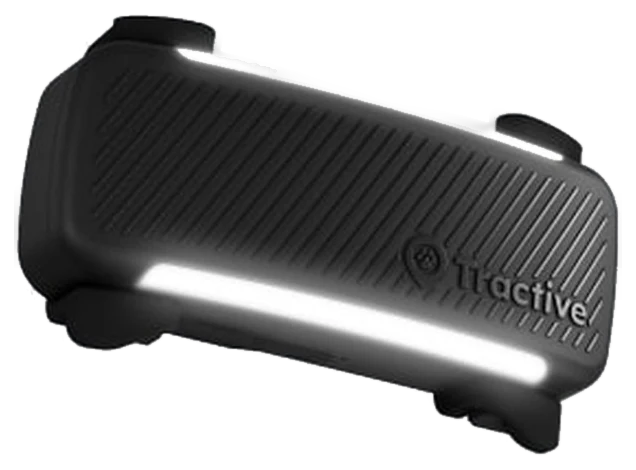
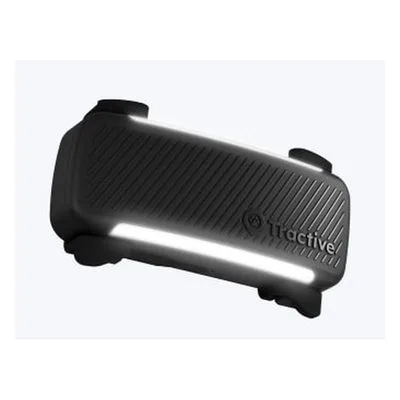
Tractive GPS Tracker$79The Tractive GPS tracker, $79 plus $6–9 a month — the subscription isn’t optional, since the cellular link is what finds a dog already three streets away.Check price
For shedding
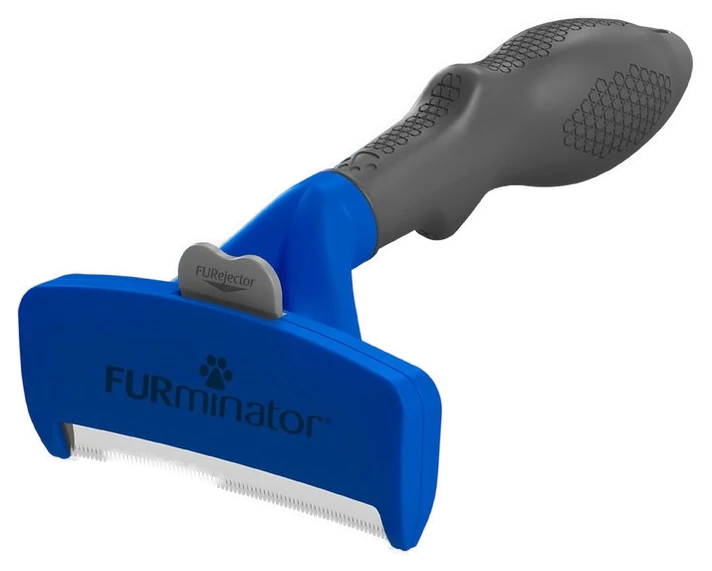
FURminator deShedding Tool$27–35FURminator, $27–35 — stops mats before they turn into skin infections.Check price
Want the activity data too
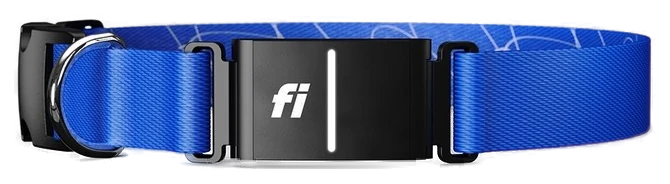
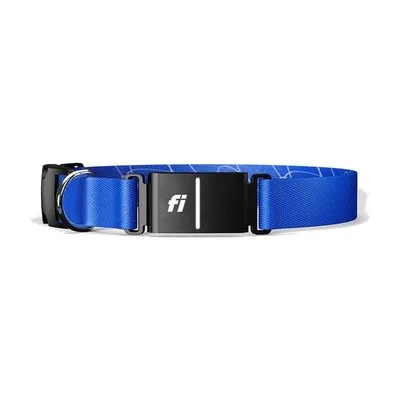
Fi Series 3+, $129 plus a Fi membership from $189 a year — doubles as an activity monitor, so silent weight loss gets caught before a vet visit does.
Pet health gear is about early warning and prevention. We compared tracking accuracy, vet commentary, and thousands of owner reviews to find the four purchases that actually protect your animal.
How we choseWhat we compared, and how we rank
We compiled veterinary commentary, GPS and activity-tracking accuracy tests, and verified long-term owner reviews. Prices are always moving, so every button and link pulls the live listing.
How we rank
Published specifications, verified owner reviews, and independent safety or standards data where it applies — weighted the same for every pick, never sponsored placement.
What changed1 dated note · latest 23 September 2026
CorrectedFi no longer bundles a year of membership with the Series 3+ collar. The collar is about $129 with one month included, and the membership is separate: $189 a year or $99 for six months. The price and cost comparisons now say so.
Dated notes already published on this page, newest first. Every correction we make is logged on the corrections page.
Microchips identify a found pet; GPS finds a lost one. The distinction that matters in the awful first ten minutes. The Tractive tracker’s live-tracking mode and virtual-fence alerts are built for exactly those minutes.
Dogster’s review clocked the live-location accuracy at within 2-3 feet during testing, which holds up well against every collar in the sub-$100 tier, and the activity and sleep monitoring rides along for free. VCA Hospitals veterinarians Malcolm Weir and Robin Downing list reduced energy and reluctance to do a dog’s usual activities among the clearest signs of hidden pain, exactly the kind of quiet decline a daily activity graph is built to catch before it’s obvious.
The subscription is the cost of cellular coverage, and battery life means charging every few days, the Fi flips that trade. At around $79 plus subscription on Amazon, it’s the value leader in finding your dog.
Strengths
Live tracking when it matters
Top-tier tested accuracy
Virtual fence escape alerts
Value-tier hardware price
Tradeoffs
Subscription required
Charging every few days
Cell coverage dependent
Pick 2 of 5: No. 2Best battery life~$129 + membership
2
Fi Series 3+ Smart Collar
Upgrade pickBest battery life
The endurance tracker
Get it if you’ll never remember to charge a tracker weekly, and months of battery life is worth the higher price.
Skip it if you’re budget-first — Tractive above delivers comparable tested accuracy for meaningfully less.
Fi’s pitch is that a tracker you forgot to charge is a decoration, and the Fi Series 3 backs it: months-long battery life and instant escape alerts make it the set-and-forget option in a category full of charging chores.
The sleeper feature is the trend data. Fi’s own app markets AI-powered health and behavior insights that flag scratching, licking, and activity changes early, and VCA Hospitals veterinarians Malcolm Weir and Robin Downing count reduced energy and reluctance to do normal activities among the most reliable signs a dog is hiding pain. A daily step count that quietly halves is exactly the kind of change a busy household can miss and software won’t.
Hardware costs more up front and the subscription applies here too — every Fi tracker needs a membership starting at activation. The collar-integrated design resists slipping but locks you into Fi bands. At around $129 on Amazon, plus a Fi membership from $189 a year, it’s the premium answer for the charging-averse.
Strengths
Months per charge
Instant escape notifications
Illness-flagging activity trends
Slip-resistant collar design
Tradeoffs
Premium hardware price
Subscription still applies
Locked to Fi collar bands
Pick 3 of 5: No. 3Best under $40
3
FURminator deShedding Tool
Best under $40
The coat-health workhorse
Get it if your dog has a double coat that mats, and you want the same style of tool groomers reach for first.
Skip it if your dog is single-coated — a soft slicker brush handles the weekly skin check as well.
Regular deShedding is preventive care disguised as housekeeping. PetMD’s grooming guide, reviewed by veterinarian Dr. Katie Grzyb, warns that matting “can lead to pain and skin infections,” and the FURminator‘s job is stopping mats before they get there. The weekly ritual doubles as the at-home exam that finds lumps, ticks, and tender spots early.
The same PetMD guide quotes a professional groomer who stresses that surface brushing “will not suffice” to prevent mats and that bristles need to reach down to the skin, which is exactly what the undercoat edge is built to do. Owners of double-coated breeds report visibly less shedding within a month of weekly use, and the fur-release button ejects each pass’s harvest, turning the chore into oddly satisfying evidence of progress.
Buy the correct size and coat-length variant (most disappointments are mismatches) and introduce it gently in short sessions. At $27–35 on Amazon, it’s the health tool hiding in the grooming aisle.
Strengths
Prevents mats becoming infections
Weekly use doubles as exam
Groomer-standard equipment
Visible shedding reduction
Tradeoffs
Variant mismatch ruins results
Overuse irritates skin
Double coats only
Also on the shortlist
Two more, in brief
Pick 4 of 5: No. 4Best enrichment~$15–30
4
Snuffle Mat for Slow Feeding & Enrichment
Budget pickBest enrichment
The boredom prescription
Get it if your dog inhales meals in under a minute or paces from boredom — this turns either into ten calmer minutes.
Skip it if your dog already eats slowly and settles on its own, or is a determined shredder who’d treat the fabric as the next toy to destroy.
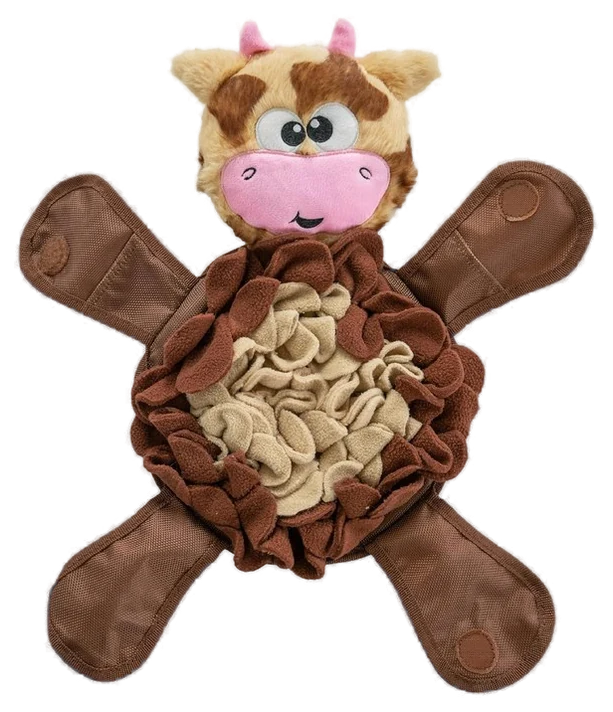
Behavioral health is health: bored dogs become anxious, destructive, or depressed, and fast eaters face a real risk. Cornell’s Riney Canine Health Center lists eating too quickly among the documented risk factors for GDV, the medical term for bloat, and AKC’s in-house veterinarian Dr. Kelly Hood calls a snuffle mat “a lifesaver for dogs who devour their food in seconds,” crediting the slower pace with helping prevent choking, digestive upset, and bloat. A snuffle mat converts a thirty-second meal into ten minutes of instinct-satisfying foraging, both problems, one fabric rectangle.
AKC’s guide credits the mental workout as much as the slower meal: Dr. Hood calls foraging “playtime for your dog with a purpose,” since scent work taps a dog’s native processing mode the way a walk taps its legs. Anxious and rainy-day dogs benefit most visibly.
Fabric plus determined shredders means supervised use, and the machine-washability is load-bearing. Use it weekly. At $15–30 on Amazon, it’s the mental-health line item of this list.
Get it if your dog inhales meals in under a minute or paces from boredom — this turns either into ten calmer minutes.
Skip it if your dog already eats slowly and settles on its own, or is a determined shredder who’d treat the fabric as the next toy to destroy.
Behavioral health is health: bored dogs become anxious, destructive, or depressed, and fast eaters face a real risk. Cornell’s Riney Canine Health Center lists eating too quickly among the documented risk factors for GDV, the medical term for bloat, and AKC’s in-house veterinarian Dr. Kelly Hood calls a snuffle mat “a lifesaver for dogs who devour their food in seconds,” crediting the slower pace with helping prevent choking, digestive upset, and bloat. A snuffle mat converts a thirty-second meal into ten minutes of instinct-satisfying foraging, both problems, one fabric rectangle.
Read the full case
AKC’s guide credits the mental workout as much as the slower meal: Dr. Hood calls foraging “playtime for your dog with a purpose,” since scent work taps a dog’s native processing mode the way a walk taps its legs. Anxious and rainy-day dogs benefit most visibly.
Fabric plus determined shredders means supervised use, and the machine-washability is load-bearing. Use it weekly. At $15–30 on Amazon, it’s the mental-health line item of this list.
Strengths
Slows dangerous gulping 5–10x
Tires the brain properly
Trainer-endorsed and cheap
Machine washable
Tradeoffs
Supervise dedicated shredders
Kibble-based, count the meal
Fur sticks to some fabrics
Pick 5 of 5: No. 5Best for nail care
5
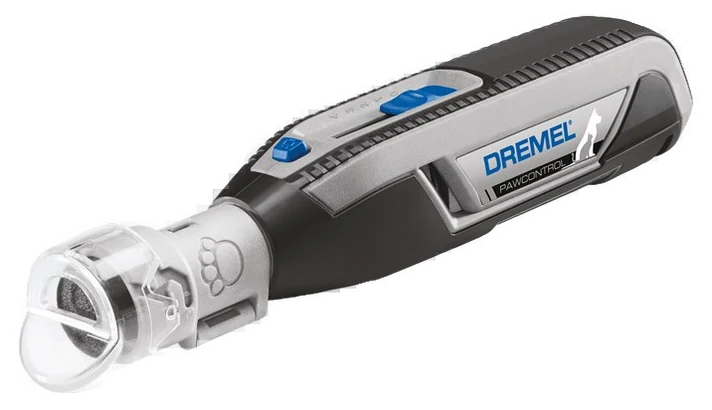
Dremel PawControl 7760
Best for nail care
Grind, don’t clip
Get it if nail day currently ends in a wrestling match, a bleed, or nails you keep putting off out of dread.
Skip it if your dog already sits calmly for clippers — a grinder solves a problem you don’t have.
The Dremel PawControl 7760 brings the company’s rotary-tool pedigree to the one grooming job most owners dread: nails. Grinding takes length off gradually instead of clipping, which is the whole pitch, since there is no blade to crush the nail or slice into the quick.
The tool runs on a 4-volt-max lithium battery with USB charging, a slide switch steps through four speeds, and the kit’s nail-guard attachment builds in a 45-degree paw guide and dust catch, alongside Dremel’s nine sanding accessories. The Amazon kit sells at about $65, and keep it on the low speed settings Dremel recommends for pets, since high speeds can build heat against the nail.
The realistic expectations: grinding is slower than clipping, sessions work best in short, treat-heavy increments, and the sound and vibration take acclimation for some dogs, which is why Dremel’s own guidance starts with letting the dog get used to the noise. The guard and angle guide are what justify the pet-specific version over a standard rotary tool, because they cap how much nail comes off in one pass.
For dark-nailed dogs where the quick is invisible and one bad clip means blood and a grudge, gradual grinding is the safer route: veterinarian Dr. Ashley Darby, in a vet-reviewed comparison of the two methods for Hepper, notes that grinding “gradually wears down the nail” so owners are less likely to cut the quick than with a single clip, and this Dremel is the brand-name, guarded version of that approach.
Get it if nail day currently ends in a wrestling match, a bleed, or nails you keep putting off out of dread.
Skip it if your dog already sits calmly for clippers — a grinder solves a problem you don’t have.
The Dremel PawControl 7760 brings the company’s rotary-tool pedigree to the one grooming job most owners dread: nails. Grinding takes length off gradually instead of clipping, which is the whole pitch, since there is no blade to crush the nail or slice into the quick.
Read the full case
The tool runs on a 4-volt-max lithium battery with USB charging, a slide switch steps through four speeds, and the kit’s nail-guard attachment builds in a 45-degree paw guide and dust catch, alongside Dremel’s nine sanding accessories. The Amazon kit sells at about $65, and keep it on the low speed settings Dremel recommends for pets, since high speeds can build heat against the nail.
The realistic expectations: grinding is slower than clipping, sessions work best in short, treat-heavy increments, and the sound and vibration take acclimation for some dogs, which is why Dremel’s own guidance starts with letting the dog get used to the noise. The guard and angle guide are what justify the pet-specific version over a standard rotary tool, because they cap how much nail comes off in one pass.
For dark-nailed dogs where the quick is invisible and one bad clip means blood and a grudge, gradual grinding is the safer route: veterinarian Dr. Ashley Darby, in a vet-reviewed comparison of the two methods for Hepper, notes that grinding “gradually wears down the nail” so owners are less likely to cut the quick than with a single clip, and this Dremel is the brand-name, guarded version of that approach.
Strengths
No blade, no quicking accidents
Guard caps how much comes off
Cordless with USB charging
45-degree guide sets the angle
Tradeoffs
Slower than clipping
Some dogs need noise acclimation
Sanding accessories are consumables
Health gear works best when it fits your pet and your routine, so pick tools you’ll keep using.
Size the tracker and do the fee math: pick a GPS collar that fits your pet’s neck and weight, and add up the monthly subscription before you buy.
Match grooming tools to the coat: deshedding and nail tools should suit your pet’s coat type, and over-using a deshedder thins the coat.
Build in dental care: brushing a little and often does more for teeth than one expensive cleaning a year.
Add enrichment: slow feeders and puzzles help with weight and boredom, but the common mistake is treating a supplement as a substitute for a vet visit.
Nutramax Cosequin — a widely used joint supplement, but supplements aren’t a substitute for a vet’s diagnosis, so we don’t put one on an essentials list.
Whistle Go Explore — a capable health-and-GPS tracker, but it overlaps the trackers we already recommend and locks you into another monthly fee.
Pet health FAQs
6 common questions, answered.
GPS tracker or microchip?
Both. They do different jobs. The microchip is permanent ID if someone finds your pet; GPS lets you do the finding. Every tracker here requires a subscription because live tracking rides on cellular networks.
Can activity tracking catch illness?
It flags changes, not diagnoses: a sustained drop in activity or sleep quality is one of the earliest visible signs of pain or illness in animals that instinctively hide both. Owner reports of early arthritis and infection catches are common with both Tractive and Fi.
How often should I deShed my pet?
One to two sessions a week during shedding season, a few minutes each. More is counterproductive. Never use a deShedding edge on a matted coat; work mats out first or see a groomer.
Which GPS tracker fits which dog and owner?
Tractive suits the value-first and multi-pet crowd. Cheaper hardware, top-tier accuracy, but weekly-ish charging. Fi suits the charging-averse: months per charge and instant escape alerts, at premium hardware pricing. Both need subscriptions (cellular isn’t free) and both dwarf a microchip’s capability, the chip identifies a found pet; these find a lost one. Tiny dogs check weight minimums; escape-artist breeds should consider the collar-integrated Fi for slip resistance.
What other health basics should every pet home have?
Beyond this list: a pet first-aid kit (or the DIY version: vet wrap, saline, styptic powder, a muzzle even sweet dogs need when hurt), your nearest emergency vet’s number saved before you need it, monthly parasite prevention on autopay, and a monthly two-minute once-over. Lumps, ticks, teeth, nails. The unglamorous winner is weight management: keeping a pet lean adds measurable healthy years, and it’s free.
Is pet insurance worth adding to all this?
The honest frame: insurance is for the $5,000 surgery, not the $50 checkup. Gear like this list catches problems early, insurance covers the catastrophe. Premiums favor enrolling young, before ‘pre-existing’ excludes everything interesting. Alternatively, a dedicated savings account self-insures the statistically lucky. What doesn’t work is neither: the worst decisions in veterinary medicine get made at 2 a.m. over a cost estimate. Pick a plan, either plan, while it’s calm.
23Sep 2026Correction, 23 September 2026Fi no longer bundles a year of membership with the Series 3+ collar. The collar is about $129 with one month included, and the membership is separate: $189 a year or $99 for six months. The price and cost comparisons now say so.Every correction we’ve made ›
Prices on this page are re-checked weekly — see the full Pets price index for every product we cover.
Keep reading
Where to go next.
The close calls side by side, then related guides.
New guides, re-ranked picks and the month's notable changes. No weekly filler, ever.
Unsubscribe any time. Your address goes to our newsletter provider and nowhere else — see our privacy policy.
Manage Consent
To provide the best experiences, we use technologies like cookies to store and/or access device information. Consenting to these technologies will allow us to process data such as browsing behavior or unique IDs on this site. Not consenting or withdrawing consent, may adversely affect certain features and functions.
Functional
Always active
The technical storage or access is strictly necessary for the legitimate purpose of enabling the use of a specific service explicitly requested by the subscriber or user, or for the sole purpose of carrying out the transmission of a communication over an electronic communications network.
Preferences
The technical storage or access is necessary for the legitimate purpose of storing preferences that are not requested by the subscriber or user.
Statistics
The technical storage or access that is used exclusively for statistical purposes.The technical storage or access that is used exclusively for anonymous statistical purposes. Without a subpoena, voluntary compliance on the part of your Internet Service Provider, or additional records from a third party, information stored or retrieved for this purpose alone cannot usually be used to identify you.
Marketing
The technical storage or access is required to create user profiles to send advertising, or to track the user on a website or across several websites for similar marketing purposes.